Yugcharan News / 25-11-2026
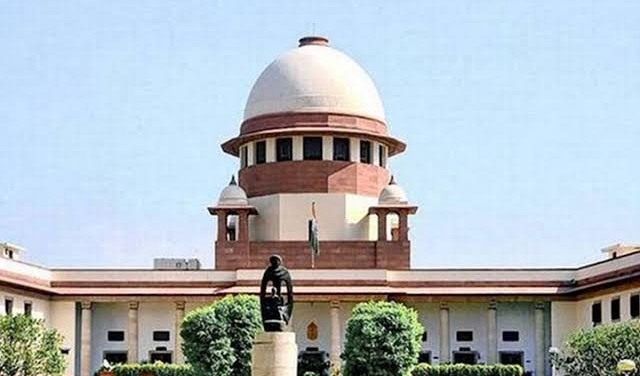
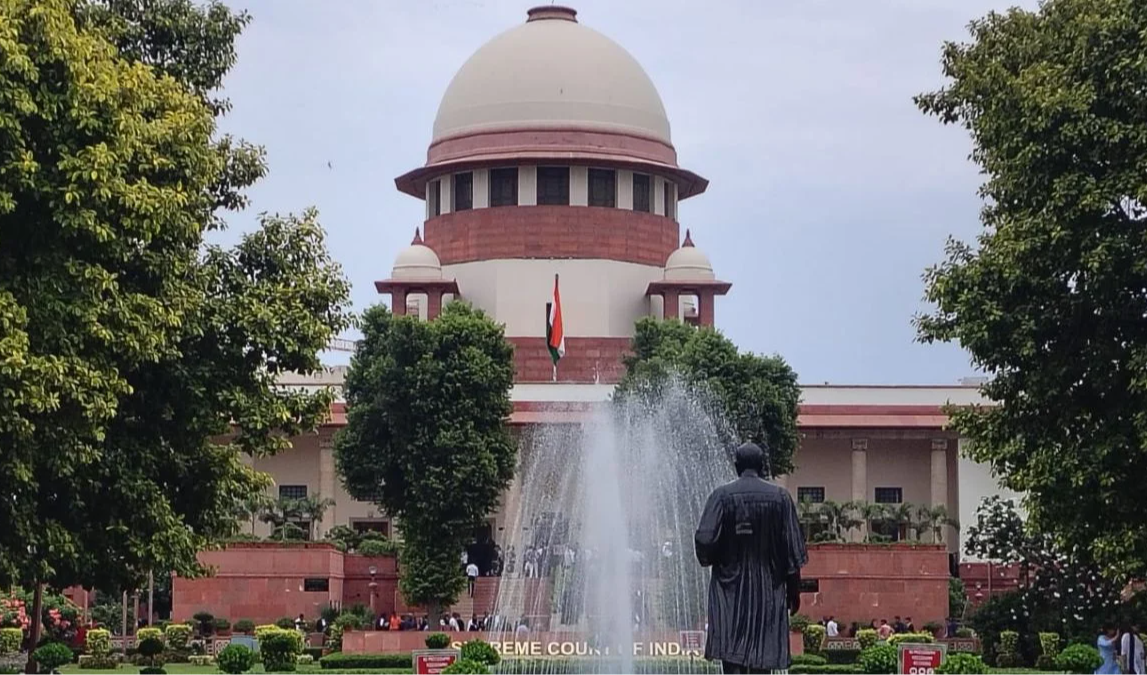
The Supreme Court of India on Wednesday declined to initiate suo motu contempt proceedings over the failure to light the traditional Karthigai Deepam lamp at the disputed Deepathoon on Thiruparankundram Hill in Tamil Nadu, asking the parties concerned to file a formal contempt petition if they wished to pursue allegations of non-compliance with its earlier directions.
A Bench comprising Justice Aravind Kumar and Justice Vipul Pancholi heard the matter after Madurai District Collector appeared through Senior Advocate Gopal Sankaranarayanan and informed the court that the ceremonial lamp had not been lit at the Deepathoon on November 24, despite the Supreme Court's previous order permitting the ritual at the disputed location.
The development has brought renewed attention to the ongoing dispute surrounding the traditional lamp-lighting ceremony at Thiruparankundram Hill, where questions concerning religious practices, temple administration and the implementation of judicial directions have remained contested.
The Collector's counsel also informed the Bench that a status report detailing the steps taken by the district administration had been placed before the court. However, the petitioners seeking implementation of the lamp-lighting order alleged that the authorities had deliberately avoided complying with the Supreme Court's directions.
After hearing the submissions, the Bench declined the request to initiate contempt proceedings on its own motion. Justice Aravind Kumar directed the concerned parties to approach the court through the appropriate legal procedure.
"No suo motu; file the necessary petition, we will issue appropriate orders if required. File it, then we will see," Justice Kumar observed.
Senior Advocate Guru Krishnakumar, appearing for the parties who had sought permission to light the lamp at the Deepathoon, subsequently indicated that his clients would file a contempt petition.
District Collector Informs Supreme Court About Failure to Light Lamp
The matter was mentioned before the Supreme Court by Senior Advocate Gopal Sankaranarayanan, representing the Madurai District Collector.
The counsel informed the Bench that the ceremonial lamp had not been lit at the Deepathoon, despite the directions issued by the Supreme Court in its previous hearing.
According to Sankaranarayanan, the Collector had taken steps to comply with the court's directions and had prepared a report explaining the action taken by the district administration.
The senior counsel requested the Bench to consider the status report, explaining that the Collector had only recently received the relevant file and wanted to bring the developments to the court's attention.
The counsel stated that the Collector considered it appropriate to inform the Supreme Court about the failure of the ceremony rather than wait for the opposing parties to raise the issue.
He submitted that the administration anticipated that the petitioners would bring the non-compliance to the court's notice and therefore decided that the Collector should place the facts before the Bench himself.
Responding to the submission, Justice Aravind Kumar pointed out that, under the Supreme Court's earlier order, the Collector was required to submit a status report three days after the ceremony.
The court's observation indicated that the reporting requirement had to be understood in accordance with the timeline specified in its previous directions.
Sankaranarayanan, however, maintained that it was preferable for the district administration to disclose the developments voluntarily rather than allow the issue to be raised first by the other side.
Petitioners Allege Deliberate Disobedience of Supreme Court Order
Senior Advocate Guru Krishnakumar strongly objected to the failure to light the lamp at the disputed Deepathoon.
Representing the parties who had approached the court seeking permission for the ceremony, Krishnakumar questioned the circumstances in which the Collector's submission had been made.
He described the district administration's appearance before the Bench as an attempt at an anticipatory mention concerning the alleged breach of the Supreme Court's directions.
The senior advocate termed the failure to conduct the ceremony at the specified location as unfortunate and alleged that the authorities had deliberately avoided implementing the judicial order.
According to Krishnakumar, a statement had been issued in the name of the temple's Board of Trustees suggesting that the lamp should instead be lit at the Ucchipillaiyar Temple.
The stated reason, as presented by the counsel, was that established temple customs did not permit the performance of the ceremony at the Deepathoon.
However, Krishnakumar alleged that the temple's Sthanikars later denied having issued such a statement.
He argued that the developments raised serious questions about the manner in which the Supreme Court's directions had been implemented.
The counsel further submitted that the authorities had repeatedly assured the Madras High Court that they would comply with the Supreme Court's order but ultimately failed to conduct the lamp-lighting ceremony at the disputed location.
In his submission, the failure amounted to deliberate non-compliance and undermined the authority of the judicial directions.
Krishnakumar also urged the court to ensure that the ceremonial flame, which continued to burn at the Ucchipillaiyar Mandapam, was taken to the Deepathoon so that the earlier judicial order could be implemented.
He argued that compliance with the Supreme Court's directions was necessary to uphold the rule of law.
These submissions represented the petitioners' allegations and contentions before the Bench. The Supreme Court did not record a finding of contempt during Wednesday's proceedings.
Supreme Court Refuses Request for Suo Motu Contempt Proceedings
During the hearing, another counsel appearing in the matter requested the Supreme Court to initiate contempt proceedings on its own motion.
The request was based on the allegation that the authorities had wilfully and deliberately disobeyed the court's earlier directions concerning the lamp-lighting ceremony.
The petitioners' side argued that the failure to light the lamp at the Deepathoon was not merely an administrative lapse but a deliberate refusal to implement the judicial order.
However, the Bench declined to initiate suo motu contempt proceedings at that stage.
Justice Aravind Kumar made it clear that the parties alleging non-compliance would have to approach the court through a formal contempt petition.
The judge indicated that the Supreme Court would examine the matter and pass appropriate orders, if necessary, after the petition was filed.
The direction leaves the question of alleged contempt open for consideration through the prescribed legal process.
Following the court's observation, Senior Advocate Guru Krishnakumar informed the Bench that his clients would proceed with filing a contempt petition.
The development means that the allegations concerning the failure to implement the Supreme Court's earlier directions may be examined separately if a formal petition is placed before the court.
Supreme Court Had Permitted Lamp Lighting at Deepathoon on November 24
The latest proceedings arise from the Supreme Court's earlier order concerning the Karthigai Deepam ceremony at Thiruparankundram Hill.
Last week, the Bench comprising Justice Aravind Kumar and Justice Vipul Pancholi had passed an order permitting the ceremonial lamp to be lit at the disputed Deepathoon on November 24.
The order became significant because the location had been at the centre of a dispute involving the religious ceremony and the position taken by the temple authorities and the district administration.
The petitioners had sought judicial intervention to ensure that the traditional lamp-lighting ceremony could take place at the Deepathoon.
The Supreme Court's order permitting the ceremony was followed by developments concerning its implementation on the scheduled date.
According to the submissions made before the Bench on November 25, the lamp was not lit at the location specified in the order.
The district administration subsequently informed the court about the development, while the petitioners accused the authorities of failing to honour the judicial directions.
The Supreme Court has not, in the proceedings reported on Wednesday, determined whether the failure constituted wilful disobedience. That question may arise for consideration if a contempt petition is formally filed.
Madras High Court Had Criticised Prohibitory Orders
The dispute had also been brought before the Madras High Court, which examined the steps taken by the Tamil Nadu authorities in connection with the ceremony.
On November 24, the High Court criticised the State government over the issuance of prohibitory orders in the area.
The court also directed the concerned authorities, including the District Collector, Commissioner and temple officials, to implement the Supreme Court's directions.
The High Court's observations came amid the continuing disagreement over the arrangements for the lamp-lighting ceremony and the administration's response to the Supreme Court's earlier order.
The issuance of prohibitory orders had become another point of contention in the proceedings, particularly in the context of ensuring that the Supreme Court's directions were implemented.
The latest developments before the Supreme Court have therefore brought the conduct of the district administration and the temple authorities under renewed judicial scrutiny.
Formal Contempt Petition May Determine Next Legal Steps
With the Supreme Court declining to initiate contempt proceedings suo motu, the immediate legal development now depends on the formal petition proposed by the parties seeking implementation of the lamp-lighting order.
If filed, the contempt petition would provide an opportunity for the court to examine the allegations of non-compliance and consider the explanations and records placed by the concerned authorities.
The district administration has already indicated that it has prepared a status report detailing the steps taken in connection with the Supreme Court's directions.
On the other hand, the petitioners have alleged that the authorities failed to implement the order despite assurances given before the Madras High Court.
The competing submissions are likely to remain central to any further judicial examination of the dispute.
For now, the Supreme Court has not initiated contempt proceedings or reached a final conclusion on the allegations raised by the petitioners.
Its Wednesday order instead directs the concerned parties to follow the prescribed legal procedure by filing a formal contempt petition.
The Thiruparankundram Deepam dispute thus continues to involve questions surrounding the implementation of judicial orders, the role of temple authorities and the responsibilities of the district administration in carrying out directions issued by constitutional courts.