Yugcharan News / 19-11-2026
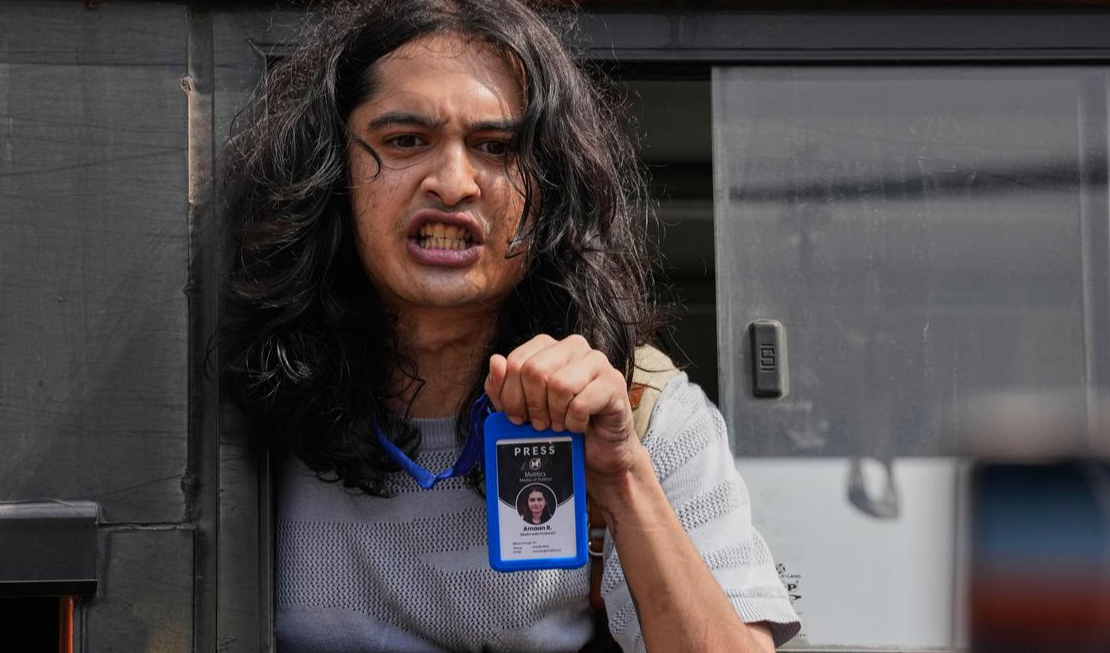
Independent journalists who covered the protests against Chief Election Commissioner Gyanesh Kumar in Delhi have strongly criticised the Delhi Police’s distinction between accredited journalists and social media content creators, arguing that reporting cannot be judged by the platform on which it is published. Their response follows an affidavit filed by the Delhi Police Commissioner before the Supreme Court, in which the force maintained that individuals making social media content, reels and videos cannot automatically be treated as bona fide journalists entitled to the protections extended to accredited media professionals.
The controversy has brought renewed attention to the changing nature of journalism in India, particularly the growing role of independent digital reporters who document protests, police action and public events through platforms such as Instagram and YouTube. Reporters who spoke to The Hindu said that describing them as “reel-makers” overlooks the journalistic work involved in gathering information, recording events, verifying facts and presenting ground-level accounts to the public.
The Delhi Police affidavit was submitted in response to petitions alleging that journalists covering protests against Chief Election Commissioner Gyanesh Kumar had been manhandled, harassed and detained by police personnel. The protests took place in October, with several independent reporters claiming that they faced difficulties while documenting police action.
The police defended its conduct by stating that the presence of YouTube reel-makers, social media influencers and other individuals carrying cameras and microphones at protest locations had made it difficult for personnel to distinguish journalists from protesters. According to the affidavit, this confusion resulted in the inadvertent removal of journalists during crowd-control operations.
The police also maintained that its guidelines applied to mediapersons carrying proper identity cards. However, independent journalists have questioned the reliance on institutional credentials, arguing that many reporters working outside established newsrooms do not have access to conventional press accreditation despite regularly producing journalistic content.
Independent reporters question distinction between journalism and content creation
Several independent journalists said the nature of journalism should be determined by the work being performed rather than the format used to communicate information. They argued that digital platforms have become important channels for news consumption, particularly among audiences seeking regional-language reporting and direct accounts from the ground.
Bindu Gujjar, an independent journalist from Delhi who covers caste and gender-related issues, said independent journalism developed partly because of the gap between events taking place on the ground and the coverage being published by larger media organisations.
She said independent reporters had spent years trying to establish recognition for their work and had frequently operated outside the traditional media ecosystem. According to her, their continued presence at protest sites enabled them to record developments and make footage available to the public.
Gujjar argued that the growing popularity of short-form videos should not be interpreted as a decline in journalistic standards. She pointed out that established media organisations also use digital platforms and short videos to reach audiences, while independent journalists have adopted similar formats to distribute their reporting.
She said Instagram, which initially gained popularity as an entertainment platform, has increasingly become a space where people access news and information. In her view, a three-minute video can serve as a journalistic report when it is based on reporting and documentation.
Gujjar also expressed concern that using terms such as “reel-makers” or “reelbaaz” to describe independent journalists could undermine the profession and discourage reporters working outside mainstream organisations.
Her own experience, she said, reflected some of the difficulties faced by independent digital journalists. Her Instagram account, ‘samachar_bybindu’, which had more than 30,000 followers, was suspended in July 2026. She subsequently had to establish a new account.
Regional-language journalists highlight growing digital audiences
Abhay Mandhare, a 24-year-old independent journalist based in Delhi, reports in Marathi through his Instagram page, ‘Marathi Abhay’. He said independent digital platforms had created opportunities for audiences to access perspectives that were not always available through conventional television and print outlets.
Mandhare said his account had around 5,000 followers before July 2026. After he began publishing more ground reports, its following increased to approximately 13,000. He also said his videos were reaching between three million and four million views each month.
According to Mandhare, digital journalism has particularly helped audiences who previously had limited access to regional-language reporting about developments in the national capital.
He said people seeking news about Delhi in Marathi had earlier depended on a limited number of television channels. Independent reporters have expanded those choices by publishing ground reports and accounts in regional languages.
Mandhare, who graduated from the Indian Institute of Mass Communication, also linked the growth of independent journalism to the shortage of employment opportunities in established media organisations.
He argued that the number of journalism graduates entering the profession was significantly higher than the opportunities available in conventional newsrooms. As a result, many young reporters were turning towards independent channels and social media platforms to pursue their work.
Rather than questioning their legitimacy, he said, the authorities should recognise the changing employment and distribution patterns within the media industry.
Mandhare maintained that the fundamental responsibilities of journalists remained the same regardless of whether they worked for a newspaper, television channel or independent digital platform. These responsibilities include documenting events, collecting information, verifying facts and communicating developments to the public.
Press accreditation remains a concern for young reporters
Harsh Mamnani, who publishes reports through his Instagram page ‘Kahaniistaan’, questioned the use of organisational press cards as the primary measure of journalistic legitimacy.
He pointed to the eligibility requirements for Press Information Bureau accreditation, stating that freelancers need 15 years of full-time journalistic experience to qualify. According to him, this creates difficulties for younger independent reporters who do not work for established newsrooms and cannot obtain conventional institutional credentials.
Mamnani questioned how independent reporters were expected to establish their professional identity if they were not associated with a newsroom and did not possess a PIB card.
He also said independent journalists frequently remain at protest locations for extended periods and produce original footage and documentation that can subsequently be used by mainstream newsrooms and researchers.
In his view, independent and institutional journalism should be treated as complementary rather than competing forms of reporting.
Mamnani said he and several of his colleagues had faced harassment and threats from police personnel while covering the October protests. He added that independent reporters often lacked access to the legal support and institutional backing available to journalists employed by established media organisations.
He also raised concerns about the constitutional implications of police action against people documenting public events. Referring to Article 19 of the Constitution, he questioned whether describing someone as a content creator rather than a journalist could justify harassment or detention when that person was exercising the right to free expression.
Reporters say police should not determine journalistic credentials
Sabah Gurmat, an independent journalist based in Delhi who previously worked with a digital media organisation, said the police should not decide whether someone qualifies as a journalist solely on the basis of the format in which their work is published.
Gurmat said she had been covering the protests from October 2 and had narrowly avoided detention. She recalled that police personnel repeatedly questioned the credentials of independent reporters and told her that they did not consider her a journalist.
She argued that the use of social media reels does not automatically make reporting non-journalistic. In her view, the distinction should depend on the nature and purpose of the work rather than the platform through which it reaches audiences.
Kadambini Sharma, another independent journalist who has previously worked with several media organisations, described the police's argument as an inadequate way of addressing the difficulty of identifying journalists at crowded protest sites.
Sharma acknowledged that people creating entertainment content and journalists reporting from the same location may sometimes be difficult to distinguish. However, she said that this difficulty should not result in all independent journalists being categorised as social media influencers.
She also pointed to investigative reporting by independent journalists, arguing that significant stories in recent years had emerged from reporters working outside traditional media institutions.
According to Sharma, labelling such work as reel-making diminishes the seriousness of reporting and risks making independent journalists appear less deserving of protection.
She suggested that if the police genuinely faced difficulties identifying journalists during protests, the authorities should consider developing a clearer mechanism rather than dismissing an entire category of reporters.
Changing media landscape complicates traditional definitions
Smita Sharma, who operates Instagram and YouTube channels under the name ‘Smita Sharma Journalist’, said there was no single definition of a journalist that could adequately reflect the present media environment.
She pointed out that several people described as content creators were producing investigative reports and covering important public-interest issues. At the same time, experienced journalists who had previously worked in traditional newsrooms were moving to digital platforms to tell stories that they believed required greater flexibility.
Sharma said the authority to determine who qualifies as a journalist during important public events should not rest with the police. She expressed concern that giving law enforcement agencies such discretion could potentially be misused and lead to further restrictions on media activity.
She also suggested that media organisations and digital creators could explore self-regulatory mechanisms to address concerns about sensationalism and irresponsible content. However, she maintained that such responsibility should not be transferred to the police.
The debate reflects a wider transformation in India's media industry, where journalism is increasingly distributed through websites, social media accounts, independent video channels and regional-language platforms. While institutional accreditation remains an established method of identifying journalists, a growing number of reporters work independently or through digital-first organisations.
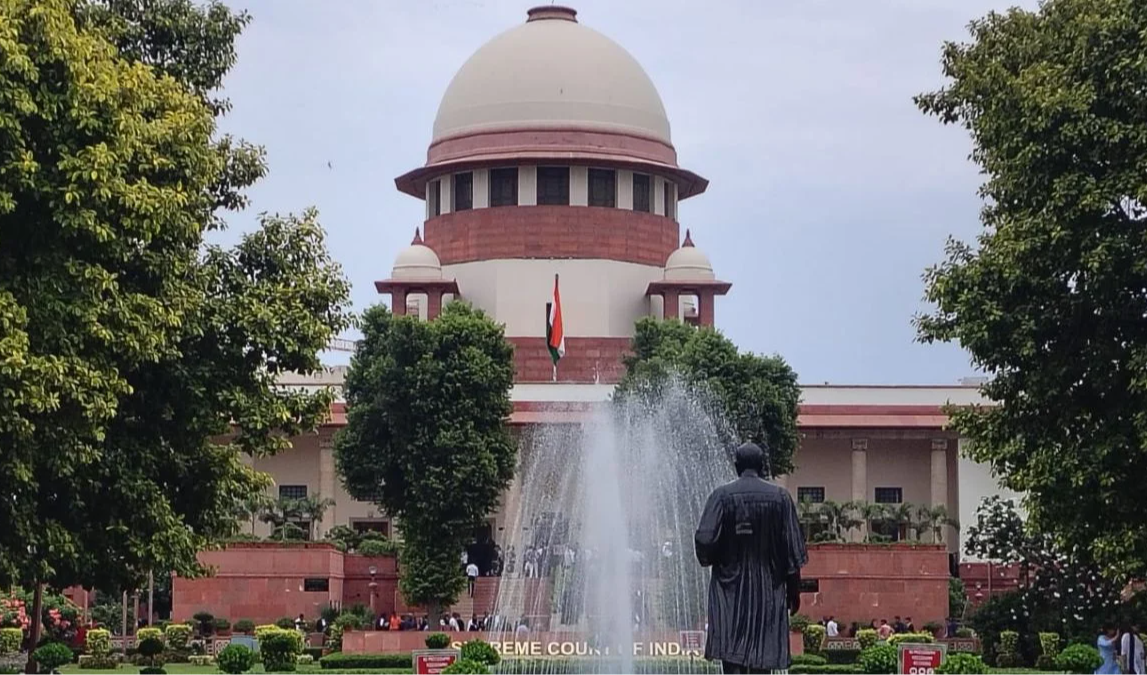
Supreme Court petitions raise questions over journalists’ safety
The dispute has emerged amid legal proceedings concerning the treatment of journalists during the October protests against Chief Election Commissioner Gyanesh Kumar. The petitions before the Supreme Court allege that reporters covering the demonstrations were subjected to manhandling, harassment and detention.
The Delhi Police affidavit seeks to defend the force's actions by citing difficulties in distinguishing journalists from other individuals recording the protests. The police has also referred to the requirement for proper identity cards under its guidelines.
However, independent reporters have argued that the absence of institutional accreditation should not automatically disqualify someone from being recognised as a journalist or justify interference with their reporting.
The concerns are particularly significant during protests and other public events, where journalists often need to document police action, crowd-control measures and interactions between authorities and demonstrators. Independent reporters say that their footage can provide direct records of events and help audiences understand developments that may otherwise receive limited coverage.
The central issue is therefore not simply whether social media influencers and journalists should be treated as identical categories. It is whether authorities can rely primarily on institutional identity cards or the format of published content when deciding who is performing journalistic work at a public event.
The statements made by independent journalists underline the need for a distinction between entertainment-oriented content creation and reporting undertaken in the public interest. At the same time, they argue that such distinctions should be based on the nature of the activity and the evidence of journalistic work, rather than assumptions about the platform being used.
As the matter remains before the Supreme Court, the controversy has brought the question of press freedom and the safety of independent digital reporters into sharper focus. For journalists working outside established newsrooms, the outcome could have implications for their ability to cover protests, document official action and report developm