Yugcharan News / 23-11-2026
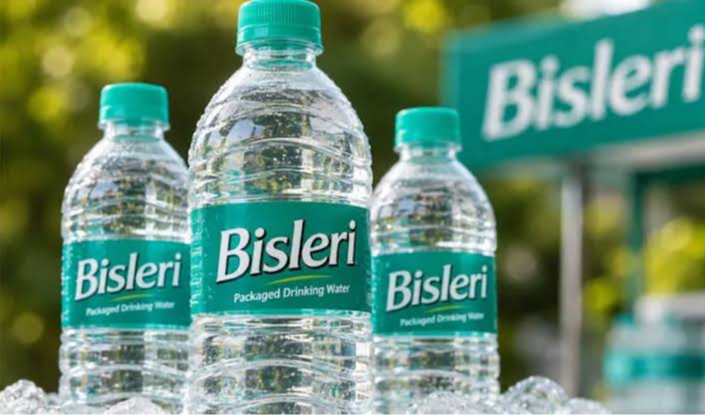
The Food Safety and Standards Authority of India (FSSAI) has sanctioned prosecution against Bisleri International Pvt. Ltd. after a regulatory examination found that a sample of the company's packaged drinking water failed to meet prescribed food safety standards and was unsafe for consumption. The development has raised fresh concerns about the quality and safety of bottled drinking water in India, with sources indicating that the food safety regulator may also examine samples from other packaged drinking water brands to assess their compliance with established standards.
According to the findings released by FSSAI, a regulatory sample collected from Bisleri's premises was found to contain bromate beyond the permissible limit. The sample was subsequently referred to a designated Referral Food Laboratory following an appeal by the company. The second laboratory also declared the sample unsafe after detecting polynuclear aromatic hydrocarbons (PAHs).
Following these findings, FSSAI concluded that violations relating to unsafe food had been established under the Food Safety and Standards Act, 2006, and granted sanction to initiate prosecution against the company.
Bisleri, however, has disputed the findings and maintained that its packaged drinking water is safe for consumption. The company has questioned the differences between the laboratory results, stating that an independent test conducted at an FSSAI-approved laboratory found the bromate level within the prescribed limit. It has also claimed that it did not receive any formal notice regarding the regulatory action.
The matter involves a sample collected in September 2025 from Bisleri's manufacturing facility in Goa and has brought the company's quality-control procedures and regulatory compliance under scrutiny.
FSSAI Finds Bromate Levels Beyond Permissible Limits
According to the regulator's observations, the initial sample was collected from the premises of Bisleri International as part of regulatory monitoring of packaged drinking water other than mineral water.
The analysis found that the sample did not comply with the prescribed bromate limits. Based on the laboratory findings, the water was classified as unsafe for consumption under the provisions of the Food Safety and Standards Act, 2006.
Bromate is a chemical compound whose presence in drinking water is subject to strict regulatory limits. Excessive exposure to bromate has been associated with potential health risks, which is why its concentration is monitored under drinking water safety standards.
The prescribed limit mentioned in Bisleri's statement is 10 micrograms per litre. The company acknowledged that one of the six samples collected from its Goa facility recorded a bromate concentration of 12 micrograms per litre during the initial testing.
This exceeded the applicable limit by 2 micrograms per litre.
However, the regulatory process did not end with the first laboratory examination. Following an appeal by Bisleri, the sample was sent to a Referral Food Laboratory for further analysis.
The referral laboratory also declared the sample unsafe, although its findings included the detection of another category of chemical compounds known as polynuclear aromatic hydrocarbons.
The laboratory findings subsequently formed the basis for FSSAI's decision to sanction prosecution against the company.
Referral Laboratory Detects Polynuclear Aromatic Hydrocarbons
A significant aspect of the case is the detection of polynuclear aromatic hydrocarbons, commonly referred to as PAHs, in the sample examined by the Referral Food Laboratory.
PAHs are a group of chemical compounds that can be produced through the incomplete combustion of organic materials. Certain compounds within this group are associated with health risks, and their presence in food and drinking water is subject to safety considerations.
According to the information released by FSSAI, the referral laboratory detected PAHs and also declared the sample unsafe for consumption.
The detection of these compounds became an additional basis for the regulator's assessment of the sample.
The company's response, however, has focused on the difference between the findings of the initial examination and subsequent laboratory testing.
Bisleri has stated that the referral laboratory found the bromate concentration within the prescribed limit but separately flagged the presence of PAHs.
The company has argued that the difference between the laboratory results requires clarification.
The available information does not provide the specific concentration of PAHs detected, the individual compounds identified or their respective levels against applicable regulatory limits.
These details would be important in understanding the complete scientific basis of the laboratory's conclusion.
Bisleri Says Six Samples Were Collected From Goa Facility
Responding to the regulatory development on November 23, Bisleri issued a statement explaining the sequence of events surrounding the sample collection and subsequent testing.
According to the company, the matter relates to a manufacturing batch produced in September 2025 at its Goa facility.
Bisleri stated that FSSAI collected six samples from the facility on September 30, 2025.
The company claimed that five of the six samples complied with all applicable standards, while the sixth recorded a bromate concentration of 12 micrograms per litre against the prescribed limit of 10 micrograms per litre.
Following the initial findings, Bisleri submitted an appeal to the regulator on November 22, 2025.
The sample was subsequently referred to a Referral Food Laboratory for further examination.
According to the company, the referral laboratory found the bromate level to be within the prescribed limit but separately detected PAHs.
Bisleri has maintained that this difference between the laboratory findings raised questions that required further examination and clarification.
The company also highlighted that the case concerns a specific batch manufactured at one of its facilities rather than its entire production network.
It stated that the Goa facility was one among 143 manufacturing plants in its network.
Independent Laboratory Testing Raises Further Questions
After receiving the referral laboratory's findings, Bisleri said it arranged for the same sample to be examined independently at an FSSAI-approved laboratory.
According to the company, the independent laboratory also found the bromate concentration to be within the prescribed limit.
Bisleri stated that it subsequently submitted the independent laboratory results to FSSAI's Western Regional Office.
The submission was accompanied by a formal letter dated February 2, 2026.
The company claimed that it did not receive any further communication from the regulator after submitting these documents.
Bisleri said it understood that the matter had been closed following the submission of the independent test results.
The company has also maintained that it did not receive any notice relating to the prosecution sanction, either through email or in physical form.
It further claimed that it was unable to locate the reported notice on FSSAI's official website.
These statements represent the company's position on the matter. The available information does not independently establish whether the regulator formally communicated the subsequent proceedings to Bisleri or whether the company was officially informed about the sanction.
The disagreement highlights the importance of transparency in laboratory testing, regulatory communication and the procedures followed when food safety violations are identified.
Bisleri Maintains Its Water Is Safe for Consumption
Despite the regulatory action, Bisleri has strongly defended its product quality and maintained that its packaged drinking water is safe for consumers.
The company said it follows a comprehensive quality-control system involving more than 90 tests across its 10-step manufacturing process.
According to Bisleri, these procedures are intended to ensure that its products meet the required quality and safety standards before reaching consumers.
The company also stated that it would continue cooperating with FSSAI and address the matter through the appropriate regulatory process.
Its response has emphasised that the case relates to a particular batch manufactured in September 2025 and should not be treated as a reflection of the quality of all products manufactured across its facilities.
However, FSSAI's decision to sanction prosecution indicates that the regulator considers the laboratory findings sufficient to initiate legal proceedings under the relevant food safety legislation.
The company's position and the regulator's findings will therefore need to be assessed through the appropriate legal and regulatory process.
Importantly, the sanction to initiate prosecution should not be confused with a final judicial determination of the company's liability.
What Does Prosecution Under the Food Safety and Standards Act Mean?
The Food Safety and Standards Act, 2006, provides the legal framework for regulating food safety and quality in India.
FSSAI is responsible for establishing food safety standards and overseeing their implementation through the relevant regulatory authorities.
When a food product is found to violate applicable safety requirements, the regulator can initiate action under the provisions of the law.
The sanction granted against Bisleri represents an important step towards initiating prosecution based on the laboratory findings.
The legal proceedings will provide an opportunity for the relevant evidence, laboratory reports and the company's response to be considered under the applicable legal framework.
The outcome will depend on the findings and proceedings before the competent authorities or court.
At this stage, the available information does not establish that a court has convicted Bisleri or issued a final ruling against the company.
The distinction is important because regulatory action and a final judicial finding are separate stages of the legal process.
FSSAI May Examine Samples of Other Packaged Drinking Water Brands
The development could have wider implications for India's packaged drinking water industry.
Sources cited in the report indicate that FSSAI is also expected to test samples of other packaged drinking water brands to examine whether they comply with the prescribed safety standards.
If undertaken, such testing could bring greater regulatory scrutiny to an industry that supplies drinking water to millions of consumers across the country.
Packaged drinking water is widely consumed in homes, offices, restaurants, hotels, educational institutions and public spaces. Consumers often depend on bottled water because of concerns about the availability and quality of drinking water from other sources.
Consequently, maintaining strict quality-control standards is essential for protecting public health and ensuring confidence in packaged drinking water products.
Testing multiple brands would also help regulators identify whether any compliance concerns are limited to individual manufacturing facilities or indicate broader quality-control issues within the industry.
However, the available information does not identify which other companies may be examined or provide a timeline for any proposed testing exercise.
No violations have been established against other packaged drinking water manufacturers through the information currently available in this case.
Public Health Concerns Put Packaged Drinking Water Quality Under Spotlight
The case has renewed attention on the importance of independent laboratory testing and effective quality monitoring in India's packaged drinking water market.
Consumers generally expect bottled drinking water to meet prescribed safety requirements because it is marketed as a controlled and quality-tested product.
Chemical contamination, if present beyond applicable limits, can create potential health concerns depending on the substance, concentration and level of exposure.
The bromate findings and the detection of PAHs in the Bisleri sample have therefore raised questions that require a clear scientific and regulatory assessment.
For consumers, the development also highlights the importance of maintaining effective food safety oversight and ensuring that companies comply with established manufacturing standards.
At the same time, the differences highlighted by Bisleri between the laboratory findings underline the need for transparent testing procedures and proper examination of scientific evidence.
Regulatory Proceedings Could Have Wider Industry Implications
The prosecution sanction against Bisleri is significant because it involves one of India's most recognised packaged drinking water brands.
The case could become an important regulatory test for the industry, particularly if FSSAI proceeds with broader sampling and inspections of competing manufacturers.
For Bisleri, the immediate challenge will be to address the regulator's findings and present its position through the appropriate legal channels.
For FSSAI, the matter highlights the importance of ensuring that food safety standards are consistently enforced and that laboratory findings are supported by transparent procedures.
The eventual outcome may also influence how packaged drinking water manufacturers approach testing, documentation and quality assurance.
With the company disputing the findings and the regulator moving towards prosecution, the matter remains unresolved.
The central issue is whether the laboratory findings establish a violation under the applicable food safety provisions and how the company responds to the allegations during the regulatory and legal process.