Search

    Language Settings
    Select Website Language

    GDPR Compliance

    We use cookies to ensure you get the best experience on our website. By continuing to use our site, you accept our use of cookies, Privacy Policy, and Terms of Service.

    India’s Outbound Travel Industry Faces Uncertainty After PM’s Appeal to Reduce Foreign Trips

    5 hours ago

    Yugcharan News / 13 May 2026

    India’s travel and tourism sector is witnessing growing uncertainty after Prime Minister Narendra Modi urged citizens to avoid non-essential foreign travel amid concerns over rising import costs and global fuel market instability. Industry representatives and market analysts believe the remarks could temporarily affect outbound tourism demand during one of the busiest international travel periods of the year.

    The appeal comes at a time when the Indian travel sector is already dealing with mounting pressure from inflation, rising aviation fuel prices, and increased travel expenses across major international destinations. According to several travel operators and industry associations, inquiries for overseas summer vacations have reportedly declined between 10% and 15% compared to earlier projections for the season.

    Summer Holiday Season Faces Slowdown

    The April-to-June period is traditionally considered one of the strongest quarters for outbound tourism from India. Families often plan vacations during school holidays, with destinations across Europe, Southeast Asia, Australia, and the Middle East witnessing a sharp rise in Indian visitors every year.

    However, travel operators now say consumer sentiment appears more cautious than usual. Industry experts believe that a combination of economic concerns and recent public appeals to reduce unnecessary spending on imports may encourage some families to delay international vacations.

    Officials from multiple travel associations stated that many travellers are reconsidering high-cost overseas trips due to increasing airfare prices and overall uncertainty surrounding fuel-linked inflation.

    According to people familiar with the sector, rising operational costs have already impacted international tour packages in recent months. Airline companies have reportedly revised fuel surcharges upward, while accommodation and transportation costs abroad have also increased significantly.

    Impact of Rising Global Oil Prices

    The current situation has also been linked to turbulence in global energy markets. International crude oil prices have remained elevated after disruptions in major shipping and energy supply routes reportedly affected global oil and liquefied natural gas movement.

    Economists say higher oil prices often create a chain reaction across multiple industries, including aviation and tourism. Increased fuel expenses generally translate into more expensive flight tickets, higher logistics costs, and reduced discretionary consumer spending.

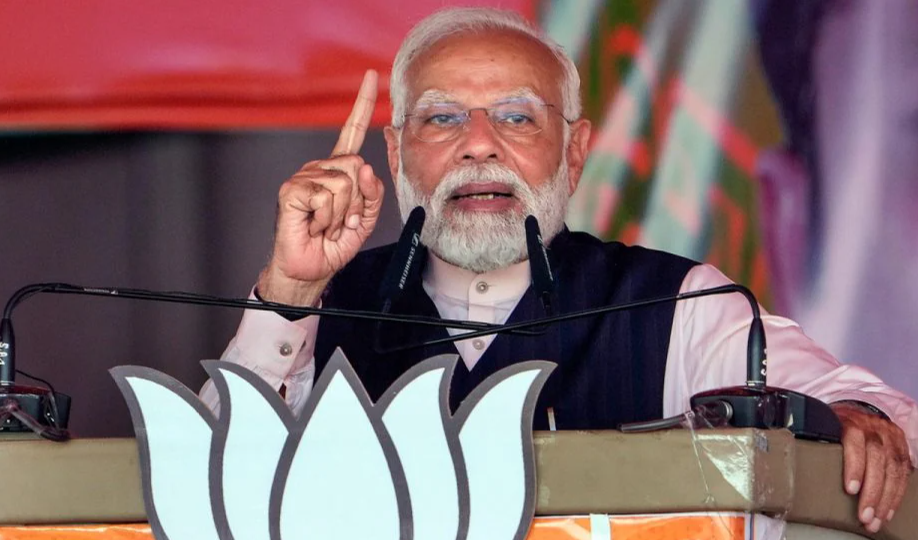
    During a recent public address, Prime Minister Modi reportedly encouraged citizens to reduce fuel consumption and avoid unnecessary expenditure on imported luxury items for a limited period. Analysts believe the message was intended to support economic stability and reduce pressure on India’s import bill during ongoing geopolitical tensions affecting energy supplies.

    Although the statement was not introduced as an official restriction or policy measure, market observers say such remarks from the country’s leadership can influence public behavior, especially among middle-class and upper-middle-class households.

    Travel and Aviation Stocks React

    The broader financial market also reacted to concerns regarding reduced outbound travel demand. Shares of several companies linked to the tourism and aviation ecosystem reportedly witnessed selling pressure earlier this week.

    Market analysts stated that investors may be anticipating slower growth in international travel bookings if consumer spending weakens in the coming months. Companies involved in airline operations, online travel aggregation, and vacation planning could face short-term volatility as the industry adjusts to changing market conditions.

    However, financial experts clarified that the situation should not be viewed as a long-term structural decline in India’s travel sector. Instead, they described the current phase as a temporary adjustment influenced by fuel prices and broader economic sentiment.

    Several analysts noted that if international crude oil prices stabilize in the coming months, outbound tourism demand could recover gradually.

    Domestic Tourism May Receive Fresh Push

    While international travel operators are expressing caution, the latest developments may create opportunities for India’s domestic tourism sector.

    Industry bodies believe that destinations within the country could witness stronger demand if travellers decide to replace expensive foreign vacations with local alternatives. Hill stations, beach destinations, religious tourism circuits, wildlife parks, and luxury domestic resorts may benefit from this shift.

    Travel agencies are also expected to focus more aggressively on promoting domestic holiday packages over the next few months.

    However, some travel professionals pointed out that domestic tourism often generates lower profit margins for tour operators compared to international travel packages. As a result, agencies may need to increase booking volumes significantly to compensate for slower outbound business.

    Experts also emphasized the need for better infrastructure, improved connectivity, and stronger tourism marketing campaigns to support sustainable growth in the domestic travel segment.

    Industry Calls for Boost in Inbound Tourism

    Alongside domestic tourism promotion, several tourism stakeholders are urging authorities to focus on increasing inbound tourism to India.

    According to sector representatives, attracting more international visitors could help balance foreign exchange outflows caused by outbound travel. Tourism experts say India continues to have strong potential as a global destination due to its cultural diversity, heritage sites, spiritual tourism, wellness retreats, and natural landscapes.

    Industry insiders believe that targeted international campaigns, simplified visa procedures, and improved tourism infrastructure could help position India as a more competitive destination in the global travel market.

    Some experts also highlighted the growing importance of digital travel influencers and social media trends in shaping international tourism patterns. They suggested that strategic promotional campaigns could significantly boost inbound arrivals over the next decade.

    India’s Travel Sector Continues Long-Term Growth

    Despite current concerns, the long-term outlook for India’s tourism industry remains positive, according to several market studies and industry reports.

    India’s tourism economy has expanded rapidly over the past decade due to rising disposable incomes, easier access to international visas, digital booking platforms, and a growing middle-class population interested in global travel experiences.

    Recent industry estimates suggest that India’s tourism sector contributes substantially to employment generation and economic activity across hospitality, aviation, transportation, and retail industries.

    Analysts expect outbound travel demand from India to continue growing over the next several years, supported by demographic trends and increasing international connectivity. Research firms have previously projected India to become one of the world’s leading outbound travel markets before the end of the decade.

    Travel companies also remain optimistic about long-term recovery despite temporary pressure linked to inflation and fuel costs.

    Experts See Temporary Impact Rather Than Structural Change

    Economic observers believe the current slowdown in travel sentiment may remain limited to the short and medium term rather than developing into a prolonged downturn.

    According to market experts, Indian consumers have shown strong appetite for leisure travel in recent years, particularly after the recovery of the global tourism sector. Many analysts believe that pent-up travel demand and improving international connectivity could eventually restore momentum once fuel prices and inflationary pressures ease.

    Some industry leaders also clarified that the Prime Minister’s remarks were advisory in nature and should not be interpreted as regulatory restrictions on overseas travel.

    At the same time, they acknowledged that public appeals from national leadership often carry significant influence, particularly during periods of economic uncertainty.

    Travel planners are now closely monitoring booking trends for the remainder of the summer season to assess the extent of the slowdown.

    Outlook for the Coming Months

    The coming quarter is expected to play a crucial role in determining how India’s tourism sector adapts to evolving economic conditions. If global oil prices remain elevated, travel costs may continue to rise, potentially affecting international tourism demand further.

    On the other hand, easing geopolitical tensions and stabilization in energy markets could support a gradual recovery in outbound travel sentiment.

    Industry observers say the sector’s resilience will depend largely on how companies balance pricing, consumer confidence, and destination offerings in a rapidly changing economic environment.


    For now, travel agencies, airlines, and tourism operators are preparing for a cautious summer season while hoping that demand remains stable enough to avoid major disruptions in one of the country’s fastest-growing service industries.

    Click here to Read More
    Previous Article
    NEET-UG 2026 Cancelled After Alleged Paper Leak; Multi-State Probe Intensifies
    Next Article
    Centre Clarifies No Mandatory Work-From-Home or Import Restrictions After PM’s Austerity Appeal

    Related National Updates:

    Are you sure? You want to delete this comment..! Remove Cancel

    Comments (0)

      Leave a comment