Yugcharan News / 13 March 2026
India’s Parliament witnessed a day of intense political exchanges and legislative activity during the ongoing Budget Session on Friday, as the Lok Sabha passed the Supplementary Demands for Grants and the Appropriation Bill for the financial year 2025–26. The developments came amid repeated disruptions caused by opposition protests and sharp exchanges between government and opposition leaders.
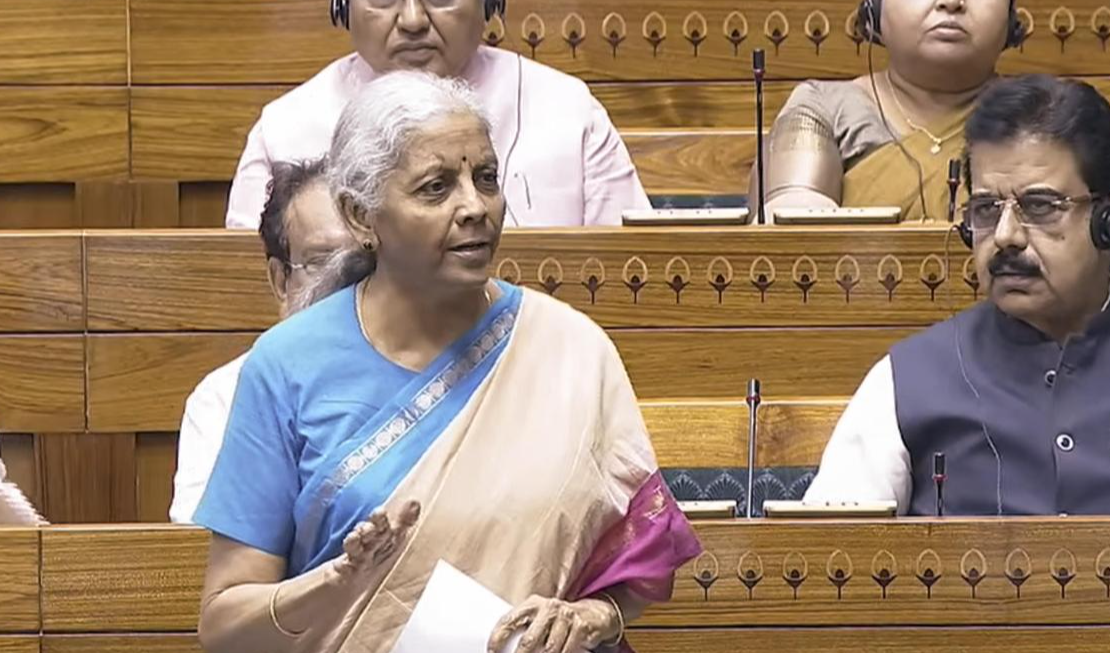
Finance Minister Nirmala Sitharaman outlined the government’s financial strategy during the debate and announced the creation of a proposed Economic Stabilisation Fund valued at ₹1 lakh crore. According to the minister, the fund is intended to provide the government with greater fiscal flexibility in responding to global economic uncertainties and unforeseen crises.
Supplementary Grants Cleared After Debate
The Lok Sabha approved the Supplementary Demands for Grants through a voice vote following discussions and interruptions. The proposals involve additional expenditure of approximately ₹2.81 lakh crore across multiple government departments.
Officials explained that supplementary grants are a routine parliamentary mechanism that allows the government to seek approval for expenditures beyond the allocations originally approved in the Union Budget. The finance minister emphasised that the current proposals remain within the fiscal deficit limits already outlined in the government’s budget estimates.
Addressing concerns raised by opposition members, Ms. Sitharaman stated that supplementary allocations were necessary to address emerging requirements in sectors such as fertiliser subsidies, food security programmes, and administrative needs in regions including Ladakh and Manipur. Additional allocations were also linked to defence communication infrastructure, external affairs initiatives, and welfare schemes.
The minister argued that governments must maintain fiscal flexibility in order to respond effectively to unforeseen developments. According to her, the Economic Stabilisation Fund is intended to function as a financial buffer to support policy responses in times of global economic stress, supply chain disruptions, or geopolitical crises.
Economic Stabilisation Fund Proposed
The proposed Economic Stabilisation Fund formed the central feature of the government’s fiscal announcement during the debate. Ms. Sitharaman stated that approximately ₹57,300 crore would initially be allocated to establish the fund as part of the broader supplementary expenditure framework.
Officials suggested that the fund could be used to address economic shocks, stabilise supply chains, or support emergency fiscal interventions during periods of international volatility.
While the government described the measure as a precautionary economic tool, opposition leaders expressed concerns during the debate about transparency and allocation priorities. Some opposition members argued that financial resources should instead be directed toward addressing rising living costs and other domestic concerns.
Opposition Protests Disrupt Proceedings
Throughout the day, parliamentary proceedings experienced multiple interruptions due to protests from opposition members in both Houses. Sloganeering and demands for discussions on various issues led to several adjournments of the Lok Sabha before legislative business resumed.
Om Birla repeatedly appealed to members to maintain decorum and allow the House to conduct scheduled business according to parliamentary rules.
Government ministers criticised the opposition’s conduct, stating that repeated disruptions were preventing meaningful debate. At the same time, opposition representatives argued that the protests reflected concerns over economic issues and governance matters that they believe require greater parliamentary scrutiny.
Despite the disruptions, the Lok Sabha eventually cleared the Appropriation Bill through a voice vote later in the afternoon.
Appropriation Bill Passed
The Appropriation Bill authorises the government to withdraw funds from the Consolidated Fund of India to meet the approved expenditures for the ongoing financial year.
With the passage of the bill in the Lok Sabha, the legislative process for the supplementary allocations moved forward as part of the government’s financial management for 2025–26. The bill was subsequently transmitted to the Rajya Sabha for further parliamentary procedure.
Following the approval of the financial legislation, the Lok Sabha was adjourned until the next scheduled sitting.
Political Tensions Surface in Debate
The parliamentary session also witnessed a tense exchange between government and opposition leaders during the discussion on supplementary grants.
Leader of Opposition Rahul Gandhi raised questions during the debate concerning certain political and international issues. According to parliamentary sources, remarks made during the discussion led to sharp reactions from members of the treasury benches.
The government and opposition exchanged accusations during the debate, reflecting the broader political contest that has characterised the ongoing budget session. Parliamentary officials later emphasised that discussions must remain within established procedural rules.
Observers noted that such exchanges, while politically significant, are not uncommon during high-stakes financial debates in Parliament.
Motion Submitted Regarding Election Commission Leadership
Another development that drew attention during the day involved a notice submitted by members of the opposition alliance seeking action related to the office of the Chief Election Commissioner.
According to parliamentary sources, approximately 193 members of Parliament signed the notice requesting the initiation of proceedings concerning Gyanesh Kumar.
The notice reportedly cited several concerns about administrative conduct and electoral oversight. However, officials clarified that the submission of such a notice represents the beginning of a procedural process and does not constitute any formal determination regarding the matter.
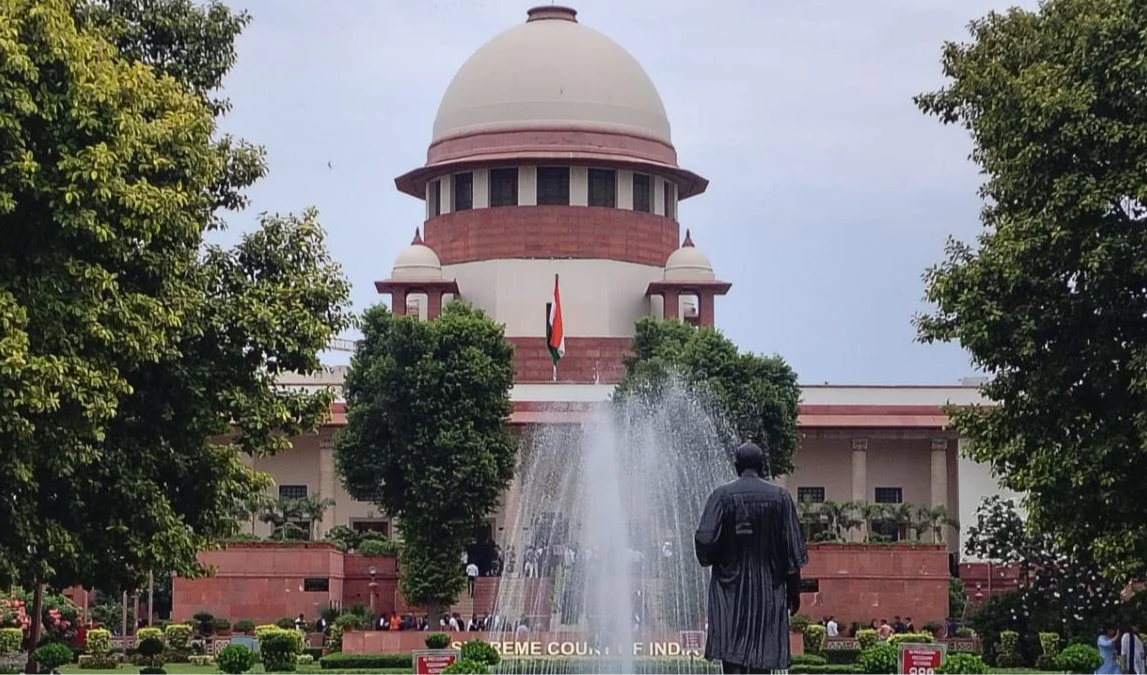
Legal experts pointed out that under Article 324(5) of the Constitution of India, the Chief Election Commissioner can be removed only through a process similar to that applicable to judges of the Supreme Court, requiring substantial parliamentary support and procedural safeguards.
Rajya Sabha Debates Policy Issues
While financial legislation dominated proceedings in the Lok Sabha, the Rajya Sabha engaged in discussions on several policy matters during Question Hour and private members’ business.
Members raised issues ranging from the state of the handloom sector and agricultural challenges to concerns regarding food safety and rural infrastructure. Some parliamentarians highlighted the need for stronger support for artisans and traditional industries, while others spoke about the importance of regulating health insurance practices and improving public healthcare services.
Discussions also touched on social concerns, including the protection of children and measures needed to support victims of abuse. Members stressed the importance of counselling services and safe reporting mechanisms for vulnerable individuals.
In addition, the Upper House considered private members’ legislative proposals related to climate-resilient agriculture and land acquisition policies.
Policy Issues Raised by Members
Several MPs used the opportunity to raise region-specific concerns affecting their constituencies. Issues such as the impact of cheap imports on traditional industries, wildlife intrusion into agricultural lands, and infrastructure development were highlighted during the discussions.
Government ministers responded to some of the questions by outlining ongoing programmes and policy initiatives aimed at addressing these challenges.
For instance, officials pointed to skill development programmes designed to modernise the textile sector and improve market competitiveness. They also emphasised government efforts to integrate technological innovation into traditional industries.
Adjournment of the Houses
After completing the day’s legislative agenda, the Lok Sabha was adjourned until the next scheduled sitting on March 16, 2026. The Rajya Sabha also concluded its proceedings for the day after addressing scheduled discussions and special mentions by members.
Parliamentary observers noted that the developments reflect the dynamic nature of India’s budget session, where financial legislation, political debate, and policy discussions often unfold simultaneously.
Broader Economic Context
The government’s announcement of the Economic Stabilisation Fund comes at a time when global economic conditions remain uncertain due to geopolitical tensions and disruptions in international supply chains.
Economists say that countries worldwide are increasingly considering contingency fiscal mechanisms to cushion the impact of external shocks. India’s proposed stabilisation fund appears to be part of a broader effort to strengthen macroeconomic resilience while maintaining fiscal discipline.
However, analysts also note that the effectiveness of such a fund will depend on transparent management, clear operational guidelines, and timely deployment during economic stress.
Looking Ahead
As the Budget Session continues, several additional debates and legislative proposals are expected to come before Parliament. Opposition parties have indicated that they will continue pressing for discussions on economic and governance issues, while the government is expected to advance its policy agenda through further legislative measures.
The coming days of the session may therefore see continued political debate alongside discussions on financial policy and governance reforms.
For now, the passage of the supplementary grants and the Appropriation Bill marks a key milestone in the government’s fiscal roadmap for the current financial year, even as broader political and economic debates continue within Parliament.