Search

    Language Settings
    Select Website Language

    GDPR Compliance

    We use cookies to ensure you get the best experience on our website. By continuing to use our site, you accept our use of cookies, Privacy Policy, and Terms of Service.

    West Asia Conflict Highlights Need for Stronger Air Defence Systems for India, Says Former IAF Chief

    2 months ago

    Yugcharan News / 13 March 2026

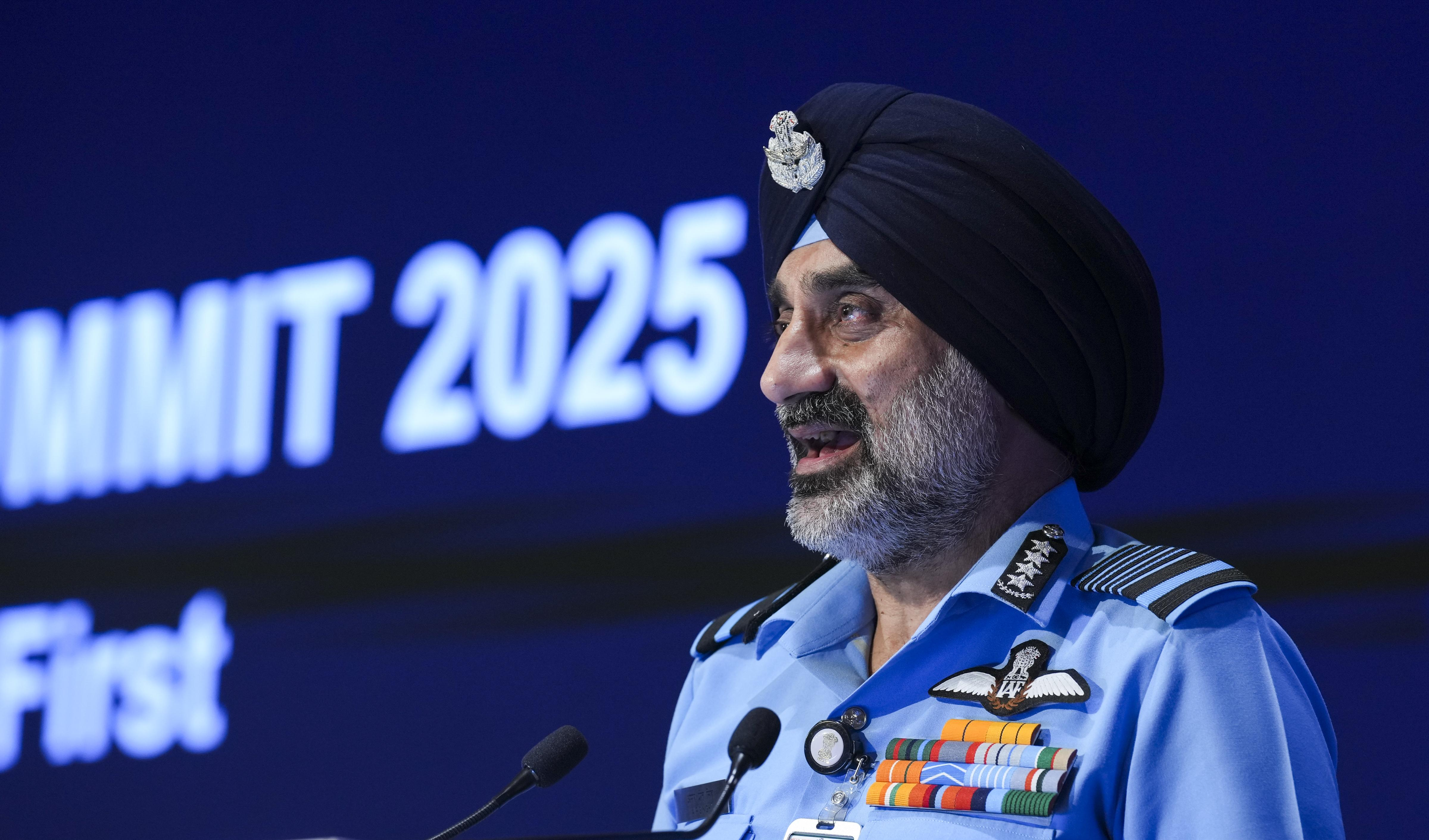
    The ongoing conflict in West Asia has sparked renewed discussion among defence experts in India regarding the country’s military preparedness, particularly in the area of air defence systems. According to former Indian Air Force chief Vivek Ram Chaudhari, one of the key lessons emerging from recent conflicts is the need for nations to strengthen their integrated air defence capabilities to counter evolving aerial threats.

    Speaking during an interaction with reporters on the sidelines of a defence conclave in New Delhi, the retired Air Chief Marshal emphasised that modern warfare is undergoing rapid transformation. He noted that countries must prepare for a future battlefield where advanced air defence networks, drones, and cyber capabilities play increasingly critical roles.

    Growing Importance of Integrated Air Defence

    Air Chief Marshal Chaudhari said that the primary takeaway for India from the current geopolitical situation in West Asia is the necessity to develop a robust and layered air defence system.

    According to him, strengthening India’s defensive infrastructure would require the expansion of weapon systems, improved radar coverage, and the integration of various technological platforms that can work together seamlessly during conflict situations.

    He explained that a modern air defence architecture should combine surveillance systems, interception capabilities, electronic warfare tools, and cyber defence mechanisms. Such a network would allow military forces to detect, track, and neutralise potential threats at multiple stages.

    “In order to strengthen India’s air defence, we need more weapon systems, more radars and greater integration of the various systems already available,” he stated during the interaction.

    Experts say that the concept of integrated air defence involves linking different sensors and weapons across the armed forces to create a coordinated response against incoming threats such as missiles, drones, and hostile aircraft.

    Lessons from Recent Global Conflicts

    The former Air Force chief referred to the ongoing war in West Asia and earlier conflicts such as the Russia-Ukraine war, where aerial technologies have played a decisive role in shaping battlefield outcomes.

    According to defence analysts, recent conflicts have demonstrated how relatively low-cost technologies like drones can significantly alter the balance of power in military engagements. Drones have been used for reconnaissance, targeted strikes, surveillance, and even electronic warfare operations.

    Chaudhari noted that unmanned aerial systems are expected to become even more prominent in future conflicts.

    “Drones are going to play a very significant role in any conflict that we can foresee in the coming years,” he said.

    However, he cautioned that military planners should avoid relying solely on drones as a solution. Instead, they should be integrated with other defence technologies as part of a broader strategy.

    Balancing Technology and Conventional Capabilities

    While highlighting the importance of drones, Chaudhari emphasised that traditional air power and conventional defence systems remain equally important.

    According to him, countries must maintain a balanced approach that includes advanced fighter aircraft, missile defence systems, electronic warfare capabilities, and space-based surveillance.

    He said that placing excessive dependence on a single type of technology could expose vulnerabilities during complex military operations.

    Defence experts point out that modern warfare is increasingly multidimensional, involving air, land, sea, cyber and space domains simultaneously. As a result, military forces must ensure coordination across all these domains.

    Role of Cyber Integration in Defence Systems

    Another critical area highlighted by the former Air Force chief was the need to incorporate cyber capabilities into defence networks.

    He explained that as defence systems become more interconnected and technology-driven, cyber security will play a crucial role in protecting military infrastructure.

    According to analysts, adversaries may attempt to disrupt radar systems, communication networks, or command centres through cyber attacks during wartime. Integrating cyber defence into air defence networks can help prevent such disruptions.

    Chaudhari said that cyber capabilities must be integrated into the broader defence ecosystem to ensure operational resilience.

    India’s Current Air Defence Framework

    India has made significant investments in strengthening its air defence systems over the past decade. These include the deployment of advanced surface-to-air missile systems, radar networks, and integrated command structures.

    The Indian Armed Forces have also been working on improving coordination among the Army, Navy and Air Force to build a more unified defence structure.

    Experts say that India’s air defence strategy focuses on a layered approach, where different systems operate at varying ranges to intercept incoming threats before they reach critical infrastructure.

    Recent defence initiatives have also focused on developing indigenous technologies under the government’s push for domestic defence manufacturing.

    Emerging Drone Warfare Challenges

    The increasing use of drones in global conflicts has raised concerns about their potential impact on national security.

    Small drones can be deployed in large numbers, making them difficult to detect and intercept using conventional air defence systems. They can also carry explosives or surveillance equipment, posing risks to military installations and civilian infrastructure.

    Defence experts believe that counter-drone technology will become a key area of investment for many countries, including India.

    These technologies include electronic jamming systems, directed energy weapons, radar detection tools, and specialised interception systems designed to neutralise unmanned aerial vehicles.

    Chaudhari suggested that developing such capabilities should be a priority for India as drone technology continues to evolve.

    Strategic Implications for India

    India’s geographic and strategic environment presents unique security challenges. The country shares long borders with several nations and faces complex security dynamics in both its western and northern regions.

    Military analysts say that strengthening air defence systems would enhance India’s ability to respond to a variety of threats, including missile strikes, drone attacks and aerial incursions.

    The West Asia conflict has highlighted how quickly regional tensions can escalate into large-scale military engagements involving multiple actors.

    As a result, defence planners in many countries are closely studying these conflicts to understand emerging trends in warfare.

    Defence Modernisation and Future Planning

    India has been steadily increasing its defence modernisation efforts in recent years, focusing on advanced technologies, indigenous manufacturing and improved operational coordination.

    The government has also encouraged collaboration between defence research organisations, private industry and start-ups to develop next-generation military technologies.

    Experts believe that artificial intelligence, autonomous systems, and cyber warfare capabilities will play a central role in future defence planning.

    Chaudhari’s comments reflect a broader consensus among military strategists that preparedness for future conflicts requires a combination of technological innovation and strategic planning.

    The Changing Nature of Warfare

    Modern warfare is evolving rapidly due to technological advances and shifting geopolitical realities. From precision-guided weapons to satellite-based intelligence, new tools are redefining how conflicts are fought.

    The growing role of unmanned systems, including drones and autonomous vehicles, is particularly significant. These technologies allow militaries to conduct surveillance and strikes without exposing personnel to direct danger.

    However, experts warn that the proliferation of such technologies also increases the complexity of defence planning.

    Countries must now prepare for hybrid threats that combine traditional military operations with cyber attacks, misinformation campaigns and economic pressure.

    Looking Ahead

    As the West Asia conflict continues to unfold, defence analysts around the world are examining its lessons for future military strategy.

    For India, strengthening air defence capabilities, integrating advanced technologies and improving coordination across military branches remain key priorities.

    The observations made by former Air Chief Marshal Chaudhari underline the importance of preparing for a rapidly changing security environment where technological innovation and strategic foresight will determine military effectiveness.

    While India has already taken significant steps toward modernising its defence infrastructure, experts believe continued investment in integrated air defence systems and emerging technologies will be essential to ensure national security in the years ahead.


    Click here to Read More
    Previous Article
    Congress Questions Government’s Silence on Khamenei’s Death While Backing Condemnation of Iran’s Military Actions
    Next Article
    Parliament Disrupted Over LPG Crisis as Opposition Protests Price Rise Amid West Asia Conflict

    Related National Updates:

    Are you sure? You want to delete this comment..! Remove Cancel

    Comments (0)

      Leave a comment