Search

    Language Settings
    Select Website Language

    GDPR Compliance

    We use cookies to ensure you get the best experience on our website. By continuing to use our site, you accept our use of cookies, Privacy Policy, and Terms of Service.

    Concerns Rise as Desalination Plants Become Potential Targets Amid Iran War

    2 months ago

    Yugcharan News / 09 March 2026

    Growing tensions in the Middle East have raised serious concerns among experts and policymakers after reports suggested that desalination plants—critical sources of drinking water in the Gulf region—may increasingly become targets in the ongoing conflict linked to Iran. Observers warn that attacks or threats against such facilities could lead to severe humanitarian and environmental consequences, particularly in countries that depend heavily on desalinated seawater for their daily water supply.

    Recent developments have highlighted the vulnerability of these facilities, prompting renewed debate about the risks of critical civilian infrastructure becoming part of the expanding conflict landscape.

    Water Infrastructure Under Growing Threat

    Desalination plants play a vital role in the Middle East, especially in Gulf countries where natural freshwater resources are extremely limited due to the region’s arid climate. These facilities convert seawater into potable water and supply millions of residents across several countries.

    However, according to recent reports and security assessments, concerns have emerged that these facilities could become strategic targets as hostilities intensify between regional rivals.

    Experts believe that disruptions to desalination infrastructure could quickly create widespread shortages of safe drinking water, potentially affecting large urban populations and essential services such as hospitals, industries, and municipal water systems.

    Security analysts note that in regions already facing environmental stress, any damage to water infrastructure could rapidly escalate into a humanitarian emergency.

    Rising Fears After Recent Incidents

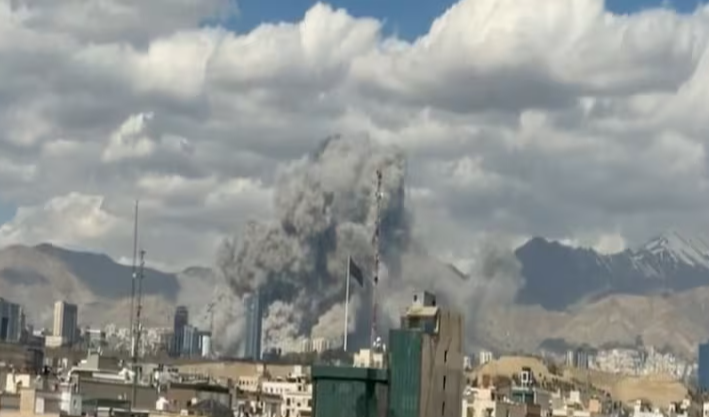
    Recent incidents in the Gulf region have intensified these concerns. Reports indicate that debris from an intercepted aerial object believed to be linked to regional hostilities struck an oil facility in Fujairah in the United Arab Emirates. Although the primary impact was on energy infrastructure, the event has drawn attention to how easily nearby civilian installations, including water treatment and desalination facilities, could be affected during military confrontations.

    While there is no confirmed large-scale damage to desalination plants in the latest incident, the proximity of such facilities to key industrial and coastal zones has alarmed infrastructure security experts.

    Authorities across the region are reportedly reviewing protective measures for vital infrastructure as tensions remain high.

    Strategic Importance of Desalination in the Gulf

    Countries in the Gulf Cooperation Council (GCC) rely heavily on desalination technology to meet their water needs. Nations such as Saudi Arabia, the United Arab Emirates, Kuwait, Bahrain, and Qatar obtain a significant portion of their drinking water through seawater desalination.

    In some cases, desalinated water accounts for more than 80 to 90 percent of the total potable water supply.

    Given this dependence, experts say even temporary disruptions to these facilities could lead to rapid shortages. Unlike oil reserves, which can sometimes be stored or rerouted, drinking water supplies often have limited backup capacity.

    This makes desalination plants particularly sensitive assets during periods of geopolitical instability.

    Historical Warnings About Water Conflicts

    For decades, researchers and international organisations have warned that water scarcity could become one of the major drivers of future conflicts. The Middle East has frequently been cited as one of the regions most vulnerable to water-related tensions due to its dry climate, growing populations, and limited freshwater sources.

    Many analysts have long suggested that control over water resources could become a strategic issue in future conflicts.

    The current situation has revived those concerns, with experts warning that if water infrastructure becomes a deliberate target, the consequences could extend far beyond military objectives.

    Humanitarian groups caution that civilian populations would bear the immediate burden if water supplies were disrupted.

    Potential Humanitarian Consequences

    Any large-scale disruption to desalination plants could quickly affect millions of residents across the Gulf region. Major cities rely on continuous desalination operations to maintain water distribution systems.

    If such facilities were forced to shut down due to damage or security risks, water shortages could occur within days in densely populated areas.

    Hospitals, sanitation systems, food processing facilities, and emergency services all depend on reliable water supplies.

    Humanitarian experts say that disruptions could also increase health risks, particularly during warmer months when water demand rises significantly.

    In extreme scenarios, prolonged outages could force governments to implement strict water rationing measures.

    Environmental Risks

    Beyond the immediate humanitarian concerns, environmental risks also exist if desalination plants are damaged. These facilities involve complex chemical and filtration systems that must operate under controlled conditions.

    Damage to plant infrastructure could potentially lead to chemical leaks, contamination of coastal areas, or operational failures affecting marine ecosystems.

    Environmental experts warn that the coastal zones where desalination plants operate are often sensitive ecological regions. Any accidental release of chemicals or industrial waste due to military incidents could create long-term environmental damage.

    Governments Reviewing Infrastructure Security

    Regional governments are reportedly reassessing the protection of critical infrastructure, including desalination plants, energy facilities, and transportation networks.

    Security officials are believed to be evaluating potential threats and exploring additional defensive measures to safeguard vital civilian installations.

    Some experts suggest that governments may also consider diversifying water sources, increasing storage capacity, or investing in advanced infrastructure protection technologies.

    International cooperation on infrastructure security may also become an important component of regional stability.

    Diplomatic Efforts to Prevent Escalation

    Diplomatic channels remain active as several countries continue to call for restraint and de-escalation in the region. Officials from multiple governments have emphasised the importance of protecting civilian infrastructure during conflicts.

    International humanitarian law generally discourages attacks on essential civilian services such as water supply systems, hospitals, and food distribution networks.

    However, in complex modern conflicts where infrastructure is interconnected with industrial and military zones, protecting such facilities can become increasingly challenging.

    Impact on Global Stability

    The Middle East plays a critical role in global energy markets and international trade routes. Any escalation that affects key infrastructure—including water systems—could have broader economic and political consequences.

    Analysts believe that instability in the Gulf region could influence global energy prices, shipping routes, and geopolitical relations.

    Additionally, large-scale humanitarian challenges linked to water shortages could draw international attention and require coordinated relief efforts.

    Experts Call for Preventive Measures

    Security specialists and policy experts are increasingly urging governments and international organisations to prioritise the protection of critical civilian infrastructure.

    Preventive measures could include improved monitoring systems, enhanced defensive capabilities, and greater international coordination to ensure that essential facilities remain protected.

    Some analysts have also suggested that future diplomatic negotiations in the region may need to address the protection of water resources specifically.

    Looking Ahead

    As tensions linked to the ongoing conflict continue to unfold, the safety of vital infrastructure—including desalination plants—remains a growing concern.

    While there have been no confirmed large-scale disruptions to drinking water systems so far, experts warn that the potential risks should not be underestimated.

    The coming weeks may prove crucial in determining whether diplomatic efforts can stabilise the situation or whether further escalation could place additional strain on already fragile systems in the Middle East.


    For millions of people across the region, the reliability of drinking water supplies remains not only a matter of infrastructure but also a matter of daily survival.

    Click here to Read More
    Previous Article
    US Expresses Concern After Israel Strikes Multiple Iranian Oil Facilities
    Next Article
    महिला सशक्तिकरण पर कार्यशाला एवं प्रेरणादायी महिला प्रदर्शनी का आयोजन

    Related National Updates:

    Are you sure? You want to delete this comment..! Remove Cancel

    Comments (0)

      Leave a comment