Yugcharan News / 11 May 2026
The Central government has intensified its appeal for economic caution as rising geopolitical tensions, increasing import costs, and pressure on foreign exchange reserves continue to impact India’s financial outlook. Prime Minister Narendra Modi, while addressing a public gathering in Hyderabad, reportedly urged citizens to temporarily avoid non-essential spending practices such as large gold purchases and foreign travel over the next year.
The remarks come at a time when global economic uncertainty and instability in West Asia have contributed to sharp fluctuations in crude oil prices, increased shipping costs, and growing concerns around India’s import bill. According to economic analysts, the government’s message reflects an attempt to encourage financial prudence among consumers while easing pressure on the country’s external trade balance.
The Prime Minister also encouraged people to reduce fuel consumption, promote the use of public transportation, adopt electric mobility options where possible, and support domestic products and services. Officials and market experts believe the advisory is linked to ongoing concerns surrounding foreign currency outflows and widening trade-related challenges.
Gold Imports Under Increased Scrutiny
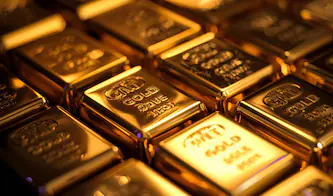
India remains one of the world’s largest consumers of gold, both for cultural and investment purposes. However, the country depends heavily on imports to meet domestic demand because local production remains extremely limited.
Economic experts estimate that India consumes nearly 700 to 800 tonnes of gold annually, while domestic production contributes only a small fraction of total demand. As a result, more than 90% of the country’s gold requirement is met through imports, making the sector highly sensitive to global pricing trends and foreign exchange movements.
Financial analysts state that large-scale gold imports contribute significantly to the country’s import expenditure without directly supporting industrial manufacturing or export generation on a comparable scale. This becomes particularly concerning during periods of elevated crude oil prices because India is already heavily dependent on imported energy supplies.
According to policy observers, the government appears focused on controlling discretionary imports in order to preserve foreign exchange reserves and limit pressure on the current account deficit.
Impact of West Asia Tensions on Economy
The recent rise in geopolitical tensions in West Asia has reportedly triggered broader economic concerns across international markets. Higher oil prices, disruptions in shipping routes, and uncertainty in commodity supplies have collectively affected import-dependent economies like India.
Energy experts note that India imports nearly 85% of its crude oil requirements from international markets. Any prolonged instability in oil-producing regions can therefore lead to increased transportation costs, inflationary pressures, and pressure on the Indian rupee.
Apart from energy imports, rising fertilizer prices and disruptions in global logistics networks have also contributed to growing concerns within policymaking circles.
Market analysts believe that the Prime Minister’s remarks are part of a larger effort to encourage cautious consumer spending while protecting macroeconomic stability during uncertain global conditions.
Sharp Decline in Gold Imports
Industry data and market reports indicate that gold imports into India have witnessed a significant decline over recent months.
According to trade estimates cited by industry observers, gold imports reportedly dropped from nearly 100 tonnes in January 2026 to approximately 65 tonnes in February. The decline continued further in March, with import volumes falling to nearly 20 tonnes. Preliminary estimates for April reportedly indicate imports of around 15 tonnes, among the lowest monthly levels recorded in recent years outside extraordinary periods such as the pandemic.
Experts attribute the slowdown to a combination of factors including high international prices, weaker consumer demand, operational delays, and procedural bottlenecks within the import system.
Sources associated with the bullion industry suggested that administrative delays related to customs approvals and renewal processes for authorised importing agencies may have contributed to disruptions in shipments during the beginning of the financial year.
Domestic Market Faces Supply Pressure
The reduction in import volumes has reportedly started affecting the domestic bullion market. Market specialists say reduced availability of imported gold has tightened supply conditions in several regions.
Industry consultants tracking bullion movements stated that domestic gold prices have remained elevated compared to global benchmark rates due to constrained supply conditions inside the country.
Some experts indicated that premiums in the local market have increased as jewellers and traders attempt to manage inventory amid lower import arrivals.
Analysts familiar with the bullion sector noted that the India International Bullion Exchange (IIBX) has become a key channel for gold imports in recent weeks. However, trading volumes through the exchange reportedly remain lower than normal market requirements.
Jewellery Industry Monitoring Demand Trends
The government’s advisory has also drawn attention within the jewellery sector, where businesses are closely monitoring changing consumer behaviour.
Several jewellery companies and industry bodies have reportedly expressed concern that any future increase in import duties or prolonged supply disruptions could impact sales volumes, especially during the upcoming festive and wedding seasons.
Industry estimates suggest that consumers have increasingly shifted toward exchanging old jewellery rather than making large fresh purchases due to elevated gold prices.
Retail analysts say this trend reflects cautious spending patterns among households amid broader economic uncertainty. Some jewellers have also indicated that recycled gold transactions now account for a growing portion of total sales in urban markets.
Cultural Importance of Gold in India
Gold occupies a unique position within Indian society beyond its financial value. It is widely associated with weddings, festivals, household savings, inheritance traditions, and social security, particularly in rural and semi-urban regions.
Economists point out that demand for gold in India often remains resilient even during periods of rising prices because of its deep cultural and emotional significance.
However, experts also warn that excessive dependence on imported gold can create economic vulnerabilities during periods of global instability. Rising import costs combined with currency fluctuations may place additional pressure on household finances and the broader economy.
Concerns Over Current Account Deficit
Financial experts say one of the government’s primary concerns is the impact of rising imports on the current account deficit (CAD), which measures the gap between the value of goods and services imported and exported by a country.
A widening current account deficit can affect currency stability, foreign exchange reserves, and borrowing costs. Economists note that higher oil and gold imports traditionally contribute heavily to India’s external trade imbalance.
Some banking sector analysts reportedly stated that the government’s advisory should be viewed as a precautionary economic measure rather than a restriction on personal spending. According to experts, policymakers are attempting to balance consumer freedom with macroeconomic stability during a volatile global period.
Markets and Investor Sentiment
The Prime Minister’s remarks also generated attention within financial markets. Shares of jewellery companies and bullion-related businesses remained under close observation by investors following the statement.
Market participants indicated that companies operating in the jewellery retail sector may experience short-term volatility depending on future import policies, pricing trends, and consumer demand patterns.
At the same time, analysts believe long-term demand for gold in India is unlikely to disappear entirely due to its strong social and investment-related appeal.
Commodity experts further noted that international gold prices have been influenced by safe-haven buying amid geopolitical uncertainty. Investors globally often move toward gold during periods of conflict or financial instability, contributing to higher global prices.
Broader Economic Message
Policy observers believe the government’s message extends beyond gold consumption alone. The appeal to reduce fuel usage, limit unnecessary foreign travel, and promote work-from-home practices appears connected to a broader strategy aimed at conserving resources and reducing pressure on imports.
Officials have also repeatedly encouraged citizens to support locally manufactured products as part of efforts to strengthen domestic industries and reduce dependence on overseas supply chains.
Economic commentators say such appeals are generally made during periods when governments seek greater public cooperation in maintaining financial and economic stability.
Outlook for the Coming Months
Experts suggest that the next few months could prove important for India’s economic management, especially if global geopolitical tensions continue or commodity prices remain elevated.
The festive and wedding season later this year is traditionally associated with a surge in gold purchases across India. Analysts believe market conditions during that period will depend heavily on global price movements, import availability, and domestic consumer sentiment.
While current demand remains relatively moderate, industry specialists caution that any major increase in buying activity could place additional strain on supply chains if import disruptions persist.
For now, the government’s advisory reflects growing concern over external economic pressures and highlights the balancing act policymakers face between supporting economic growth and protecting financial stability in an uncertain global environment.