Search

    Language Settings
    Select Website Language

    GDPR Compliance

    We use cookies to ensure you get the best experience on our website. By continuing to use our site, you accept our use of cookies, Privacy Policy, and Terms of Service.

    Delhi Court Rejects Interim Bail Plea Of Activist In 2020 Riot-Linked Case

    13 hours ago

    Yugcharan News / 19 May 2026

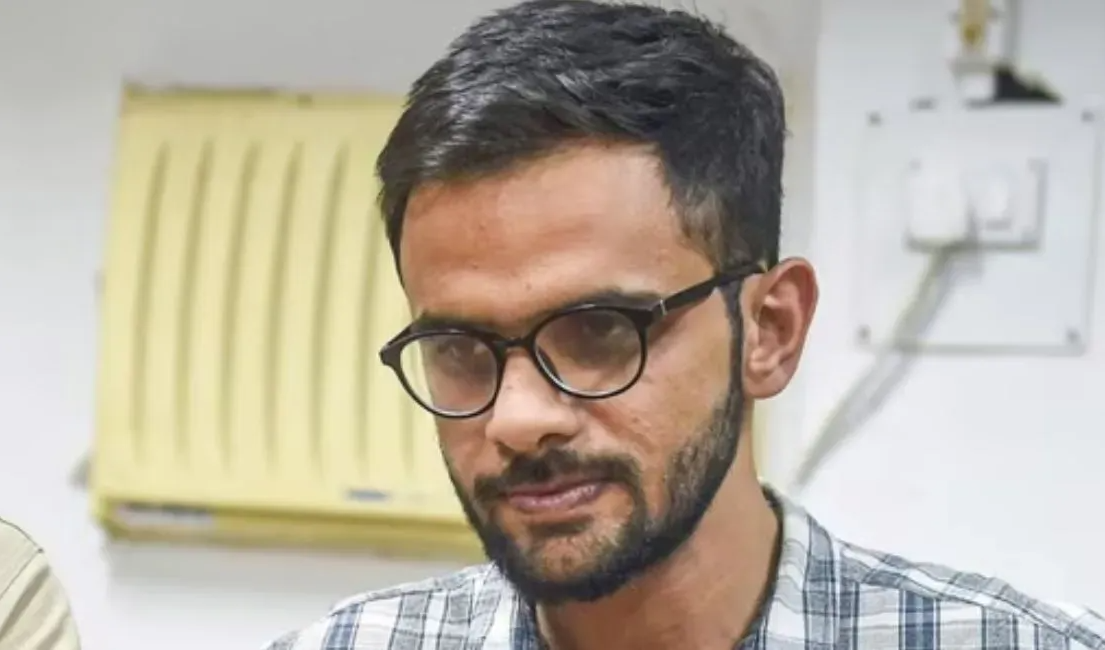
    A Delhi court on Tuesday rejected an interim bail plea filed by activist Umar Khalid, who had sought temporary release to attend a family religious gathering and assist in the medical care of his ailing mother. The court reportedly observed that the grounds presented in the application did not justify granting interim relief at this stage of the proceedings.

    The decision came amid ongoing legal developments connected to the larger investigation into the 2020 northeast Delhi violence case, which continues to remain one of the most closely watched legal matters in recent years.

    According to legal sources, the plea was heard by an additional sessions judge in Delhi, where the defence had requested temporary bail for a limited period. The application reportedly cited personal and humanitarian reasons, including participation in a family ritual following the death of a relative and support for the applicant’s mother, who is expected to undergo medical treatment.

    However, the court declined the request after considering submissions made during the hearing.

    Bail Request Linked To Family Circumstances

    The interim bail plea reportedly sought a 15-day release period. Defence representatives argued that the request was based on exceptional personal circumstances and humanitarian considerations.

    According to reports, the plea mentioned the observance of a traditional post-death family ritual as well as the need to assist the applicant’s mother during a scheduled medical procedure.

    Legal observers noted that temporary bail requests in ongoing criminal matters are often evaluated on factors such as urgency, medical necessity, security concerns, and the stage of investigation or trial.

    The court, however, reportedly concluded that the reasons cited in this particular application were not sufficient to warrant interim release.

    Detailed judicial observations from the order were not immediately available publicly at the time of reporting.

    Supreme Court Recently Raised Questions On Bail Principles

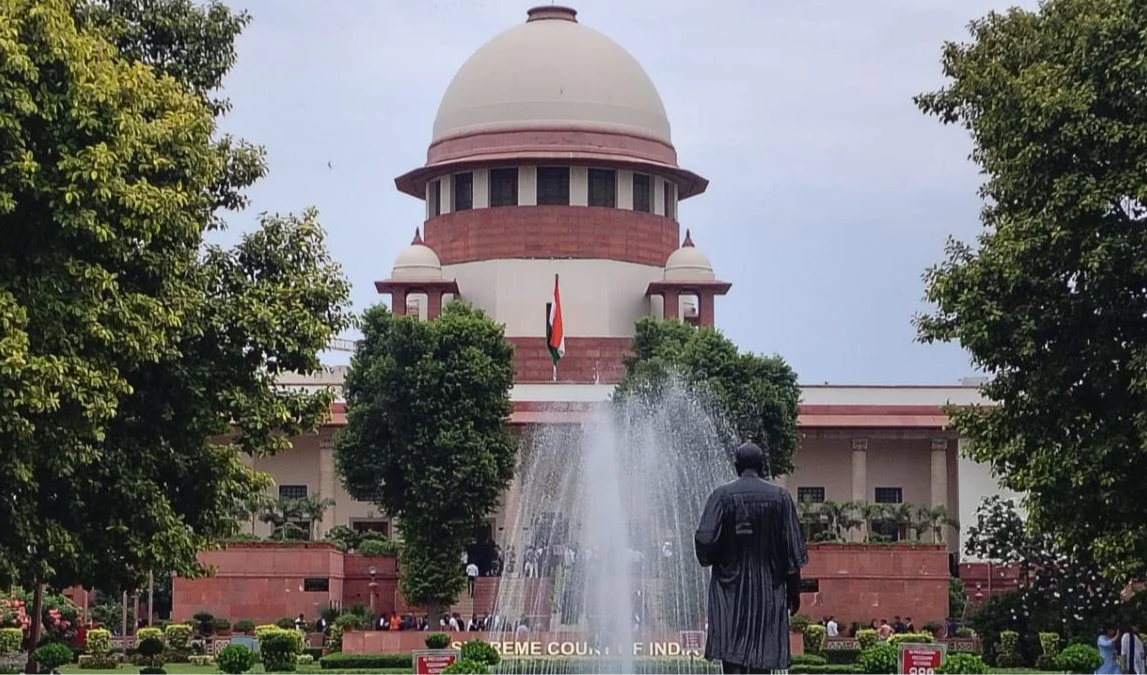
    The latest development comes shortly after the Supreme Court reportedly expressed concerns regarding earlier decisions related to bail pleas filed by certain accused individuals connected to the same broader case.

    According to reports, the apex court had recently observed that prolonged incarceration and delays in trial proceedings are important considerations while deciding bail applications, even in cases registered under stringent laws.

    Legal experts say the Supreme Court’s remarks have reignited wider discussions surrounding the balance between national security laws, individual liberty, and the pace of criminal trials in India.

    The issue has become particularly significant in cases where accused individuals remain in custody for extended periods before completion of evidence and final adjudication.

    Constitutional law experts note that Indian courts have repeatedly debated how to reconcile public safety concerns with the legal principle that prolonged detention without conclusion of trial should not become punitive in nature.

    Background Of The 2020 Delhi Violence Case

    The case against Umar Khalid and several other accused persons is linked to the northeast Delhi violence that occurred in February 2020. The clashes resulted in the loss of dozens of lives and injuries to hundreds of individuals, while also causing extensive property damage in several localities.

    The violence had erupted during a period marked by protests and demonstrations related to the Citizenship Amendment Act (CAA) and proposed National Register of Citizens (NRC). Multiple investigations were later launched by law enforcement agencies to determine the causes, planning, and execution of the violence.

    Authorities subsequently filed cases under various provisions of the Indian Penal Code and the Unlawful Activities (Prevention) Act (UAPA), alleging the existence of a larger conspiracy behind the unrest.

    Several activists, students, and individuals associated with protest activities were later named in chargesheets connected to the investigation.

    The accused individuals have consistently denied wrongdoing and maintained that the allegations are politically motivated and unsupported by credible evidence.

    Debate Around Use Of UAPA Continues

    The use of the Unlawful Activities (Prevention) Act in the Delhi violence-related cases has remained a subject of legal and political debate for several years.

    Supporters of the law argue that stringent legislation is necessary in cases involving alleged threats to national security and organised violence. They maintain that investigative agencies require broader powers to examine complex conspiracies and maintain public order.

    Critics, however, argue that prolonged detention under anti-terror laws can undermine civil liberties when trials take years to conclude. Human rights groups and legal scholars have repeatedly raised concerns regarding bail standards and extended incarceration under such legislation.

    The Supreme Court’s recent remarks on delay and prolonged custody have therefore attracted significant attention from legal observers across the country.

    Several constitutional experts note that courts increasingly face pressure to ensure both national security and protection of individual rights within the criminal justice system.

    Political And Public Reactions

    The rejection of the interim bail plea quickly triggered reactions from political commentators, activists, and legal analysts.

    Some civil rights advocates argued that humanitarian grounds should receive greater consideration, particularly when requests relate to family medical emergencies. Others maintained that courts must follow legal standards consistently, irrespective of political or public pressure.

    Supporters of stricter enforcement in riot-related cases argued that the judiciary must remain cautious in granting relief where serious allegations are involved.

    Meanwhile, opposition political voices and activist groups once again raised broader concerns regarding prolonged incarceration of individuals awaiting trial under special laws.

    The matter also gained attention across social media platforms, where users expressed sharply divided opinions on issues involving protest politics, public order, and judicial discretion.

    Trial Delays And Judicial Burden

    Legal experts say one of the major concerns in several high-profile criminal cases across India is the slow pace of trials due to extensive evidence, large numbers of accused persons, and procedural complexity.

    The Delhi violence-related proceedings reportedly involve numerous witnesses, electronic records, financial data, digital communications, and extensive documentation gathered during the investigation.

    Criminal law specialists note that such large-scale cases often take years before final adjudication, leading to recurring legal battles over bail and custody.

    Judicial reform advocates have repeatedly called for faster trial mechanisms, increased court infrastructure, and procedural efficiency in cases involving prolonged detention.

    According to legal analysts, balancing speedy justice with comprehensive investigation remains one of the biggest structural challenges facing India’s criminal justice system.

    Humanitarian Bail Requests Under Scrutiny

    Temporary or interim bail applications on humanitarian grounds are not uncommon in Indian courts, particularly in cases involving family emergencies, illness, or religious obligations.

    Courts generally examine medical documents, the seriousness of the situation, potential security concerns, and the possibility of misuse before granting relief.

    In recent years, several high-profile cases involving political leaders, activists, and public figures have witnessed debates over whether humanitarian grounds should outweigh investigative concerns during ongoing proceedings.

    Legal experts emphasise that interim bail decisions are typically fact-specific and do not determine guilt or innocence in the larger criminal matter.

    Case Expected To Continue Drawing Attention

    The rejection of the latest plea indicates that the legal proceedings connected to the 2020 Delhi violence case are likely to remain under close public and judicial scrutiny in the coming months.

    With trial proceedings continuing and multiple related petitions pending before higher courts, the matter remains politically and legally significant.

    Observers believe future hearings in the Supreme Court and lower courts may further shape legal interpretations regarding bail, prolonged incarceration, and procedural fairness under special legislation.


    For now, the Delhi court’s decision has once again brought national attention to the broader debate surrounding civil liberties, national security laws, and the functioning of India’s criminal justice system in complex and sensitive cases.

    Click here to Read More
    Previous Article
    Questions On Press Freedom Surface During Prime Minister’s Norway Visit Amid Diplomatic Media Exchange
    Next Article
    Trinamool Candidate Withdraws From Falta Bypoll Ahead Of Repoll, Political Tensions Rise In Bengal

    Related National Updates:

    Are you sure? You want to delete this comment..! Remove Cancel

    Comments (0)

      Leave a comment