Search

    Language Settings
    Select Website Language

    GDPR Compliance

    We use cookies to ensure you get the best experience on our website. By continuing to use our site, you accept our use of cookies, Privacy Policy, and Terms of Service.

    Delhi-NCR Faces Intense Heatwave as Temperatures Touch 45 Degrees Celsius, IMD Issues Fresh Warning

    7 hours ago

    Yugcharan News / 19 May 2026

    Large parts of North and Central India continue to battle an intense spell of summer heat, with temperatures in Delhi-NCR climbing close to 45 degrees Celsius and the India Meteorological Department (IMD) warning that severe heatwave conditions are likely to persist over the coming days. Weather officials have cautioned residents across several states to remain alert as dry winds and prolonged exposure to extreme temperatures raise concerns over public health, water demand, and power consumption.

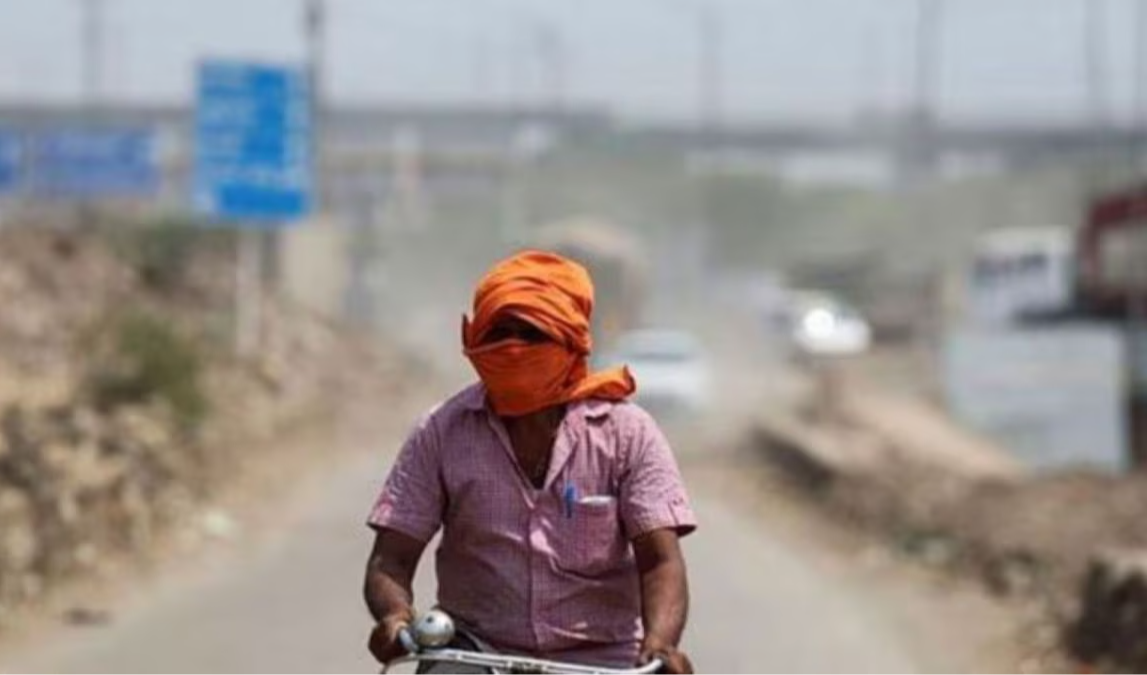
    According to the latest weather assessments released by the IMD, the ongoing heatwave is among the strongest and most widespread temperature surges recorded during the current summer season. The national capital and surrounding regions experienced scorching afternoon conditions on Sunday and Monday, with roads appearing deserted during peak daytime hours as many residents chose to remain indoors.

    Meteorologists stated that the absence of widespread cloud cover and thunderstorm activity has allowed direct solar radiation to heat land surfaces rapidly. Combined with hot continental winds moving across northern and central India, the atmospheric conditions have contributed to unusually high daytime temperatures across multiple states.

    Temperatures Continue to Rise Across Northern India

    Delhi recorded temperatures hovering around the 45-degree Celsius mark during afternoon hours, making it one of the hottest days of the season so far. Similar weather conditions were reported from several adjoining regions, including parts of Haryana, Rajasthan, Punjab, and western Uttar Pradesh.

    In central India, cities in Maharashtra and Madhya Pradesh also witnessed severe heat conditions. Nagpur reportedly crossed 46 degrees Celsius, while isolated pockets in interior regions were estimated to be approaching 47 to 48 degrees Celsius during peak afternoon periods.

    Officials from the weather department explained that heatwave conditions are generally declared when temperatures rise significantly above normal seasonal averages. In plains regions, a heatwave warning is issued when temperatures exceed prescribed thresholds and continue for consecutive days.

    Experts noted that the current weather pattern reflects a combination of climatic and seasonal factors, including delayed pre-monsoon activity and weakened moisture inflow from surrounding regions.

    IMD Issues Heatwave Alert for Multiple States

    The India Meteorological Department has issued warnings for several northern and central Indian states, urging local administrations to remain prepared for prolonged heat exposure and associated health risks.

    States placed under heatwave alert include:

    • Delhi and NCR regions
    • East Rajasthan
    • Haryana
    • Punjab
    • Uttar Pradesh
    • Eastern Gujarat
    • Parts of Maharashtra
    • Sections of Madhya Pradesh and central India

    Officials indicated that temperatures are likely to remain above normal for at least the next four to five days before gradual relief may emerge through changing weather systems or pre-monsoon activity.

    Authorities have also advised district administrations to activate emergency heat response plans, ensure water availability in public areas, and monitor vulnerable populations such as elderly citizens, children, outdoor workers, and people with existing health conditions.

    Impact on Daily Life in Delhi-NCR

    The severe heat has begun affecting everyday life across Delhi and nearby urban centres. Residents reported reduced outdoor movement during afternoon hours, while public transport facilities and marketplaces experienced lower daytime footfall due to the extreme conditions.

    Roadside vendors, delivery personnel, traffic police staff, construction workers, and labourers remain among the most exposed groups during heatwave periods. Health professionals have warned that continuous exposure to high temperatures may lead to dehydration, heat exhaustion, dizziness, and other heat-related complications.

    Hospitals and clinics in several areas have reportedly begun witnessing an increase in patients complaining of dehydration, fatigue, headaches, and heat stress symptoms. Medical experts are advising citizens to avoid direct sunlight during afternoon hours, consume adequate fluids, and wear light cotton clothing whenever stepping outdoors.

    Electricity demand has also risen sharply across the national capital due to increased usage of air conditioners, coolers, and refrigeration systems. Energy departments in several states are closely monitoring power loads to avoid outages during peak consumption hours.

    Why This Heatwave Is Considered Severe

    Meteorologists say this year’s heat conditions stand out because of the geographical spread and persistence of high temperatures. Unlike short-duration summer spikes, the current heat pattern has extended across multiple regions simultaneously.

    Experts explained that dry northwesterly winds moving from arid regions have intensified the situation. Since there has been limited rainfall activity and weak cloud formation, land surfaces continue to absorb and retain heat throughout the day.

    Another factor contributing to rising temperatures is the urban heat island effect, especially in densely populated cities like Delhi. Concrete structures, vehicular emissions, and limited green cover trap heat and prevent rapid cooling during nighttime hours.

    Weather analysts also pointed out that nighttime temperatures have remained unusually high in many urban areas, reducing the body’s ability to recover from daytime heat exposure.

    Public Health Advisory Issued

    The IMD, along with health authorities, has issued advisories urging people to take precautions against heat-related illnesses. Citizens have been advised to:

    • Avoid outdoor activities during peak afternoon hours
    • Stay hydrated by drinking water regularly
    • Avoid excessive caffeine or alcohol consumption
    • Use umbrellas, caps, or cloth coverings outdoors
    • Wear loose and light-coloured clothing
    • Avoid leaving children or pets inside parked vehicles
    • Seek immediate medical attention if symptoms of heatstroke appear

    Officials also encouraged employers to provide adequate rest and hydration facilities for outdoor workers.

    Schools in certain districts are reportedly reviewing schedules and outdoor activity timings to reduce student exposure to harsh sunlight. Some state governments are also considering temporary modifications in working hours for field staff and labour-intensive sectors.

    Agricultural Concerns Emerging

    The prolonged heatwave may also impact agricultural activities in several states. Experts warned that excessive temperatures can damage standing crops, increase irrigation demand, and accelerate moisture loss from soil.

    Farmers cultivating vegetables, pulses, and summer crops may face additional pressure if rainfall activity remains weak in the coming weeks. Agricultural scientists have advised farmers to adopt water-conservation techniques and avoid irrigation during peak daytime temperatures to minimise evaporation loss.

    Livestock health is another concern during prolonged heat spells, particularly in rural areas where water shortages may intensify.

    Scientists Link Extreme Weather to Climate Trends

    Climate researchers have repeatedly warned that rising global temperatures are contributing to more frequent and intense heatwaves across South Asia. While seasonal heatwaves are common during Indian summers, scientists believe that climate variability and long-term warming trends are increasing their duration and severity.

    Several environmental studies over recent years have indicated that urban centres are becoming increasingly vulnerable to prolonged heat stress due to rapid infrastructure expansion, shrinking water bodies, and declining green cover.

    Experts argue that long-term adaptation strategies — including urban cooling plans, increased tree plantation, better water management, and heat-resilient infrastructure — are becoming essential for Indian cities.

    Possibility of Relief Still Uncertain

    At present, meteorologists say there is no immediate indication of major relief across northern India. Some isolated pre-monsoon thunderstorm activity may develop later in the week, but widespread cooling conditions are not yet expected.

    Weather officials are continuing to monitor atmospheric developments closely and have urged residents to follow updated advisories regularly.

    Meanwhile, civic authorities across Delhi-NCR and other affected regions are preparing for continued heatwave conditions by strengthening emergency response systems and ensuring coordination among health, electricity, water, and disaster management departments.

    With temperatures remaining dangerously high and summer conditions expected to intensify further, experts say public awareness and precautionary measures will play a critical role in reducing health risks during the ongoing heatwave spell.


    Click here to Read More
    Previous Article
    Delhi High Court Seeks Formal Intimation to AAP Leaders on Bench Transfer in Excise Policy Matter
    Next Article
    West Asia Tensions Continue as Qatar Calls for More Time in US-Iran Talks

    Related National Updates:

    Are you sure? You want to delete this comment..! Remove Cancel

    Comments (0)

      Leave a comment