Search

    Language Settings
    Select Website Language

    GDPR Compliance

    We use cookies to ensure you get the best experience on our website. By continuing to use our site, you accept our use of cookies, Privacy Policy, and Terms of Service.

    Iran-Oman Strait of Hormuz Agreement Near Completion as Trump Signals Possible Breakthrough

    1 day ago

    Yugcharan News | 06-08-2026

    Global attention has once again turned to the Strait of Hormuz after Iran announced that negotiations with Oman over a proposed agreement governing the strategic waterway have reached their final stage. The development comes as United States President Donald Trump indicated that a breakthrough could be announced within days, raising hopes that months of military tensions and disruptions to international shipping may soon begin to ease.

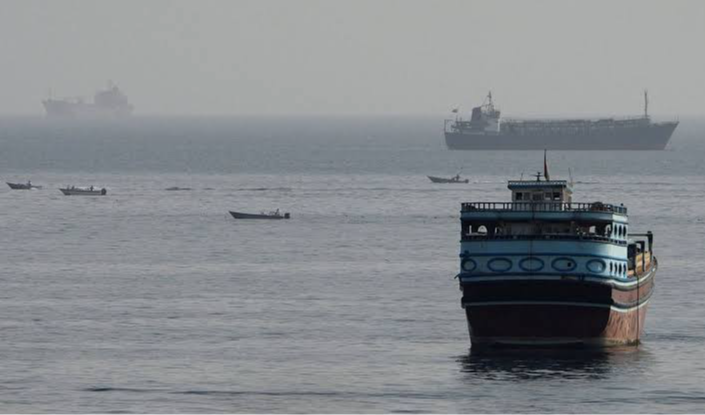
    The Strait of Hormuz, regarded as one of the world's most strategically important maritime routes, has remained at the centre of regional conflict since the outbreak of hostilities earlier this year. The prolonged crisis has significantly affected global energy supplies, disrupted commercial shipping, and contributed to rising fuel prices across international markets.

    If the proposed agreement is finalised, analysts believe it could represent an important step toward restoring maritime trade through the region while reopening diplomatic channels between Washington and Tehran. However, several political and security challenges remain before any lasting settlement can be achieved.

    Iran Says Agreement Is in Final Stage

    Iranian officials confirmed that negotiations with Oman regarding the Strait of Hormuz have reached an advanced phase. According to Iran's Foreign Ministry spokesperson Esmail Baghaei, both sides are close to finalising the draft agreement, and a joint statement could be released if the remaining issues are resolved without external interference.

    The announcement has generated cautious optimism among international observers, particularly as commercial shipping through the Strait has remained severely disrupted in recent months due to escalating military activity and heightened security concerns.

    Although Iranian officials have expressed confidence about the progress made during negotiations, they have also indicated that the agreement's success may depend on actions taken by other parties involved in the broader regional conflict.

    Trump Hints at Imminent Announcement

    Adding to speculation surrounding the negotiations, US President Donald Trump suggested that an announcement regarding the Strait of Hormuz could be made very soon.

    Speaking to reporters, Trump said substantial progress had been achieved and indicated that developments could occur within a matter of days. While the White House has not officially confirmed the contents of any proposed agreement, the President's remarks have fuelled expectations that diplomatic efforts may finally produce tangible results after months of uncertainty.

    US Vice President JD Vance also acknowledged that negotiations have been complex and challenging. He described the diplomatic process as difficult but maintained that discussions were continuing despite setbacks.

    American officials have repeatedly stated that any long-term solution must protect international shipping rights while ensuring stability in one of the world's busiest maritime corridors.

    Why the Strait of Hormuz Matters

    The Strait of Hormuz serves as one of the most vital shipping lanes in global trade.

    Before the current conflict escalated, approximately one-fifth of the world's traded crude oil and significant quantities of liquefied natural gas passed through this narrow waterway connecting the Persian Gulf with international markets.

    Any disruption to navigation through the Strait immediately affects global energy markets, leading to fluctuations in oil prices, increased transportation costs, and higher prices for consumers worldwide.

    Since military confrontations intensified earlier this year, commercial shipping traffic has declined sharply as shipping companies reassessed security risks associated with operating in the region.

    Industry experts believe that restoring safe passage through the Strait would benefit not only Middle Eastern economies but also global trade and energy security.

    Dispute Over Control of the Waterway

    Despite encouraging signs from the ongoing negotiations, one of the biggest challenges remains the future administration of the Strait.

    Iran has consistently argued that it should retain a degree of control over navigation through the waterway following the conflict. Iranian authorities have indicated that they do not wish to return to the previous arrangement under which the Strait functioned solely as an unrestricted international shipping route.

    Reports suggest that one proposal under discussion involves vessels entering the Persian Gulf through a route monitored by Iranian authorities while departing through waters managed by Oman.

    According to regional officials familiar with the negotiations, security services and environmental protection measures would accompany the proposed arrangement, with commercial vessels potentially paying service fees.

    However, American officials have repeatedly opposed any system that would permit Iran to collect fees from international shipping or strengthen its long-term control over one of the world's most important maritime passages.

    Draft Agreement Reportedly Finalised

    According to regional diplomatic sources, negotiators from Iran and Oman have completed the draft framework for the proposed agreement and are now awaiting final approval from Iran's Supreme Leader.

    Officials familiar with the discussions have suggested that the proposed arrangement may initially serve as a temporary mechanism designed to restore navigation while broader political negotiations continue.

    The reported agreement is also believed to be linked to earlier diplomatic efforts aimed at reducing hostilities and reopening maritime trade routes after months of conflict.

    Although neither Iran nor Oman has publicly released the complete draft, diplomats expect additional details to emerge once the final political approvals have been secured.

    Impact on Global Economy

    The closure and disruption of the Strait of Hormuz have had significant consequences for the international economy.

    Oil prices surged after commercial shipping through the route slowed dramatically, increasing transportation costs and contributing to inflationary pressures in several countries.

    Although crude oil prices eased slightly following reports of progress in negotiations, markets remain cautious until a formal agreement is announced and implemented.

    Economic analysts believe that restoring uninterrupted shipping through the Strait would improve confidence in international energy markets and reduce uncertainty affecting businesses worldwide.

    Regional Security Challenges Continue

    Despite diplomatic progress, security concerns across the Middle East remain significant.

    Recent reports indicate that attacks involving commercial vessels and regional shipping continue in both the Gulf of Aden and the Red Sea.

    Iran-backed Houthi forces in Yemen have reportedly claimed responsibility for missile attacks targeting vessels linked to Saudi Arabia, although independent verification of those claims remains limited.

    Meanwhile, maritime security agencies continue to monitor reports of explosions and suspicious incidents involving ships operating near key regional waterways.

    These developments highlight the fragile security environment that continues to threaten international shipping despite ongoing diplomatic efforts.

    Israel-Lebanon Tensions Add to Regional Uncertainty

    Alongside developments involving Iran, tensions between Israel and Hezbollah have also increased in southern Lebanon.

    Israeli authorities have reported conducting military operations following alleged violations of an existing ceasefire agreement, while diplomatic discussions aimed at maintaining regional stability continue through international mediation.

    Negotiators from Lebanon and Israel recently held talks regarding the implementation of previous ceasefire arrangements, although developments on the ground reportedly interrupted portions of those discussions.

    The simultaneous challenges in multiple parts of the Middle East illustrate the complexity of achieving lasting regional peace while protecting vital international trade routes.

    What Happens Next?

    Attention will now focus on whether Iran, Oman, and the United States can finalise the proposed Strait of Hormuz agreement in the coming days.

    If the negotiations conclude successfully, commercial shipping could gradually resume through one of the world's most strategically important waterways, helping stabilise energy markets and reducing geopolitical tensions across the region.

    However, important issues remain unresolved, including the future governance of the Strait, maritime security arrangements, and broader negotiations concerning Iran's nuclear programme and regional security.

    International observers believe that any final agreement will require careful implementation and continued diplomatic engagement to ensure that renewed maritime trade is accompanied by lasting political stability.


    For the global economy, the outcome of these negotiations could prove highly significant. With international trade, oil supplies, and regional security closely interconnected, the proposed Iran-Oman agreement has the potential to influence economic conditions far beyond the Middle East. Governments, financial markets, and shipping companies around the world will therefore continue to monitor developments closely as negotiators move toward what could become one of the most consequential diplomatic agreements of the year.

    Click here to Read More
    Previous Article
    Ex-Bangladesh Prime Minister Sheikh Hasina Announces Plan to Return Home Despite Death Sentence
    Next Article
    Sonam Wangchuk Alleges Union Ministers Breached Trust by Sharing Images of His Hunger Strike Conclusion

    Related International Updates:

    Are you sure? You want to delete this comment..! Remove Cancel

    Comments (0)

      Leave a comment