Search

    Language Settings
    Select Website Language

    GDPR Compliance

    We use cookies to ensure you get the best experience on our website. By continuing to use our site, you accept our use of cookies, Privacy Policy, and Terms of Service.

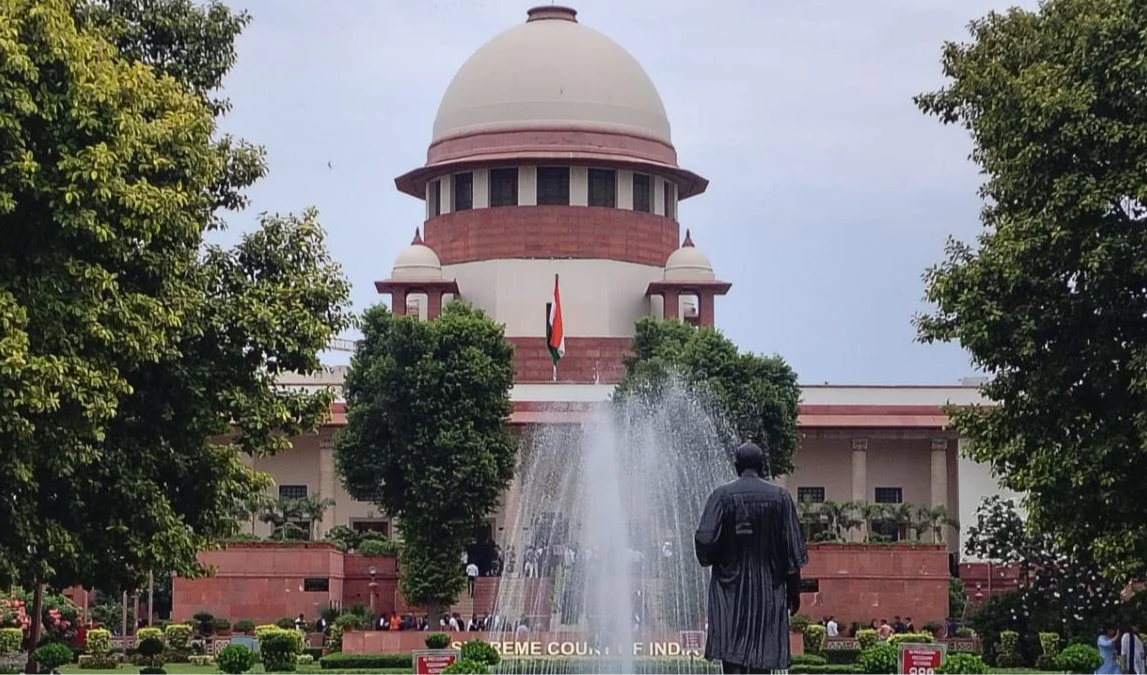
    Supreme Court Declines To Alter Earlier Directions On Stray Dogs, Calls Rising Attack Cases A Serious Concern

    15 hours ago

    Yugcharan News / 19 May 2026

    The Supreme Court on Tuesday declined to modify its earlier directions regarding the handling of stray dogs in public places, observing that incidents involving dog attacks in several parts of the country have become a matter of growing public concern. The apex court stated that authorities cannot remain passive when issues affecting public safety continue to increase despite existing legal and administrative mechanisms.

    A bench comprising senior judges of the Supreme Court dismissed multiple petitions that had sought changes to earlier directives issued in late 2025 concerning the relocation and management of stray dogs from crowded public areas such as hospitals, schools, bus stands, railway stations, airports, and sports complexes.

    The matter, which has generated widespread debate across the country, relates to balancing public safety concerns with animal welfare regulations. The court also addressed objections raised against operational guidelines framed by national animal welfare authorities.

    Court Highlights Rising Incidents Across Public Spaces

    While delivering its observations, the bench reportedly referred to several recent incidents involving attacks by stray dogs on children, elderly citizens, and members of the public. The court noted that such cases were no longer isolated and had increasingly been reported from residential colonies, transport hubs, and other crowded public locations.

    According to the judgment, the recurring nature of these incidents reflects deficiencies in the implementation of existing animal birth control and vaccination systems by state authorities and local civic bodies.

    The court reportedly remarked that citizens have a constitutional right to move freely in public spaces without fear of physical harm. It further observed that governance systems must ensure public safety while implementing animal welfare policies in a lawful and humane manner.

    Judicial observations also suggested that authorities had failed to adequately address the growing scale of the problem over several years.

    Earlier Directions To Continue

    The Supreme Court clarified that its earlier directions regarding stray dog management would continue to remain in force. Under those directions, stray dogs identified in sensitive public locations are not to be released back into the same area after sterilisation or vaccination procedures.

    Instead, authorities were directed to relocate such animals to designated shelters or controlled facilities in accordance with applicable legal provisions.

    The court also refused to interfere with restrictions relating to feeding stray dogs in open public streets, except at officially designated feeding zones created by local authorities.

    Animal welfare groups and several petitioners had approached the court seeking reconsideration of these measures, arguing that some directions were difficult to implement and could affect existing animal protection practices. However, the bench ultimately declined to alter the framework introduced earlier.

    Additional Guidelines Issued To States And Local Bodies

    Along with refusing modification requests, the court reportedly issued a fresh set of instructions aimed at improving implementation across states and union territories.

    Authorities across the country have now been asked to ensure stricter enforcement of animal welfare and sterilisation regulations. The court also directed state governments to establish at least one Animal Birth Control (ABC) centre in every district to strengthen sterilisation and vaccination efforts.

    Further directions reportedly included maintaining adequate stocks of anti-rabies vaccines and related emergency treatment materials in healthcare facilities.

    The judgment also provided protection to officials carrying out dog-control duties, observing that civic staff and enforcement personnel should not ordinarily face criminal complaints while performing responsibilities assigned under official orders.

    In cases involving dogs identified as rabid or posing a severe threat to human life, authorities were reportedly permitted to take legally permissible measures, including euthanasia under regulated conditions.

    The court additionally instructed High Courts across the country to monitor compliance with these directions through appropriate judicial oversight wherever necessary.

    Concern Over Implementation Failures

    A significant portion of the judgment reportedly focused on administrative lapses in implementing existing animal birth control policies over the years.

    The bench observed that sterilisation and vaccination programmes had remained inconsistent, underfunded, and unevenly executed in many parts of India. According to the court, the absence of long-term planning and institutional commitment contributed substantially to the present situation.

    The judgment suggested that timely execution of animal population control measures could have prevented the issue from reaching what the court described as “serious proportions.”

    Officials were also warned that negligence in carrying out court-directed responsibilities could attract disciplinary action or contempt proceedings.

    Legal experts believe the court’s strong language reflects growing judicial concern over repeated reports of dog attacks involving children and vulnerable individuals.

    Background Of The Case

    The matter traces its origins to proceedings initiated last year after media reports highlighted the death of a child allegedly linked to a stray dog attack in the National Capital Region. The issue subsequently reached the Supreme Court, which took suo motu cognisance and began examining larger questions related to public safety and civic responsibility.

    During earlier hearings, an initial proposal regarding the confinement of stray dogs generated strong reactions from animal rights organisations, welfare groups, and sections of civil society. The issue later came before a larger bench, which modified certain directions while continuing to stress the need for effective management systems.

    Over time, the scope of the proceedings expanded beyond the National Capital Region and evolved into a nationwide issue concerning the implementation of stray animal control measures.

    In November last year, the apex court issued broader directives requiring local authorities to identify and secure public institutions and crowded zones from stray dog-related risks.

    Debate Between Public Safety And Animal Welfare

    The case has reignited public debate around how India should address the growing stray dog population while maintaining compliance with animal protection laws.

    Supporters of stricter regulation argue that increasing attacks in residential colonies, parks, schools, and public transport areas have created genuine safety concerns, particularly for children and elderly citizens.

    At the same time, animal welfare activists maintain that humane treatment, sterilisation drives, vaccination campaigns, and proper shelter systems remain the most sustainable long-term solutions.

    Several experts note that the issue has become more complicated due to uneven implementation by local bodies, shortage of shelters, lack of funding, and rising urban populations.

    Urban governance specialists also point out that poor waste management practices and unregulated feeding zones often contribute to increasing stray animal concentrations in densely populated neighbourhoods.

    Healthcare Experts Stress Rabies Prevention

    Medical professionals have meanwhile highlighted the importance of improving access to anti-rabies treatment and emergency response systems. Public health experts warn that delays in vaccination after dog bites can lead to serious medical complications.

    According to healthcare authorities, India continues to report a significant number of animal bite cases annually, making awareness campaigns and rapid treatment facilities essential.

    Doctors have advised citizens to immediately seek medical care after any dog bite or scratch and avoid relying on unverified home remedies.

    The Supreme Court’s emphasis on vaccine availability is therefore being viewed as an important aspect of the larger public health response.

    Wider Implications Expected

    Legal observers believe the latest ruling could influence municipal policies, urban governance strategies, and future litigation involving animal control measures across India.

    Many state governments may now be required to increase spending on sterilisation programmes, shelter infrastructure, vaccination drives, and monitoring systems to comply with judicial expectations.

    The judgment is also expected to intensify discussions on how authorities can maintain a balance between human safety concerns and humane treatment of animals.

    For now, the Supreme Court’s latest decision makes it clear that earlier directions concerning the management of stray dogs in public spaces will remain operational, while authorities across the country face increasing pressure to ensure effective implementation on the ground.


    Click here to Read More
    Previous Article
    Bhopal Woman Death Case Draws Attention After Allegations Against Husband And Family
    Next Article
    Questions On Press Freedom Surface During Prime Minister’s Norway Visit Amid Diplomatic Media Exchange

    Related National Updates:

    Are you sure? You want to delete this comment..! Remove Cancel

    Comments (0)

      Leave a comment