Search

    Language Settings
    Select Website Language

    GDPR Compliance

    We use cookies to ensure you get the best experience on our website. By continuing to use our site, you accept our use of cookies, Privacy Policy, and Terms of Service.

    Trump Signs Executive Order Renaming Artificial Intelligence as ‘Super Intelligence’; Here’s What the New Order Changes

    10 hours ago

    Yugcharan News / 01-10-2026

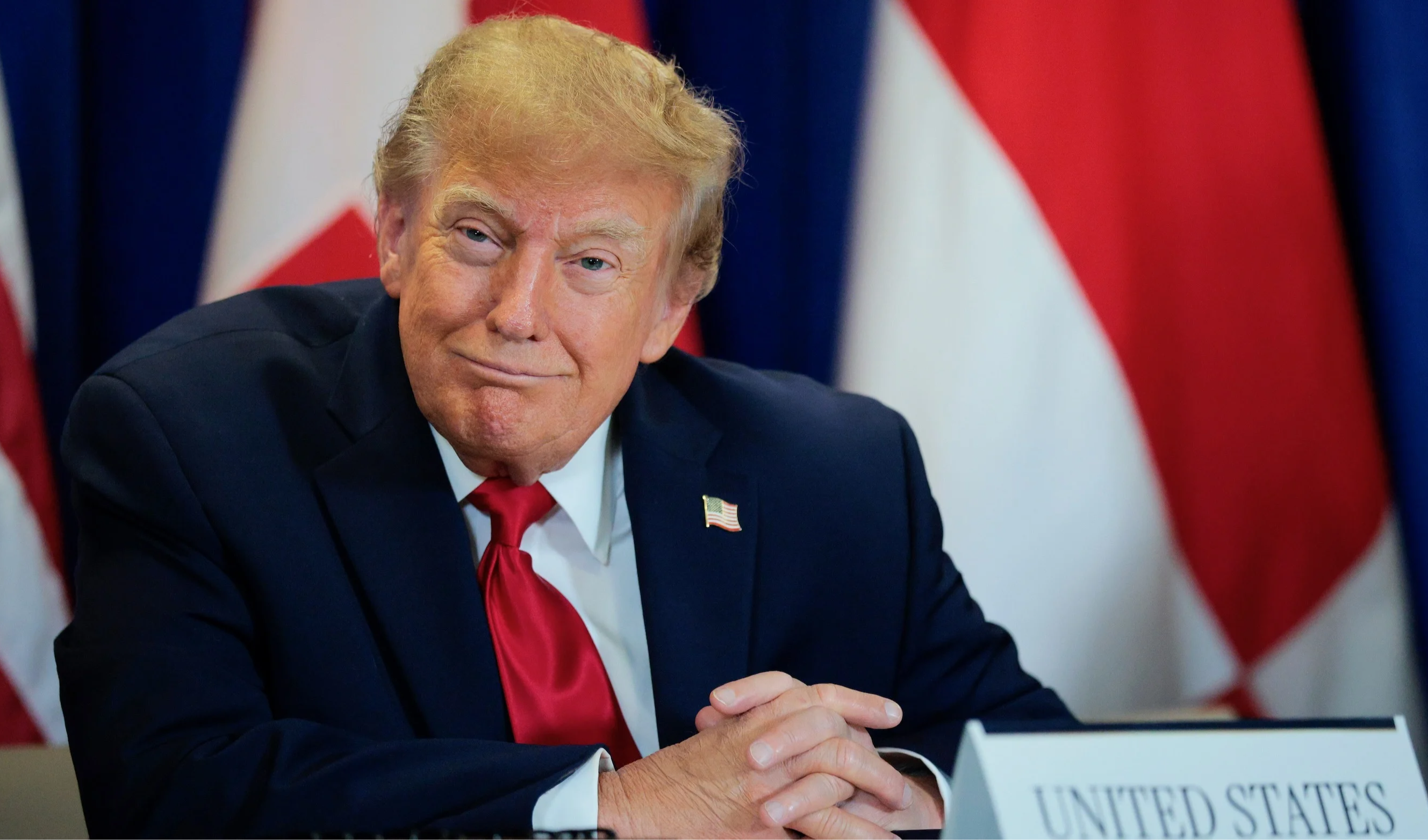
    US President Donald Trump has signed an executive order directing the federal government to use the term “Super Intelligence” and the abbreviation “SI” in place of “Artificial Intelligence” and “AI” in official communications and documents. The order, signed on Tuesday, September 29, comes amid growing debate in the United States over the rapid development of advanced AI systems, their potential uses and concerns surrounding their safety and oversight.

    The executive order, released by the White House, argues that the capabilities of modern frontier AI systems have gone far beyond what was originally envisioned when the term “Artificial Intelligence” was introduced. According to the order, today’s technologies are capable of performing tasks that extend beyond simply imitating or automating individual aspects of human intelligence.

    Under the new directive, federal departments and agencies are instructed to adopt “Super Intelligence” and “SI” in applicable official communications and documents. However, the order does not require previously issued regulations, contracts or other documents to be rewritten.

    Trump Administration Introduces New Terminology

    The executive order represents a terminology change within the federal executive branch rather than an immediate technological reclassification of artificial intelligence systems.

    The White House order states that the executive branch will no longer acknowledge the use of “Artificial Intelligence” and “AI” in applicable settings. Federal agencies are instead expected to use “Super Intelligence” and “SI” when referring to the technology.

    The order also gives the White House science and technology adviser, Michael Kratsios, 60 days to consult with heads of federal agencies and assess how far the term “Super Intelligence” should replace the existing statutory definition of “artificial intelligence.”

    This means that the administration’s terminology could potentially have implications beyond government communications if existing laws and statutory definitions are eventually reconsidered.

    The order, however, does not itself rewrite every federal law or regulation containing references to artificial intelligence. Previously issued regulations, contracts and documents will remain unchanged under the directive.

    White House Says Technology Has Gone Beyond Traditional AI

    A separate White House fact sheet issued alongside the executive order said the term “Super Intelligence” better represents the capabilities of technologies currently being developed.

    The administration argued that the new terminology reflects what it considers a significant shift in the capabilities of advanced computing and AI systems. According to the fact sheet, these technologies are being developed to create new forms of human creativity and enable Americans to accomplish tasks that were previously considered impossible.

    The White House also used the announcement to criticise policies associated with the previous Biden administration, saying the Trump administration had eliminated what it described as the Biden administration’s “overreaching and harmful SI policies.”

    The terminology change is therefore part of a broader approach by the Trump administration toward advanced technology and artificial intelligence.

    Trump Had Earlier Proposed Renaming AI

    Trump had already raised the idea of changing the name of artificial intelligence earlier in September.

    According to the report, he conducted a poll on Truth Social asking users to choose among alternative names. Trump argued that many people considered “Artificial Intelligence” an inaccurate or ineffective description of the technology.

    The first poll reportedly received around 66,000 votes. “Superior Intelligence” emerged as the preferred option in that poll.

    Trump subsequently conducted another poll between “Superior Intelligence” and “Super Intelligence.” The latter reportedly received 65% of the votes.

    The President later discussed the proposed terminology change during his address to the United Nations General Assembly. He argued that the word “artificial” could suggest that the intelligence being developed by these systems is somehow fake.

    Trump subsequently indicated that the United States would move toward using “Super Intelligence” in official documents and expressed hope that other countries would eventually adopt the terminology as well.

    Announcement Came After White House AI Meeting

    Trump’s executive order was signed shortly after a meeting with some of the leading figures from the US technology and artificial intelligence industry.

    The White House meeting included senior technology executives such as OpenAI President Greg Brockman, Meta CEO Mark Zuckerberg, SpaceX AI CEO Elon Musk and Nvidia CEO Jensen Huang, among others.

    Following the meeting, Trump said the technology executives had agreed to what he described as a “morally binding” accord focused on AI safety.

    The one-page document called on participating companies to establish multiple layers of controls and audits. The discussions came against the backdrop of increasing concerns about the rapid development of increasingly powerful AI systems and whether existing safeguards are sufficient.

    Nvidia CEO Jensen Huang also appeared to embrace Trump’s terminology. At the launch of the new America.gov website, Huang referred to new facilities being developed by the technology industry as “SI factories” or “super intelligence factories.”

    Musk also shared material from the White House gathering and used the phrase “Super Intelligence” in connection with the event.

    Debate Over AI Safety and Regulation

    The terminology change has nevertheless prompted criticism from lawmakers who have focused on AI security and regulation.

    Senator Mark Warner, a Democrat from Virginia and vice chair of the Senate Intelligence Committee, criticised the executive order. Warner has previously pushed legislation concerning AI security.

    He argued that changing the name of artificial intelligence would not address the underlying risks associated with increasingly powerful AI systems. Warner pointed to warnings from companies developing advanced AI technologies about the pace of technological progress compared with the development of safeguards.

    His criticism centres on whether changing terminology can have any meaningful effect on the safety challenges associated with advanced AI systems. The White House, meanwhile, has presented the terminology change as a reflection of the capabilities of modern technology.

    What the Executive Order Actually Changes

    The immediate practical change is that federal agencies are being directed to use “Super Intelligence” and “SI” in applicable government communications and documents.

    The order does not automatically replace every existing reference to artificial intelligence in federal law. Existing regulations, contracts and documents are not required to be altered under the directive.

    The 60-day review led by Michael Kratsios could determine whether the administration seeks broader changes to how artificial intelligence is defined in federal statutes.

    That review could therefore become an important next step in determining whether the new terminology remains primarily an executive-branch communication policy or eventually has a wider legal effect.

    A Broader Shift in the US AI Debate

    Trump’s decision comes at a time when the United States is facing wider discussions over the future of advanced artificial intelligence. Technology companies are developing increasingly capable systems, while policymakers are debating questions involving safety, security, oversight and the appropriate role of government regulation.

    The White House has presented “Super Intelligence” as a term that more accurately describes what it believes modern AI technology can accomplish. Critics, including Senator Warner, have questioned whether changing terminology addresses the substantive safety concerns associated with these systems.

    The executive order also places the Trump administration’s approach to AI in a broader political and technological context. The administration has emphasised technological development while simultaneously calling for controls and audits within the industry.

    For now, the most immediate consequence of the order is the adoption of “Super Intelligence” and “SI” across applicable federal communications. The administration’s 60-day review will determine whether the terminology should eventually replace existing statutory definitions of artificial intelligence.


    The move marks a notable change in how the US executive branch intends to describe advanced computing technologies. Whether the new terminology becomes limited to government usage or develops into a broader legal and policy framework will depend on the outcome of the review and any subsequent action by the administration and Congress.

    Click here to Read More
    Previous Article
    Sachin Pilot Report Paves Way for Amarinder Singh Raja Warring’s Exit as Punjab Congress Chief
    Next Article
    Stock Market Closing: Sensex Ends Flat, Nifty Falls 0.42% To 22,620; Pharma Drags, Realty Gains

    Related International Updates:

    Are you sure? You want to delete this comment..! Remove Cancel

    Comments (0)

      Leave a comment