Search

    Language Settings
    Select Website Language

    GDPR Compliance

    We use cookies to ensure you get the best experience on our website. By continuing to use our site, you accept our use of cookies, Privacy Policy, and Terms of Service.

    NCERT Withdraws Class 8 Social Science Textbook After Controversy Over Judiciary Chapter

    2 months ago

    Yugcharan News / 10 March 2026

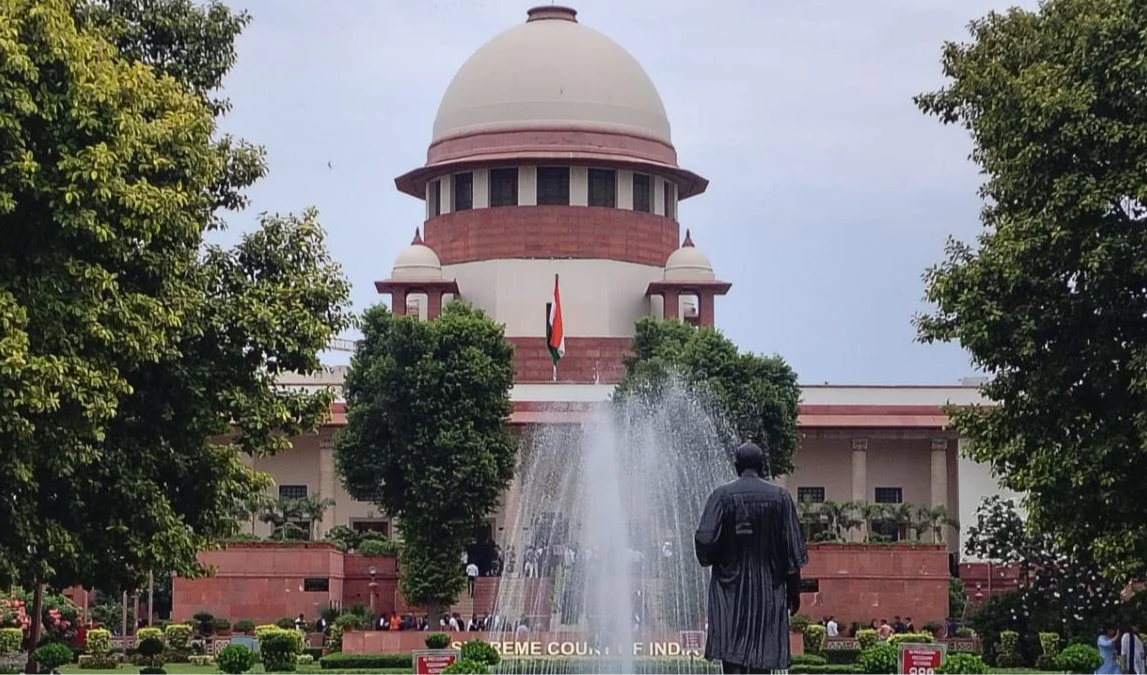
    The National Council of Educational Research and Training (NCERT) has issued an unconditional apology and withdrawn a recently released Class 8 Social Science textbook following controversy surrounding a chapter discussing the role of the judiciary. The decision came ahead of a scheduled hearing in the Supreme Court of India, which had taken note of the matter and directed authorities to remove the publication from circulation.

    According to officials, the book titled “Exploring Society: India and Beyond” was released in February 2026 but was withdrawn shortly after concerns were raised regarding a section discussing challenges faced by the judicial system. Authorities have confirmed that both physical and digital versions of the textbook have been taken down and are no longer available.

    The development has sparked discussions among educators, legal experts, and policymakers about the sensitivity required when presenting institutional topics in school curricula.


    NCERT Issues Formal Apology

    In an official statement, NCERT acknowledged concerns related to the chapter and expressed regret over the matter. The organisation said its director and members had extended an “unconditional and unqualified apology” for the content included in Chapter 4 of the textbook.

    The council also confirmed that the entire book had been withdrawn from circulation.

    In a message shared on the social media platform X, the organisation stated that it regretted any inconvenience caused and appreciated the cooperation and understanding of stakeholders, including educators, parents, and students.

    NCERT added that it remains committed to maintaining high standards of accuracy, sensitivity, and responsibility in educational material.

    Education officials indicated that the chapter in question would be reviewed and potentially rewritten with inputs from appropriate authorities and subject experts before any future publication.


    Timeline of the Controversy

    The textbook’s Part 2 section, which included a chapter discussing issues related to the functioning of the judiciary, was released on February 23, 2026. According to official information, the book was withdrawn the following day after limited copies had been sold.

    Reports suggest that approximately 32 copies of the textbook were purchased before the decision to remove it from distribution was implemented.

    On February 25, the Supreme Court of India reportedly took note of the issue on its own motion after media reports highlighted the content of the chapter. The court subsequently issued directions regarding the immediate removal of the publication.

    A formal hearing in the matter has been scheduled for March 11, 2026, where the court is expected to examine the issue further.


    Court Observations on Educational Content

    In its earlier observations, the court expressed concern over the manner in which certain aspects of the judiciary were portrayed in the chapter. According to legal sources familiar with the proceedings, the court noted that the discussion of complaints and allegations against judges may not have adequately reflected the broader role played by the judiciary in upholding constitutional values.

    The court reportedly emphasised that educational content discussing public institutions should present a balanced perspective, particularly for students at an early stage of their academic development.

    Judicial authorities indicated that exposing young learners to potentially one-sided narratives about key democratic institutions could lead to misunderstandings about the functioning and responsibilities of those institutions.

    At the same time, the court clarified that its actions were not intended to suppress legitimate academic discussion or criticism. Instead, the concern was related to ensuring that educational material remains balanced, accurate, and contextually appropriate.


    Orders to Remove the Book from Circulation

    Following the initial hearing, the court directed NCERT, along with the Union and state education departments, to ensure that all copies of the textbook were removed from public access.

    The directive included both physical copies distributed to educational institutions and digital versions that may have been accessible online.

    Authorities were also instructed to prevent any further production or distribution of the publication until the matter is resolved.

    Legal observers noted that such orders are generally issued to prevent confusion among students and educators while the matter is under judicial consideration.


    Reactions from Education Experts

    The development has prompted discussion within the education community about the process of textbook preparation and review in India.

    Curriculum experts say that school textbooks play a critical role in shaping students’ understanding of governance, democracy, and public institutions. As a result, they stress the importance of careful editorial oversight and consultation with multiple subject specialists before publication.

    Some education analysts suggest that topics related to governance, law, and constitutional institutions require particular sensitivity because they often involve complex historical and political contexts.

    Others argue that textbooks should encourage critical thinking while also ensuring that discussions remain fact-based and balanced.

    The episode has also led to renewed calls for transparent review mechanisms during the curriculum development process.


    Role of NCERT in School Education

    The National Council of Educational Research and Training is one of India’s most prominent educational bodies responsible for developing school curriculum frameworks, textbooks, and teaching resources for various classes.

    Its publications are widely used by schools affiliated with the Central Board of Secondary Education (CBSE) as well as other institutions across the country.

    NCERT textbooks are often considered standard reference materials for millions of students due to their alignment with national curriculum guidelines.

    Given this influence, any changes or controversies related to NCERT publications tend to attract significant public and institutional attention.


    Importance of Judiciary in School Curriculum

    The judiciary is one of the three pillars of India’s democratic governance system, alongside the executive and the legislature. School curricula typically include chapters explaining the role of courts, constitutional rights, and the mechanisms available to citizens for seeking justice.

    Education experts believe that such chapters are important in helping students understand the functioning of democratic institutions and the legal framework that protects fundamental rights.

    However, they also stress that the presentation of such topics must be balanced and contextualised to avoid confusion or misinterpretation among younger readers.


    Next Steps and Possible Revisions

    NCERT officials have indicated that the controversial chapter may be rewritten after consultations with academic experts and relevant authorities.

    The organisation has also signalled its willingness to cooperate fully with judicial proceedings and to implement any recommendations that may arise from the ongoing review.

    Educational authorities expect that any revised content will undergo a more extensive review process before being included in future editions of the textbook.

    Meanwhile, schools and teachers have been advised not to use the withdrawn publication until further notice.


    Broader Implications for Educational Publishing

    The incident highlights the challenges faced by educational institutions when addressing sensitive topics within school curricula.

    Experts note that in an era where information spreads rapidly through digital platforms, controversies around educational content can quickly attract national attention.

    This has led many educators to emphasise the need for collaborative curriculum development involving historians, legal scholars, teachers, and policymakers.

    Such collaboration, they say, can help ensure that textbooks remain accurate, balanced, and suitable for students at different stages of learning.


    Looking Ahead

    As the court prepares to hear the case on March 11, attention remains focused on how the issue will be resolved and what guidelines may emerge regarding the preparation of educational materials in the future.

    For now, NCERT’s decision to withdraw the textbook and issue an apology appears to be an attempt to address concerns while the matter is under judicial review.

    Education experts say the outcome of the proceedings could influence how future textbooks approach discussions about public institutions and governance in India’s school curriculum.


    Click here to Read More
    Previous Article
    Carlos Alcaraz Stages Comeback Victory to Reach Fourth Round at Indian Wells
    Next Article
    Scientists Urge Review of Project Cheetah, Suggest Ending Import of African Cheetahs

    Related National Updates:

    Are you sure? You want to delete this comment..! Remove Cancel

    Comments (0)

      Leave a comment