Yugcharan News / 21-09-2026
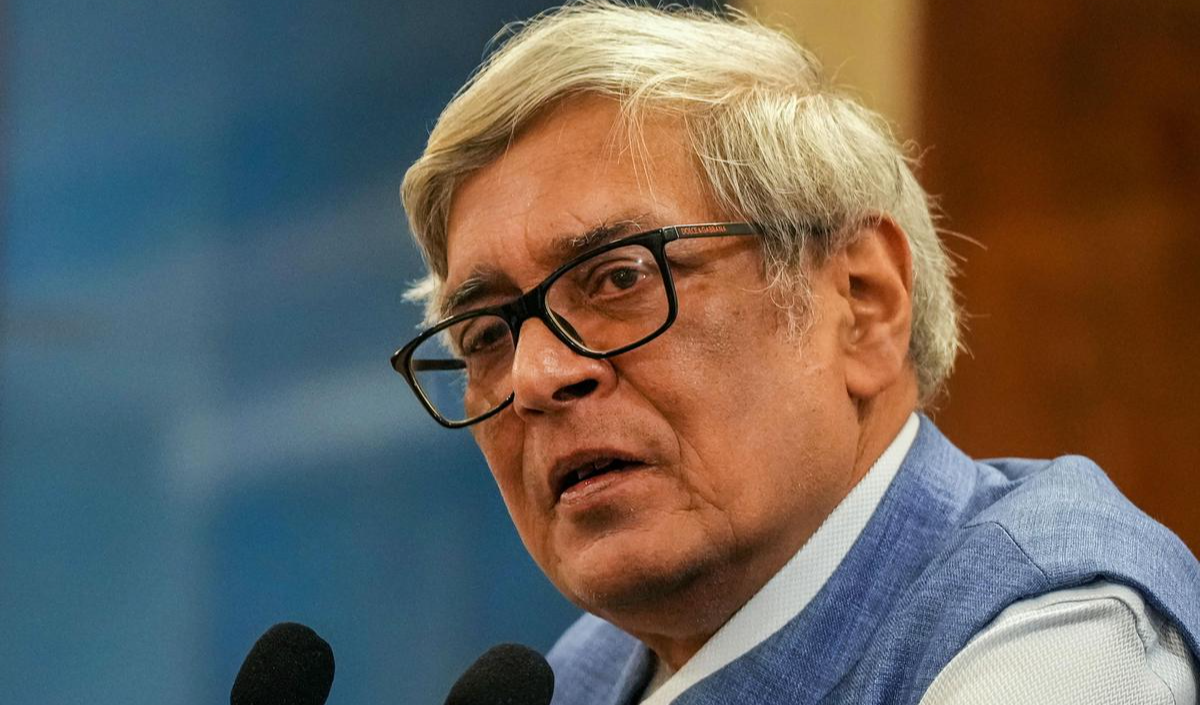
The ongoing Special Intensive Revision (SIR) of electoral rolls in Delhi has drawn attention after the name of economist and Padma awardee Bibek Debroy, who died in November 2024, appeared in the draft electoral roll and was flagged for a verification notice.
Several prominent political leaders, senior government officials and constitutional functionaries have also been identified during the exercise because of discrepancies in their electoral records. External Affairs Minister S. Jaishankar, veteran Bharatiya Janata Party leader and former Deputy Prime Minister L.K. Advani, Election Commissioner Sukhbir Singh Sandhu and former Delhi Deputy Chief Minister Manish Sisodia are among the prominent names flagged during the revision process.
The Election Commission's exercise is aimed at checking and updating electoral records in Delhi. Officials have clarified that receiving a notice does not automatically mean that a voter's name will be deleted from the electoral roll. The notices are part of the verification and claims-and-objections process, during which voters can provide documents and explanations regarding discrepancies in their records.
Bibek Debroy’s Name Appears in Draft Roll
The inclusion of Bibek Debroy's name has become one of the most notable cases in the current SIR exercise because the economist passed away nearly two years before the publication of the draft electoral roll.
Debroy, who served as chairman of the Prime Minister's Economic Advisory Council and was a well-known economist and public intellectual, died in November 2024. His name nevertheless appeared in the draft roll and was placed in the category described as “unmapped with last SIR.”
According to election officials, the appearance of his name does not indicate that authorities were unaware of his death. Officials said they were aware that Debroy had died and that his name would be excluded from the final electoral roll.
The issue arose because certain names that had already been flagged in the electoral database were retained in the draft roll under instructions connected with the SIR process. The purpose was to allow the claims-and-objections process to collect or verify the necessary documents before the final roll is prepared.
A senior poll official said Debroy's entry had been flagged as unmapped with the previous SIR and that authorities were aware of his death. The official indicated that his name would not remain in the final list.
The case illustrates the distinction between the draft electoral roll and the final electoral roll. A name appearing in the draft does not necessarily mean that the person will remain on the final list.
What Does ‘No Mapping’ Mean?
The “no mapping” or “unmapped with last SIR” category relates to the inability to establish a link between a voter's current record and the electoral roll prepared during the previous intensive revision exercise.
In Delhi, the previous SIR electoral roll dates back to 2002. During the latest exercise, voters were required to submit enumeration forms, following which electoral authorities attempted to match their details with earlier records.
Where such a link could not be established, the record could be placed in the unmapped category. Other voters were flagged because of what officials described as “logical discrepancies,” including mismatches involving names or family details.
The Delhi Chief Electoral Officer's office has said that notices are generated to enable verification and correction of such records. The office has also stressed that the issuance of a notice should not be interpreted as an immediate decision to remove a person from the electoral roll.
According to officials cited in recent reports, more than 33 lakh electors were identified for notices because of discrepancies in their enumeration forms. More than 31.63 lakh notices had been served as of the latest updates.
S. Jaishankar Among Those Flagged
External Affairs Minister S. Jaishankar is among the prominent living voters whose electoral records have been flagged during the SIR exercise.
Jaishankar and his wife, Kyoko Jaishankar, were reported to have been categorised as “unmapped with last SIR”. They are registered voters in the Sunder Bagh electoral part of the New Delhi Assembly constituency.
The notice in such cases is connected with verification of the information submitted during the enumeration process. It does not itself constitute a final decision to remove the name from the electoral roll.
The Delhi CEO's office has specifically stated that no elector can have their name deleted merely because a notice has been issued. According to the clarification, a voter must be given an opportunity to be heard, followed by a proper order that can be challenged through the prescribed appeal process.
This clarification has become important as the SIR process has generated questions about the status of voters whose records have been flagged.
L.K. Advani and Manish Sisodia Also Identified
Former Deputy Prime Minister L.K. Advani and former Delhi Deputy Chief Minister Manish Sisodia are also among the prominent names identified during the exercise.
Advani, his daughter Pratibha and daughter-in-law Geetika were reported to have received notices after their names could not be mapped to the 2002 SIR electoral roll. Advani's son Jayant was reported to have cleared the mapping process. The family members are voters in the New Delhi Assembly constituency.
Sisodia, his wife Seema and their son Meer have also been included among those facing notices. Reports said the specific reasons differed within the family, with discrepancies relating to details such as a parent's name and a mismatch in the voter's own name.
Election officials have maintained that these cases will be dealt with through the same verification mechanism applicable to other voters.
Other prominent individuals reported to have been flagged include former Vice-President Jagdeep Dhankhar, former Delhi Chief Minister Arvind Kejriwal and senior officials from the civil services and other government institutions.
Election Commissioner Sukhbir Singh Sandhu’s Record Flagged
Election Commissioner Sukhbir Singh Sandhu has also figured in the list of voters whose records were flagged during the SIR exercise.
Sandhu, who is a voter in the Delhi Cantonment constituency, was identified over a discrepancy described as a “self-name mismatch”. Subsequent reporting indicated that his documents were verified and his electoral entry was validated for inclusion in the final roll.
The case demonstrates that being flagged does not necessarily result in removal. Verification can resolve the discrepancy when the elector provides the required documentation or when officials establish the correctness of the existing record.
Similar issues have been reported in the records of several senior bureaucrats and government officials.
More Than 33 Lakh Voters Identified
The scale of the Delhi SIR exercise is considerably larger than the prominent cases that have attracted public attention.
The draft electoral roll published on August 31 contained more than 97 lakh voters. Around 33.13 lakh electors were subsequently identified for notices because of discrepancies in information submitted through enumeration forms.
The notices largely concern two broad categories: voters whose records could not be linked with the previous SIR roll and voters whose submitted information contained what officials classify as logical discrepancies.
The door-to-door enumeration process was conducted between June 30 and August 17. Voters whose records were flagged have been given an opportunity to respond and submit supporting documents to the relevant Electoral Registration Officer or Booth Level Officer.
The claims-and-objections stage is scheduled to continue through September 30, while voters receiving notices have been asked to submit their replies and supporting documents by October 29. The final electoral roll is scheduled to be published on November 4.
Notices Do Not Mean Automatic Deletion
The Delhi Chief Electoral Officer's clarification is central to understanding the current controversy.
Officials have said that the purpose of the notices is to resolve discrepancies and verify electoral records. The CEO's office has specifically stated that the issuance of a notice does not mean that an elector's name will automatically be removed.
“No name can be deleted without giving an opportunity of being heard and a proper speaking and appealable order,” the CEO office said, according to the New Indian Express report.
Officials have also said that the names of voters such as Advani, Jaishankar and Sisodia can remain in the final roll after the required verification is completed and the relevant facts and documents are found to be in order.
In the case of Debroy, however, officials have acknowledged that he died in 2024 and have said that his name will be excluded from the final electoral roll.
Supreme Court Hearing Adds to Scrutiny
The Delhi SIR process is also facing legal scrutiny. The Supreme Court is scheduled to hear a petition concerning the electoral roll revision and the notices issued to voters.
A petition before the court has sought greater transparency regarding the names of voters receiving notices and the reasons for the notices. The petition also raises questions concerning the deletion of names from the draft roll and the criteria used to classify discrepancies.
The court proceedings could provide further clarity on the procedures being followed during the revision and the safeguards available to voters whose records have been flagged.
For now, election officials continue to maintain that the SIR is a verification exercise and that the notice process is not, by itself, a final determination on a voter's eligibility.
The appearance of Bibek Debroy's name has nevertheless highlighted the importance of carefully distinguishing between the draft and final electoral rolls. His case, along with the records of senior political leaders, government officials and other prominent voters, shows the range of entries being subjected to verification.
As the claims-and-objections process continues, voters who have received notices are expected to submit the necessary documents before the prescribed deadlines. The final electoral roll will determine which names remain after the verification process is completed.