Search

    Language Settings
    Select Website Language

    GDPR Compliance

    We use cookies to ensure you get the best experience on our website. By continuing to use our site, you accept our use of cookies, Privacy Policy, and Terms of Service.

    India Launches ‘Seafarer-First’ Initiative After Indian Sailor Killed in Strait of Hormuz Attack

    13 hours ago

    Yugcharan News / 15 July 2026

    The Government of India has announced a comprehensive "Seafarer-First" initiative to safeguard Indian sailors working aboard merchant vessels in the conflict-affected waters of the Persian Gulf, Strait of Hormuz, and Gulf of Oman. The decision comes after a deadly missile attack on two commercial oil tankers claimed the life of an Indian seafarer and left several others injured, prompting New Delhi to strengthen its emergency response for maritime workers operating in one of the world's most sensitive shipping corridors.

    Union Minister for Ports, Shipping and Waterways Sarbananda Sonowal unveiled the new initiative on Tuesday, describing it as a coordinated, whole-of-government effort aimed at protecting Indian seafarers irrespective of the nationality or registration of the vessels they serve on. The move reflects India's growing concern over escalating tensions in West Asia, where attacks on commercial shipping have intensified in recent weeks.

    Government to Track Every Indian Seafarer

    As part of the new strategy, the Directorate General of Shipping (DGS) has been instructed to establish a comprehensive operational dashboard that will monitor every Indian seafarer aboard vessels operating in the Persian Gulf, Strait of Hormuz, and Gulf of Oman.

    According to the Ministry, the digital platform will provide real-time information on vessel location, ownership, cargo details, crew composition, voyage plans, welfare status, threat assessments, next port of call, and the availability of emergency facilities. Officials believe that such a system will significantly improve India's ability to respond quickly during maritime emergencies while ensuring that every Indian sailor can be accounted for during periods of conflict.

    The government said the initiative demonstrates its commitment to placing the welfare and safety of Indian seafarers at the centre of its maritime policy.

    Deadly Missile Attack Sparks Immediate Response

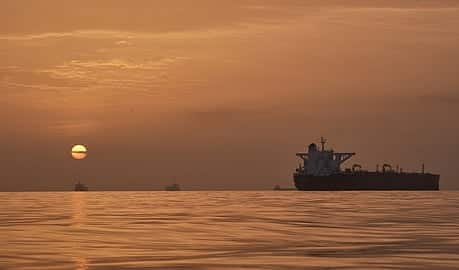
    The announcement follows missile attacks on two Emirati oil tankers—MT Al Bahiyah and MT Mombasa—while they were transiting through the Strait of Hormuz, one of the world's busiest and most strategically important energy shipping routes.

    The two vessels reportedly carried a combined crew of 46 members, including 30 Indian nationals. During the attacks, Indian seafarer Rohan Kumar lost his life aboard MT Al Bahiyah, while another Indian crew member suffered injuries. On MT Mombasa, nine Indian sailors were injured, with two reportedly remaining in serious condition.

    The incidents have highlighted the increasing risks faced by merchant shipping as military tensions continue to rise across the region. The Strait of Hormuz remains a critical passage for global oil and liquefied natural gas exports, making any disruption a matter of international concern.

    High-Level Meeting Reviews Maritime Security

    Following the attacks, Union Minister Sarbananda Sonowal chaired a high-level emergency review meeting attended by officials from the Ministry of Ports, Shipping and Waterways, the Ministry of External Affairs, the Indian Navy, the Directorate General of Shipping, Indian diplomatic missions in Iran and Oman, and several maritime agencies.

    The meeting focused on reviewing the rapidly evolving security situation in the Persian Gulf and examining contingency plans to ensure the safety of Indian crew members serving on commercial vessels.

    Officials discussed the need for continuous monitoring of Indian ships, rapid communication channels, emergency evacuation procedures, and enhanced coordination between government agencies operating both within India and overseas.

    Liaison Officers to Assist Every Affected Family

    One of the key decisions taken during the meeting was the appointment of dedicated liaison officers for every Indian seafarer affected by the ongoing crisis.

    Each liaison officer will serve as the primary point of contact for the families, providing regular updates regarding medical treatment, travel arrangements, documentation, repatriation procedures, insurance claims, welfare fund assistance, pending wages, contractual entitlements, and compensation matters.

    Officials said the objective is to ensure that affected families receive uninterrupted support without having to coordinate separately with multiple government departments.

    Government Condemns Attacks on Merchant Ships

    Expressing deep sorrow over the loss of the Indian sailor, Sarbananda Sonowal strongly condemned the attacks on civilian merchant vessels.

    He stated that commercial ships carrying essential goods and energy supplies should never become targets during armed conflicts. The Minister described Indian seafarers as key contributors to global trade and supply chains and assured that the government would extend every possible assistance to those affected.

    He also conveyed condolences to the family of the deceased sailor and wished a speedy recovery for those injured in the attacks.

    The government reiterated that protecting Indian citizens working overseas remains one of its highest priorities during the current crisis.

    International Coordination Intensified

    The Ministry has instructed officials to maintain close coordination with Indian embassies and diplomatic missions in Iran, Oman, and the United Arab Emirates, as well as with maritime authorities and international organisations.

    Authorities will gather real-time updates regarding navigational safety, shipping advisories, safe transit routes, port facilities, emergency medical evacuation options, repatriation arrangements, and investigations into the attacks.

    The government also confirmed that it has raised concerns regarding attacks on merchant vessels before relevant international maritime bodies, stressing the importance of protecting civilian shipping and ensuring freedom of navigation under international law.

    Fresh Safety Measures for Shipping Companies

    Under the new protocol, every vessel operating through conflict-prone waters will be required to conduct a fresh threat assessment before beginning its voyage.

    Ship masters will be expected to exercise professional judgement while coordinating with maritime security agencies regarding the safest possible routes.

    The government has also directed shipowners, vessel managers, and Recruitment and Placement Service Licence (RPSL) agencies employing Indian seafarers to submit compliance reports confirming that no Indian crew member is being forced to sail without adequate information regarding security risks or without necessary protection measures.

    Officials believe these guidelines will improve preparedness and reduce risks for Indian sailors serving in high-threat maritime zones.

    24-Hour Helpline Activated

    To strengthen support for affected families, the government has activated a 24x7 grievance and assistance system for Indian seafarers.

    Help will be available through dedicated telephone helplines, WhatsApp services, email support, and coordination centres established by the Directorate General of Shipping.

    Families seeking updates regarding medical treatment, evacuation, repatriation, compensation, or other emergency assistance will be able to contact designated officials around the clock.

    Growing Regional Conflict Raises Maritime Concerns

    The latest attacks have once again highlighted the fragile security environment in West Asia, where ongoing hostilities have increasingly affected international shipping routes.

    The Strait of Hormuz remains one of the world's most critical maritime chokepoints, handling a significant share of global oil exports. Any disruption in the region not only threatens commercial shipping but also has wider implications for international trade, energy markets, and global supply chains.

    With thousands of Indian seafarers serving aboard merchant vessels across international waters, the government has emphasised that proactive monitoring and coordinated emergency response have become essential.

    Government Reaffirms Commitment to Indian Seafarers

    Concluding the review meeting, Union Minister Sarbananda Sonowal reaffirmed that India's response would remain firmly centred on the welfare of its maritime workforce.

    He stated that the newly launched "Seafarer-First" initiative represents a comprehensive effort to protect Indian seafarers through real-time monitoring, inter-agency coordination, family assistance, diplomatic engagement, and enhanced maritime safety measures.


    As tensions continue in the Persian Gulf and surrounding waters, the government has assured that it will closely monitor developments and take all necessary steps to safeguard Indian citizens serving aboard commercial vessels while ensuring the uninterrupted movement of global maritime trade.

    Click here to Read More
    Previous Article
    US Releases Footage of Fresh Strikes on Iran as Regional Tensions Escalate
    Next Article
    India-UK Free Trade Agreement Begins: What It Means for Businesses, Exporters, and Consumers

    Related National Updates:

    Are you sure? You want to delete this comment..! Remove Cancel

    Comments (0)

      Leave a comment