Search

    Language Settings
    Select Website Language

    GDPR Compliance

    We use cookies to ensure you get the best experience on our website. By continuing to use our site, you accept our use of cookies, Privacy Policy, and Terms of Service.

    US and Iran Explore Phased Deal to Reopen Strait of Hormuz and Lift Economic Blockade

    18 hours ago

    Yugcharan News / 25-09-2026

    The United States and Iran are exploring a possible phased arrangement aimed at ending their nearly seven-month conflict, with negotiations in New York reportedly focusing on reopening the strategically important Strait of Hormuz in exchange for Washington easing or lifting its economic blockade on Tehran, according to sources familiar with the discussions.

    The proposed arrangement remains under discussion and no final agreement has been reached. The negotiations are complicated by the fact that both Washington and Tehran are seeking to preserve the leverage they have built during the conflict. Iran controls access to the Strait of Hormuz, one of the world's most important energy transit routes, while the United States has imposed economic pressure and sanctions that have significantly affected Iran's economy.

    Hormuz Emerges as Central Issue in Negotiations

    According to sources cited by Reuters, the Strait of Hormuz has become the key bargaining point in diplomatic efforts to bring the conflict to an end. Tehran is seeking relief from the US economic blockade, while Washington wants unrestricted navigation through the waterway and the restoration of international shipping access.

    A senior Iranian official told Reuters that a phased approach could provide a way out of the current impasse. Under the proposal, Iran would allow navigation through Hormuz while the United States would lift its economic blockade. Tehran could also potentially gain access to frozen assets as part of a broader arrangement.

    The official described the first stage as ending the blockade and reopening the Strait of Hormuz. However, the proposal is complicated by the history of previous understandings between the two countries. An earlier arrangement reportedly collapsed in July, raising questions about whether any new agreement could provide sufficient guarantees to both sides.

    The negotiations therefore involve not only determining what each side is prepared to concede but also establishing whether those concessions can be sustained over time.

    Both Sides Seek to Preserve Negotiating Leverage

    The principal obstacle to an agreement is reportedly the reluctance of either side to surrender its strongest bargaining tool before receiving something in return.

    For Washington, economic pressure on Iran remains a major element of its strategy. The United States has imposed additional sanctions and other restrictions, including measures targeting Iranian commercial aviation and networks linked to the country's economy and security establishment. Reuters reported that the US campaign has also focused on Iran's oil exports, an important source of foreign currency for Tehran.

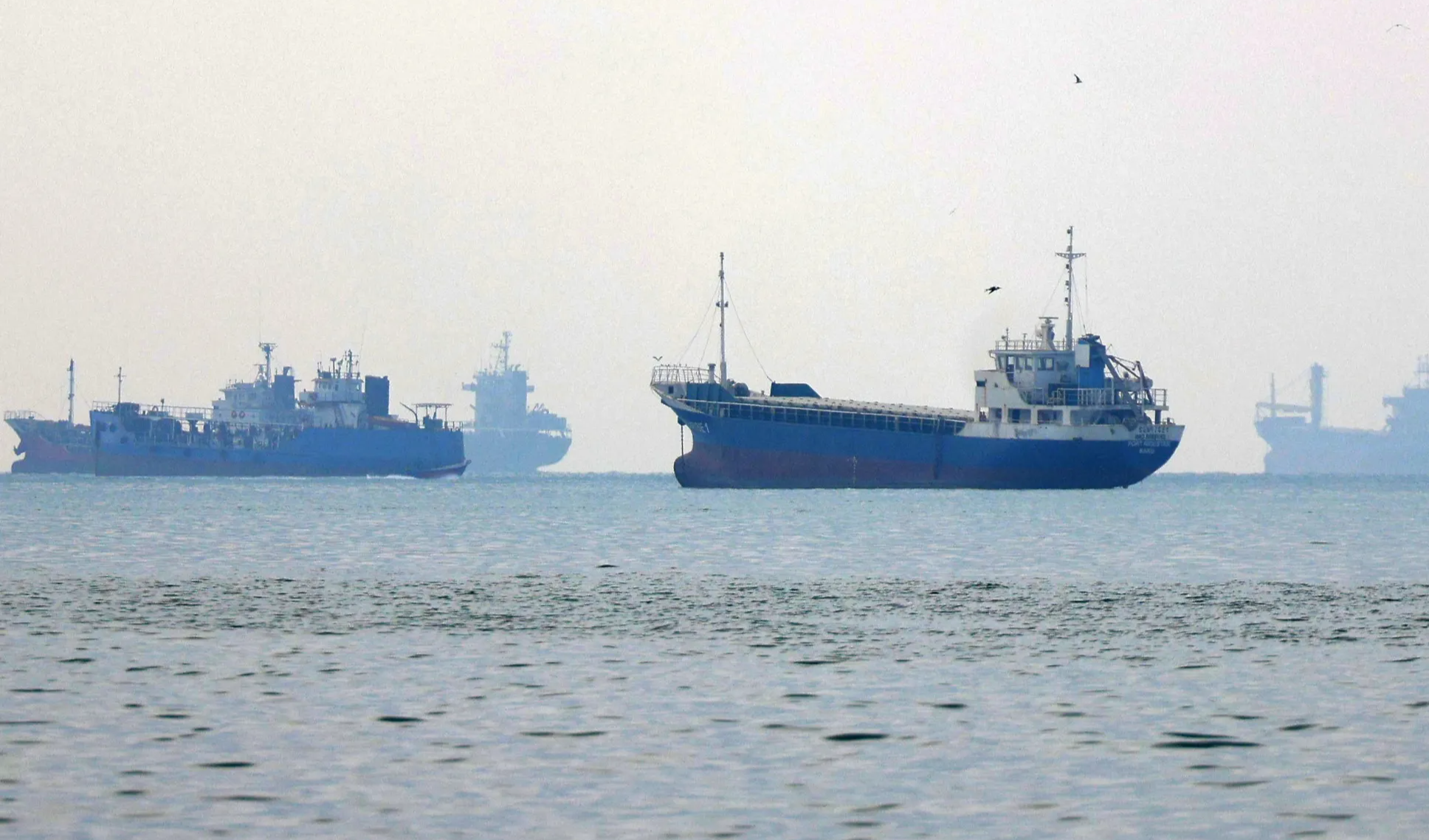
    For Iran, the Strait of Hormuz provides a significant source of leverage because of its importance to international energy transportation. The waterway connects the Persian Gulf with the Gulf of Oman and is a major route for oil shipments.

    Regional sources told Reuters that Tehran may be willing to move its demand for transit payments out of the main agreement and place the issue in a separate attachment. The sources said ending the US blockade had become the more immediate priority for Iran.

    Gulf states, however, have rejected the idea of Iran receiving transit fees, according to the report. Any temporary accommodation over the issue would not necessarily represent a formal abandonment of Iran's broader position concerning its administrative control of the waterway.

    US Position Remains Focused on Pressure

    The administration of US President Donald Trump has maintained that Washington has considerable leverage over Tehran and that Iran faces substantial economic pressure.

    A White House official cited in the Reuters report said Trump remained open to negotiations under the right circumstances but did not believe the United States needed to negotiate from a position of weakness. The official described the US position as strong and said Washington would make decisions based on what it considered to be in the country's interests.

    Trump has also indicated that an agreement with Iran could come after the November 3 US congressional midterm elections. A senior European official, meanwhile, said Iran had a lengthy list of demands.

    The timing of the elections has therefore become an important factor surrounding the negotiations, although it is not clear whether the discussions will produce an agreement before the vote.

    Former US negotiator Dennis Ross told Reuters that he assessed the chances of an agreement before the elections at 30%. He also argued that both sides could have incentives to reach an arrangement before the midterms rather than afterward.

    Economic and Energy Implications

    The Strait of Hormuz is critical to global energy markets, making the negotiations significant well beyond the United States and Iran.

    A reopening of the waterway could reduce concerns surrounding shipping and energy supplies in the Gulf. It could also ease some of the pressure on international oil markets if vessels are able to move more freely through the strategic route.

    For Iran, an easing of the economic blockade could provide relief from restrictions affecting oil exports and other economic activity. Access to frozen assets, if included in any eventual agreement, could provide another potential source of financial relief.

    However, the precise terms of any deal remain uncertain. The two sides continue to disagree over the sequence in which concessions should be made. Washington wants pressure to result in Iranian concessions, while Tehran is seeking relief from that pressure before making significant commitments.

    Gulf States Seek De-escalation

    The negotiations are also being closely watched by Gulf countries, which have a direct interest in the security of regional waterways.

    Regional leaders reportedly raised questions with Trump during meetings in New York about Washington's objectives beyond the November midterm elections. They also sought clarity on whether the United States could resume military action if Iran failed to return to negotiations.

    According to regional sources cited by Reuters, Gulf leaders rejected Iranian control over the Strait of Hormuz and stressed the importance of freedom of navigation. At the same time, they have pushed for de-escalation and a political process to prevent the region from being drawn into a prolonged conflict.

    Ebtessam al-Ketbi, president of the Emirates Policy Center in Abu Dhabi, said uncertainty remained over the US administration's long-term objectives and the alternative to its pressure campaign.

    She contrasted Washington's position with what she described as a clearer Iranian objective involving the strategic waterways of Hormuz and Bab el-Mandeb. The Bab el-Mandeb Strait links the Red Sea with the Gulf of Aden and is another important maritime route.

    Iran Warns of Continued Military Risk

    Despite the diplomatic discussions, Iranian officials have indicated that Tehran is preparing for the possibility of renewed military confrontation.

    A senior Iranian official told Reuters that Iran continued to view the US economic blockade and threat of force as forms of pressure. The official said Tehran was seeking a diplomatic solution but warned that the prospects for diplomacy remained uncertain because of what Iran considers excessive US demands.

    Other analysts cited in the report offered differing assessments of how economic pressure could influence Tehran's behaviour. Former US negotiator Alan Eyre said the blockade was placing significant pressure on Iran but argued that the pressure could also encourage Tehran to resist rather than compromise.

    Danny Citrinowicz, a regional analyst and former Israeli military intelligence officer, said the New York discussions had not fundamentally changed the positions of either side.

    Diplomatic Window Remains Uncertain

    The negotiations in New York are taking place against the backdrop of an extended US-Iran conflict, economic pressure on Tehran and continuing concerns over maritime security in the Gulf.

    For Washington, reopening Hormuz would address an important international shipping and energy concern while potentially reducing regional tensions. For Tehran, an agreement that lifts the blockade could provide urgently needed economic relief. The challenge is determining how these objectives can be combined without either side believing that it has surrendered its principal source of leverage.

    The November 3 US midterm elections have added another political consideration to the negotiations. Trump has indicated that an agreement could come after the elections, while some analysts cited by Reuters believe both sides may have reasons to reach an understanding beforehand.

    For now, the discussions remain exploratory. There is no confirmed final settlement covering the reopening of the Strait of Hormuz, the US economic blockade, frozen Iranian assets or the question of transit payments.

    The central issue remains whether Washington and Tehran can convert their respective leverage into a phased arrangement that both sides consider sufficiently durable. Until that happens, the Strait of Hormuz will remain at the centre of diplomatic efforts to bring the conflict to an end, while Gulf states and international energy markets continue to monitor developments closely.

    Click here to Read More
    Previous Article
    Woman Allegedly Ass*ulted, S*xually Harassed by Six Men at Bihar’s Mandar Hill; Police Register Case
    Next Article
    17-Year-Old Girl Allegedly G*ng-Rap*d at Delhi’s Aastha Kunj Park on Birthday, Three Arrested

    Related International Updates:

    Are you sure? You want to delete this comment..! Remove Cancel

    Comments (0)

      Leave a comment