Search

    Language Settings
    Select Website Language

    GDPR Compliance

    We use cookies to ensure you get the best experience on our website. By continuing to use our site, you accept our use of cookies, Privacy Policy, and Terms of Service.

    CJP Withdraws September 5 Delhi Protest After Centre Moves to Withdraw FIRs Against Student Protesters

    9 hours ago

    • Yugcharan News / 01-09-2026

      The proposed September 5 protest march in Delhi by the Cockroach Janata Party (CJP) has been withdrawn after the Centre informed the Supreme Court that steps had been initiated to withdraw criminal cases registered in connection with student protests held earlier this year.

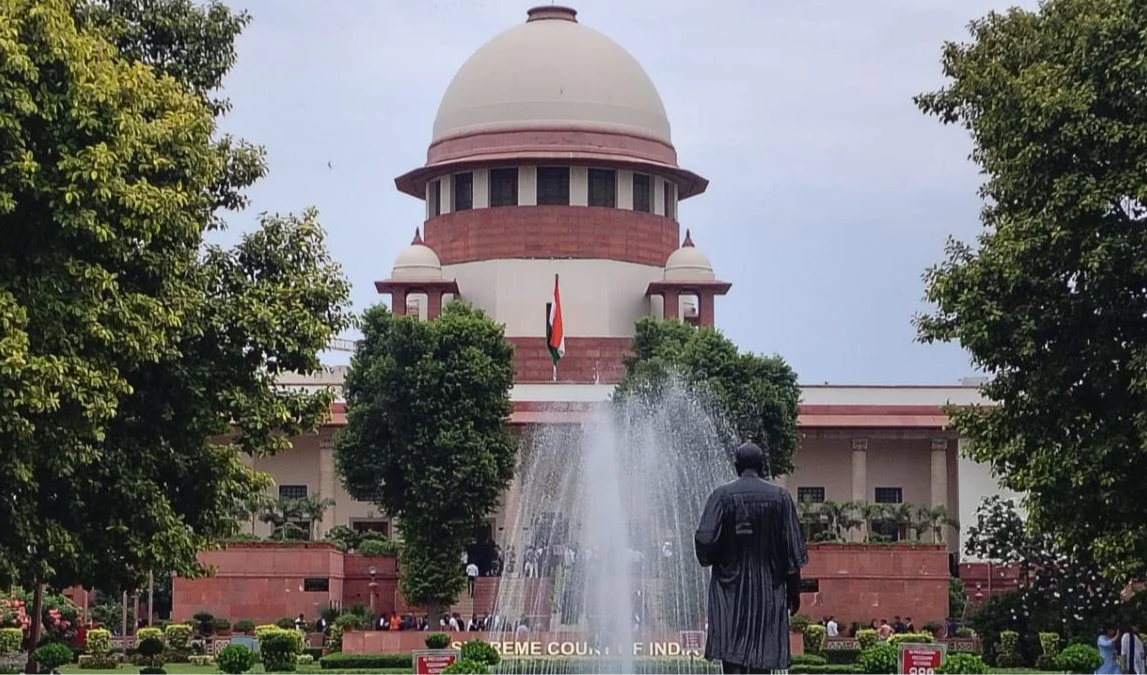
      The development came during a hearing before a bench headed by Chief Justice of India Surya Kant and comprising Justice Joymalya Bagchi and Justice V. Mohana. CJP spokesperson and co-convener Saurav Das appeared before the Supreme Court on Tuesday and formally conveyed the organisation’s decision to call off the planned demonstration.

      The withdrawal of the protest followed assurances placed before the court by Solicitor General of India Tushar Mehta regarding action being taken by the Centre and several state governments concerning FIRs registered against protesters.

      Centre Assures Supreme Court of Action on Protest-Related Cases

      During the hearing, Solicitor General Tushar Mehta informed the bench that applications had been filed seeking the quashing of FIRs connected with student protests. According to the submission made before the court, the Centre, acting through the Delhi Police, along with the governments of Bihar, Assam, West Bengal and Maharashtra, had taken steps in this regard.

      The Solicitor General said the applications were intended to honour an assurance that had been given to representatives of the CJP during discussions held on July 25.

      The court was also informed that the authorities had assured that no fresh FIRs would be registered in relation to the protest events that took place between July 20 and July 25.

      The development was significant because the proposed September 5 march had been announced by the CJP after the organisation alleged that earlier commitments made by the government had not been implemented within the expected timeframe.

      The government’s submissions before the Supreme Court appeared to address one of the principal concerns raised by the organisation — the withdrawal of criminal cases against student protesters.

      Saurav Das Announces Withdrawal of March

      Following the submissions by the Solicitor General, Saurav Das addressed the Supreme Court and formally announced that the CJP would withdraw its call for the September 5 march.

      Das told the bench that the organisation had taken the decision in view of the assurances provided by the Government of India and the judicial backing given to those assurances through the proceedings before the Supreme Court.

      He also indicated that the organisation expected the commitments made before the court to be implemented.

      The CJP spokesperson expressed appreciation for the role played by the Supreme Court and the lawyers representing both sides during the proceedings. He also acknowledged the efforts of senior advocate Vrinda Grover and the Solicitor General in facilitating discussions and bringing the issue before the court.

      The decision effectively brings an end, at least for the present, to the proposed demonstration that was expected to draw attention to the cases filed during the student protests.

      Supreme Court Encourages Dialogue

      Chief Justice Surya Kant welcomed the decision and stressed the importance of maintaining good faith between the parties.

      The Chief Justice observed that when both sides approach an issue constructively, even complicated disputes can be addressed through discussion and mutual understanding.

      The court’s remarks highlighted the importance of dialogue in resolving disputes surrounding protests, criminal cases and government assurances.

      The Solicitor General also told the bench that the two sides had acted constructively during the process rather than approaching the matter as adversaries.

      The observations from the bench came at a time when the dispute had moved beyond the question of the proposed protest and into the broader issue of how cases registered during the earlier demonstrations should be dealt with.

      Background to the September 5 Protest

      The CJP had announced the September 5 march on August 24. The organisation had alleged that the Centre had failed to fulfil assurances that had resulted in the withdrawal of its earlier prolonged agitation.

      The earlier negotiations reportedly took place on July 25, following protests connected with allegations concerning examination irregularities.

      The CJP had subsequently raised concerns about delays in withdrawing FIRs registered against students and protesters. The organisation had also alleged that the government had not provided a written assurance regarding commitments made during the July discussions.

      Against this background, the September 5 march was announced as a means of pressing the government to act on the commitments that had previously been made.

      The proposed demonstration was planned to begin at India Gate and proceed towards the New Delhi Police Headquarters.

      According to the organisation’s earlier announcement, families of NEET aspirants who had died by suicide, along with individuals who claimed to have been affected by police action during the July protests, were expected to participate in or lead the demonstration.

      The proposed march therefore carried both a legal and political dimension, with protesters seeking accountability over the handling of the earlier demonstrations and the cases registered during that period.

      FIRs Become Central Issue in Dispute

      The question of FIRs emerged as one of the most important points of disagreement between the government and the protest organisers.

      The CJP had maintained that the withdrawal of the earlier agitation was linked to assurances that cases against student protesters would be withdrawn. When the organisation believed that the process was taking longer than expected, it announced the September 5 demonstration.

      The government’s latest submissions before the Supreme Court sought to address that concern by informing the court about applications filed for quashing the FIRs.

      The proceedings also provided a judicial forum for recording the assurances and commitments made by the authorities.

      The Supreme Court subsequently passed an order concerning the FIRs connected with the student protests. The order, as reported in the proceedings, quashed FIRs linked to the protests across the country and also placed restrictions concerning the registration of future FIRs relating to the specified protest events.

      The development marked a significant turn in the dispute and created the circumstances under which the CJP decided to withdraw its proposed September 5 march.

      Focus Shifts to Implementation

      With the protest call withdrawn, attention is now likely to shift toward the implementation of the assurances and directions recorded during the Supreme Court proceedings.

      For the CJP, the decision to cancel the demonstration represents a response to the steps initiated by the government and the assurances placed before the court.

      For the authorities, the proceedings provide an opportunity to demonstrate that commitments made during the July negotiations are being acted upon through the appropriate legal process.

      The matter also highlights the role of the Supreme Court in facilitating a resolution between parties involved in a dispute arising from public protests.

      The Chief Justice’s emphasis on good faith and open discussion underscored the court’s broader approach to resolving contentious issues without allowing disagreements to escalate unnecessarily.

      The withdrawal of the September 5 march means that the planned demonstration at India Gate and the proposed march towards the New Delhi Police Headquarters will not take place as announced.

      However, the underlying issues surrounding student protests, examination-related concerns, police action and legal cases remain significant. The effectiveness of the latest developments will ultimately depend on how the assurances and court directions are implemented by the concerned authorities.

      For now, the CJP has chosen to suspend its planned street protest in response to the government’s latest commitments and the proceedings before the Supreme Court. The organisation has indicated that it expects full compliance with the assurances that led to its decision.

      The episode also demonstrates how negotiations, government action and judicial intervention can collectively influence the course of a public protest. With the Supreme Court now having taken cognisance of the matter and the Centre and states moving on the FIR issue, the immediate confrontation surrounding the September 5 march has been brought to a close.

    Click here to Read More
    Previous Article
    Bessent Says Strait of Hormuz Could Become ‘Worthless’ Within Two Years as US Plans More Iran Sanctions
    Next Article
    Air Vice Marshal Shakti Sharma Makes History as First Woman Non-Medical Officer to Reach the Rank in IAF

    Related National Updates:

    Are you sure? You want to delete this comment..! Remove Cancel

    Comments (0)

      Leave a comment