Search

    Language Settings
    Select Website Language

    GDPR Compliance

    We use cookies to ensure you get the best experience on our website. By continuing to use our site, you accept our use of cookies, Privacy Policy, and Terms of Service.

    Delhi Kashmere Gate Bus Gang-Rape Case: Forensic Evidence, Fingerprints Strengthen Police Investigation

    4 hours ago

    Yugcharan News / 02-09-2026

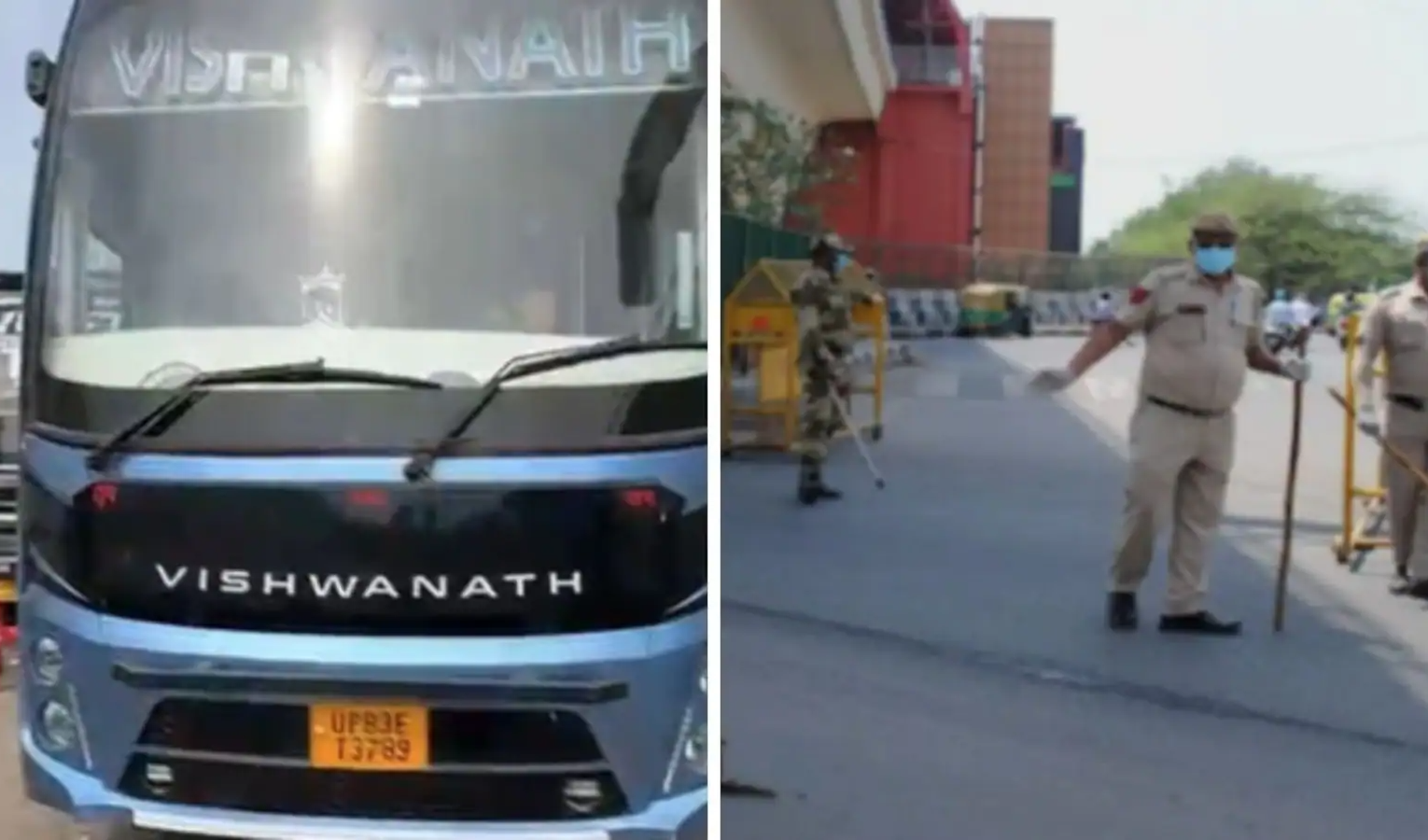
    The investigation into the alleged gang-rape of a teenage girl inside a moving sleeper bus in the Delhi-NCR region has gained significant momentum after forensic examination of the vehicle yielded crucial evidence. Although investigators found that the CCTV camera installed inside the bus was not operational at the time of the alleged incident, police have recovered fingerprints that reportedly belong to the survivor as well as the two accused men.

    The latest forensic findings have become an important part of the investigation as police work to establish the sequence of events inside the bus and build the case in the absence of direct video footage. According to the latest police-related reports, investigators are also awaiting DNA examination results, which could provide further evidence regarding the allegations.

    CCTV Camera Was Not Working

    The alleged incident dates back to August 4, when the teenager boarded a sleeper bus near Pari Chowk in Greater Noida. According to the investigation, the bus was subsequently involved in the alleged sexual assault before the girl was eventually left near the Kashmere Gate area of Delhi.

    One of the major challenges for investigators was the absence of CCTV footage from inside the bus. Police examination reportedly established that the camera installed inside the vehicle was not functioning when the alleged crime took place. As a result, there was no direct video recording of what happened inside the vehicle.

    The absence of operational surveillance equipment has raised concerns over safety arrangements in private sleeper buses, particularly on routes connecting different parts of the National Capital Region. CCTV systems are intended to act both as a deterrent and as an investigative aid. In this case, however, the non-functional camera meant investigators had to depend more heavily on forensic material, witness accounts and other forms of evidence.

    Police are reportedly examining whether the accused were aware that the camera was not working and whether this knowledge played a role in the alleged incident. At this stage, such aspects remain part of the investigation and would have to be established through evidence before any definitive conclusion can be reached.

    Fingerprints Provide Important Lead

    Despite the lack of CCTV footage, forensic investigators have reportedly recovered fingerprints from inside the bus. The examination found fingerprints belonging to the survivor and the two accused, identified in reports as driver Kuldeep and conductor Sandeep.

    The presence of the fingerprints is significant because it supports the police's contention that the two men were present inside the bus. Investigators are now expected to correlate the fingerprint evidence with other material collected from the vehicle to establish the circumstances surrounding the alleged offence.

    Fingerprint evidence by itself does not necessarily establish every element of a criminal allegation, but it can help investigators establish whether particular individuals were present at a location or had contact with specific surfaces. In a case where video evidence is unavailable, such forensic material can become particularly important when assessed alongside medical, biological, digital and circumstantial evidence.

    Police have therefore continued to collect and preserve material from different portions of the bus rather than relying on a single piece of evidence.

    Clothes of Driver and Conductor Seized

    Investigators have also seized the clothes worn by the bus driver and conductor for forensic examination. The purpose is to determine whether biological or other trace evidence can be recovered and matched with material collected during the investigation.

    Forensic samples have also reportedly been collected from the seats and steering wheel of the bus. These samples are being examined as investigators attempt to determine whether they contain material relevant to the alleged crime. The results could help establish contact between individuals and particular areas of the vehicle.

    The forensic process is particularly important because the alleged incident took place inside a confined moving vehicle, where multiple individuals could potentially have touched various surfaces. Investigators therefore need to distinguish between evidence that is directly relevant to the alleged incident and ordinary traces that may have existed inside the bus before or after the journey.

    DNA Report Still Awaited

    While fingerprint findings have provided investigators with an important lead, the DNA examination remains a key pending component of the case.

    According to police-related reports, samples collected from the bus and other material are being examined, with the DNA report yet to be received. Investigators are expected to compare the results with the relevant samples as part of the effort to establish whether biological evidence supports the allegations.

    The DNA findings could therefore play a major role in determining the strength of the prosecution's case. However, until the forensic reports are formally received and evaluated, conclusions about the exact role of individual accused persons should remain subject to the ongoing investigation and subsequent judicial proceedings.

    Investigation Following August 4 Incident

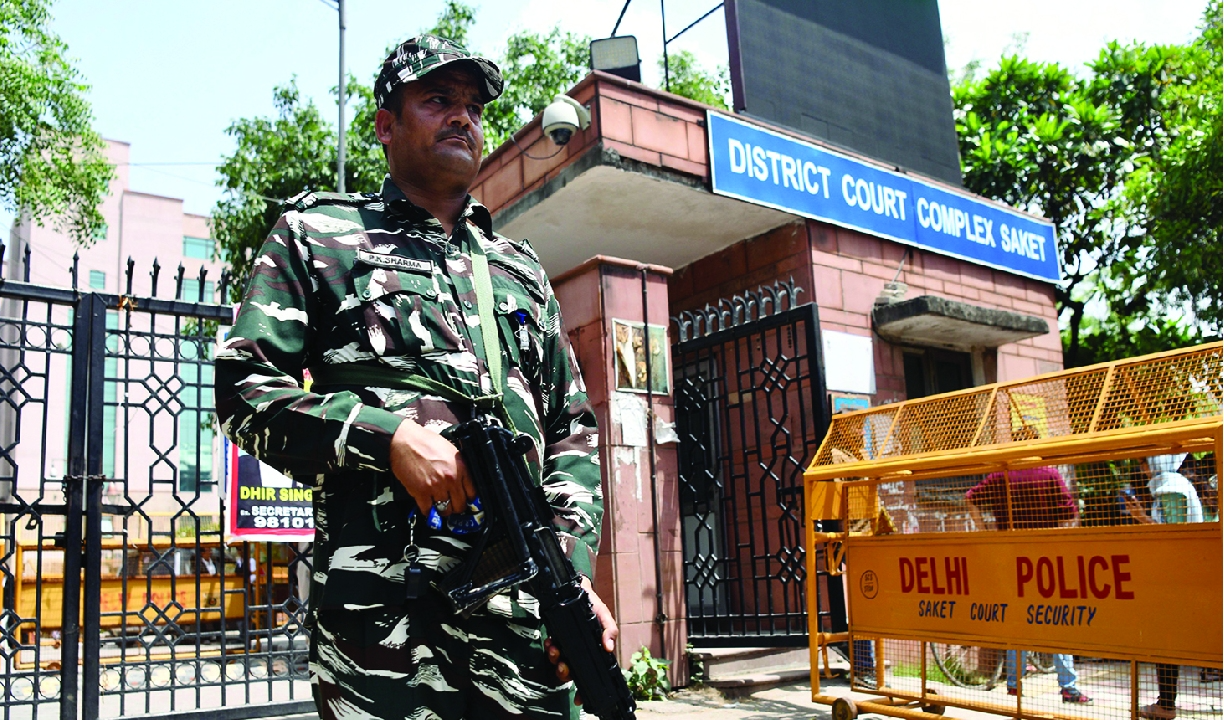
    The case came to light after the teenager approached the authorities and reported that she had allegedly been sexually assaulted inside a bus. The vehicle was subsequently traced and taken into custody for investigation.

    Reports indicate that the police used surveillance footage from locations outside the bus to track the vehicle and identify the suspected individuals. While the camera inside the bus did not provide evidence because it was reportedly non-functional, CCTV coverage from other locations reportedly assisted investigators in tracing the bus and reconstructing portions of its movement.

    The investigation has involved police teams from Delhi and the wider NCR region because the teenager boarded the bus in Greater Noida before the vehicle travelled towards Delhi. The movement across jurisdictional boundaries has also brought attention to the need for coordination between police forces in Delhi and Uttar Pradesh in cases involving public transport.

    The National Human Rights Commission has separately taken cognisance of the alleged incident and sought reports from the police authorities of Delhi and Gautam Buddh Nagar regarding the investigation and steps taken in the matter.

    Questions Over Safety of Sleeper Buses

    The case has also renewed concerns about security arrangements in private sleeper buses. Unlike many conventional public transport vehicles, sleeper buses contain enclosed sleeping compartments and can provide reduced visibility from outside. This makes functioning surveillance systems, emergency mechanisms and regular inspections particularly important.

    The discovery that the CCTV system inside the concerned bus was not functioning at the time of the alleged incident has intensified questions about whether operators are adequately maintaining mandatory or recommended safety equipment.

    Public transport safety experts and authorities are likely to face renewed pressure to examine whether private buses operating on inter-city and NCR routes are complying with safety requirements. Regular inspection of CCTV systems, emergency communication facilities, passenger manifests and driver-conductor verification could become important areas of scrutiny.

    Police Preparing for Chargesheet

    With fingerprints recovered and additional forensic examinations underway, investigators are reportedly moving towards completion of the case file. Police have indicated that a chargesheet will be submitted after the remaining evidence, particularly the DNA findings, is incorporated into the investigation.

    The filing of a chargesheet would mark an important stage in the legal process, but it would not by itself establish guilt. The evidence collected by investigators will ultimately be examined by the court, where the accused will have the opportunity to contest the allegations and present their defence.

    For now, the investigation remains focused on establishing what happened inside the bus on August 4, determining the individual roles of the accused and scientifically examining the available evidence.

    The case has highlighted how forensic investigation can become critical when conventional evidence such as CCTV footage is unavailable. The fingerprints recovered from the vehicle have provided police with an important investigative lead, while the pending DNA results and other forensic examinations may determine how strongly the available evidence supports the prosecution's case.


    As authorities prepare to submit the chargesheet, the focus will remain on ensuring that every piece of evidence is properly examined and presented before the court. At the same time, the incident has raised broader questions about the safety and monitoring of private sleeper buses operating across Delhi-NCR, particularly where vulnerable passengers are concerned.

    Click here to Read More
    Previous Article
    Delhi Court Frames Rape, Murder and Robbery Charges Against Former Domestic Help in IRS Officer’s Daughter Case
    Next Article
    अमन माहेश्वरी एलन कॅरियर इंस्टीट्यूट के बोर्ड आफ डायरेक्टर्स में शामिल

    Related National Updates:

    Are you sure? You want to delete this comment..! Remove Cancel

    Comments (0)

      Leave a comment