Yugcharan News / 21-10-2026
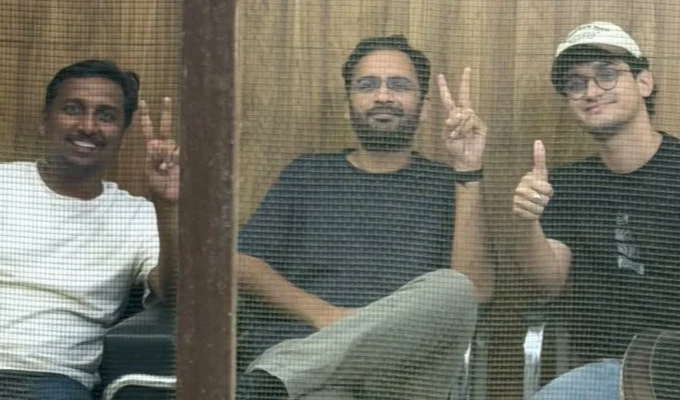
The Delhi High Court on Wednesday questioned Cockroach Janta Party (CJP) leaders Saurav Das and Ashutosh Ranka over their alleged attempt to enter Jantar Mantar after the location was de-notified as a designated protest site. Observing that “barricades have a purpose”, the court raised concerns about the consequences of breaching police restrictions during demonstrations and referred to incidents of arson and unrest in other countries.
The two leaders subsequently withdrew their petition challenging the extension of their judicial custody in a case involving an alleged violation of a peace bond. The High Court declined to entertain their plea, with the proceedings focusing on the procedure followed by authorities and the circumstances in which the duo had been taken into custody.
Das and Ranka have been in judicial custody since October 14 after allegedly scaling the locked gates of Jantar Mantar. The two leaders had previously led protests at the site alongside CJP founder Abhijeet Dipke. According to the Hindustan Times report, demonstrations organised by the group during June and July had contributed to a political controversy that resulted in the resignation of Education Minister Dharmendra Pradhan.
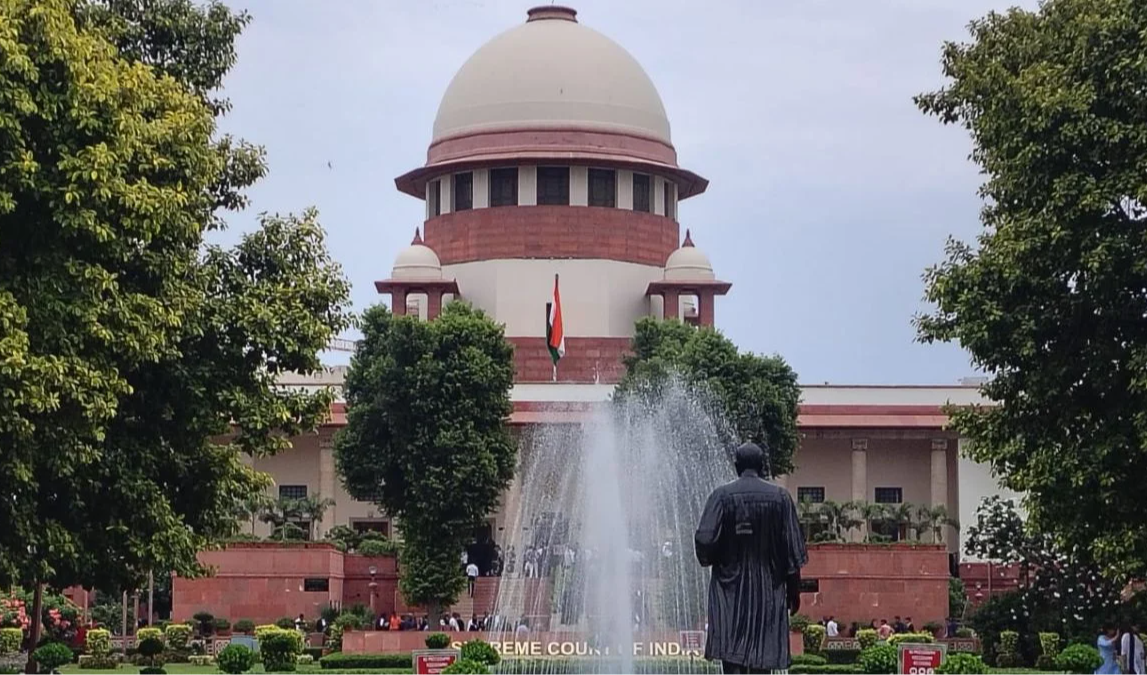
Jantar Mantar was de-notified as a designated protest venue earlier in October. The decision has separately been challenged before the Supreme Court and the Delhi High Court.
High Court Says Barricades Serve a Purpose
During Wednesday’s hearing, the High Court questioned the conduct of the petitioners, particularly their alleged decision to breach barricades despite not having permission to hold a protest at the location.
The court told their lawyer, Abhik Chimni, that barricades were installed for a purpose and that breaking them could encourage additional people to enter a restricted area.
“Barricade is there for a purpose… and when you break the barricade, there is a chance of 10-20 people coming,” the court remarked, according to the report.
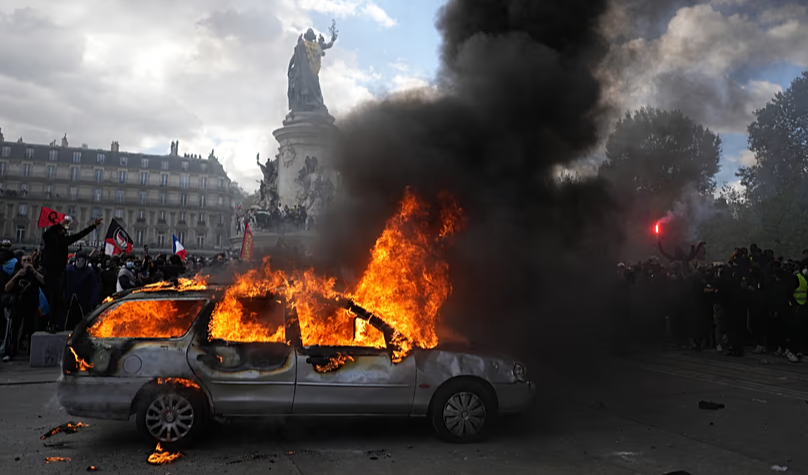
The judges also referred to violence and arson reported in other countries while discussing the possible consequences of gatherings that begin as peaceful demonstrations but may attract individuals who engage in disorder.
“We are seeing what is happening outside our country... Arson etc. You may have started with something you say is peaceful. For that purpose you take police permission which is to prevent unwanted persons who join your group and spoil your name,” the court was quoted as saying by Bar and Bench.
The observations came amid reports of violent protests in France, where authorities had imposed restrictions in parts of Paris following rioting and looting.
The court’s remarks highlighted the role of police permission and barricades in regulating public demonstrations. They also reflected judicial concerns about how a breach of restrictions could affect crowd control and public order.
The proceedings, however, concerned the legal challenge brought by Das and Ranka against the extension of their custody. The allegations regarding their conduct at Jantar Mantar remain allegations and should not be treated as a final finding of guilt.
Court Questions Procedure Relating to Bail Bonds
A key issue during the hearing was the procedure followed after the two leaders furnished bail bonds and were subsequently taken into custody again.
The High Court asked Chimni why the authorities had not followed the procedure prescribed under the Bharatiya Nagarik Suraksha Sanhita (BNSS) in connection with the alleged breach of the bail bonds.
The court observed that once bail bonds had been accepted and sureties furnished, a breach would ordinarily have to be addressed through the procedure provided by law.
“When your bail bonds are accepted, sureties are given. When a bail bond is broken there is a procedure in BNSS. Instead of following that procedure which can be forfeiting your surety etc, probably they are more benevolent to you by giving you fresh notice,” the court remarked.
The observation raised a question about the legal route adopted by the authorities after the alleged breach. The court appeared to distinguish between action relating to an existing bail bond and the decision to initiate fresh proceedings that could result in continued custody.
The matter arose from an order issued on October 19 by a special executive magistrate at Delhi’s Mandir Marg police station. The magistrate extended the leaders’ judicial custody by two days, citing concerns about public peace and security.
According to the earlier order, the magistrate had referred to the leaders’ repeated calls for protests at sites that had been de-notified and supported the police position that their release could pose an imminent threat to public order.
The petitioners challenged that decision, arguing through their counsel that the authorities had not adequately explained what material indicated a future threat.
Defence Questions Claim of Imminent Threat
During Wednesday’s proceedings, Chimni argued that Delhi Police had not provided an explanation of the material relied upon to conclude that the release of Das and Ranka would create an “imminent threat”.
The argument focused on the justification offered for extending their custody rather than solely on the events surrounding the alleged breach of barricades.
The defence questioned what information had been received by the authorities to support the assessment that the two leaders’ release could threaten public peace and security.
The special executive magistrate’s October 19 order had relied on concerns about public order and the leaders’ alleged disregard for restrictions on demonstrations. The defence, however, maintained that the basis for the claim of an imminent threat had not been adequately explained.
The High Court also questioned whether the magistrate’s order was revisable and suggested that the petitioners should consider the appropriate legal procedure before pursuing the matter further.
The court asked Chimni why he was pressing the challenge at that stage rather than preserving the arguments for proceedings before the revisional court, identified in the report as the trial court, followed by the High Court if necessary.
The exchange placed the question of the appropriate judicial remedy at the centre of the hearing. It also raised the issue of whether the custody-extension order should first be challenged through the prescribed revision process.
The petitioners ultimately withdrew their plea after the court declined to entertain it.
Timeline of Detention and Jantar Mantar Restrictions
The case follows a series of events in October involving preventive police action, bail bonds and the change in Jantar Mantar’s status as a designated protest site.
On October 10, Das and Ranka were detained at Terminal 3 of Indira Gandhi International Airport. Preventive action was initiated under Sections 126 and 170 of the BNSS, according to the Hindustan Times report.
The two leaders initially furnished bail bonds of ₹50,000 each on the same day.
On October 11, Delhi Police de-notified Jantar Mantar as a designated protest venue. The decision has since been challenged separately before the Supreme Court and the Delhi High Court.
The report states that the leaders furnished bail bonds on October 11 before being arrested again following the alleged attempt to enter the restricted protest site.
They have remained in judicial custody since October 14. On October 19, the special executive magistrate extended their custody by two days, citing concerns over public peace and security.
Das and Ranka then approached the Delhi High Court on October 20 to challenge the magistrate’s order. Their petition was withdrawn during Wednesday’s hearing.
The sequence of events has brought the legal status of Jantar Mantar, the restrictions on demonstrations and the procedure governing alleged breaches of bail conditions into focus.
Court Raises Questions About Age and Protest Conduct
During the hearing, the court also asked about the ages of the two petitioners. Chimni told the judges that Saurav Das was 27 and Ashutosh Ranka was 32.
The court then made remarks about the term “Gen Z”, referring to the information presented during the proceedings that the generation includes people born after 1997.
The exchange formed part of the wider hearing in which the court questioned the petitioners’ conduct and the circumstances surrounding their alleged attempt to enter Jantar Mantar.
The main legal issues, however, concerned the alleged breach of restrictions, the extension of custody and the procedure available to challenge the magistrate’s order.
Jantar Mantar’s Status Remains Under Challenge
The de-notification of Jantar Mantar as a designated protest site has become a significant point of contention in the case. The location has been associated with demonstrations on a range of political and public issues, and the change in its official status has prompted legal challenges.
The current dispute involves both the restrictions governing demonstrations at the site and the actions taken against individuals allegedly attempting to hold protests there.
The High Court’s observations on barricades and police permission underline the importance it attached during the hearing to compliance with restrictions intended to regulate public gatherings. At the same time, the defence’s arguments raised questions about the legal procedure used to extend custody and the evidence supporting claims of an imminent threat.
The two leaders’ withdrawal of their petition means the High Court did not proceed to decide the challenge on its merits in the hearing described in the report. Their withdrawal should therefore not be interpreted as a judicial finding that the allegations against them have been proved.
The separate challenges to Jantar Mantar’s de-notification also remain distinct from the custody proceedings.
The case highlights the intersection of protest rights, public-order restrictions and procedural safeguards under Indian law. Further developments will depend on any subsequent legal proceedings concerning the custody order, the alleged breach of bail conditions and the decision to de-notify Jantar Mantar as a designated protest venue.