Search

    Language Settings
    Select Website Language

    GDPR Compliance

    We use cookies to ensure you get the best experience on our website. By continuing to use our site, you accept our use of cookies, Privacy Policy, and Terms of Service.

    Cockroach Janta Party Protests Mark Turning Point in Indian Politics, Analysts Say

    19 hours ago

    Yugcharan News / 28-07-2026

    New Delhi: The recent wave of nationwide protests led by the youth-driven Cockroach Janta Party (CJP) has emerged as one of the most significant political developments in India in recent years. What began as a movement demanding accountability over an alleged examination paper leak has rapidly evolved into a broader public campaign focusing on governance, education reforms, youth participation in politics, and democratic accountability.

    The movement achieved a major milestone after Union Education Minister Dharmendra Pradhan stepped down from his position following days of sustained demonstrations across several parts of the country. While the government has not officially linked the resignation directly to the protests, political observers believe the development represents a significant moment in the country's contemporary political landscape.

    Analysts suggest that the events of the past week have not only highlighted the growing influence of digitally connected young voters but have also demonstrated the ability of grassroots campaigns to shape the national political conversation.

    A Protest That Expanded Beyond Education

    The demonstrations initially focused on allegations surrounding a major examination paper leak, an issue that reportedly affected millions of students across the country. Protesters demanded greater accountability, stricter safeguards for competitive examinations, and action against those responsible for the alleged irregularities.

    As the protests gained momentum, the movement gradually broadened its agenda. Demonstrators began raising concerns related to employment opportunities, transparency in governance, institutional accountability, and youth representation in public decision-making.

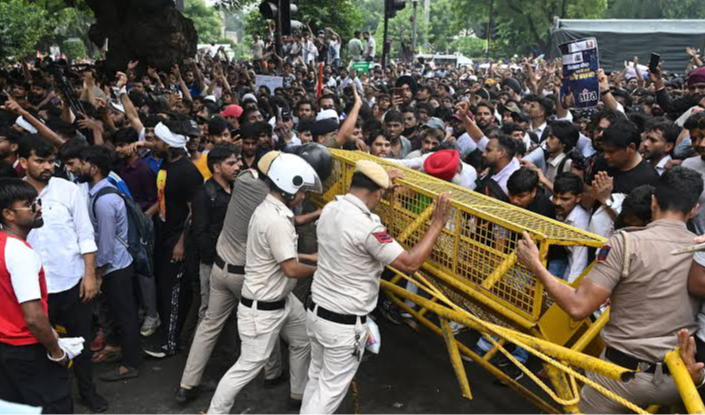
    Large gatherings were reported in several cities, with New Delhi becoming the central venue for demonstrations. Protest sites witnessed students, professionals, activists, and ordinary citizens participating in rallies, public discussions, and peaceful marches.

    Resignation of Education Minister Becomes Defining Moment

    One of the principal demands of the protesters was the resignation of Union Education Minister Dharmendra Pradhan.

    Following several days of demonstrations, Pradhan resigned from his post. While official statements regarding the resignation have not confirmed that it resulted directly from public pressure, many political commentators believe the timing has made it one of the defining moments of the protest movement.

    For supporters of the campaign, the resignation has been viewed as evidence that sustained public mobilisation can influence political developments. Government representatives, however, have largely refrained from publicly connecting the decision with the demonstrations.

    Prime Minister Addresses the Youth

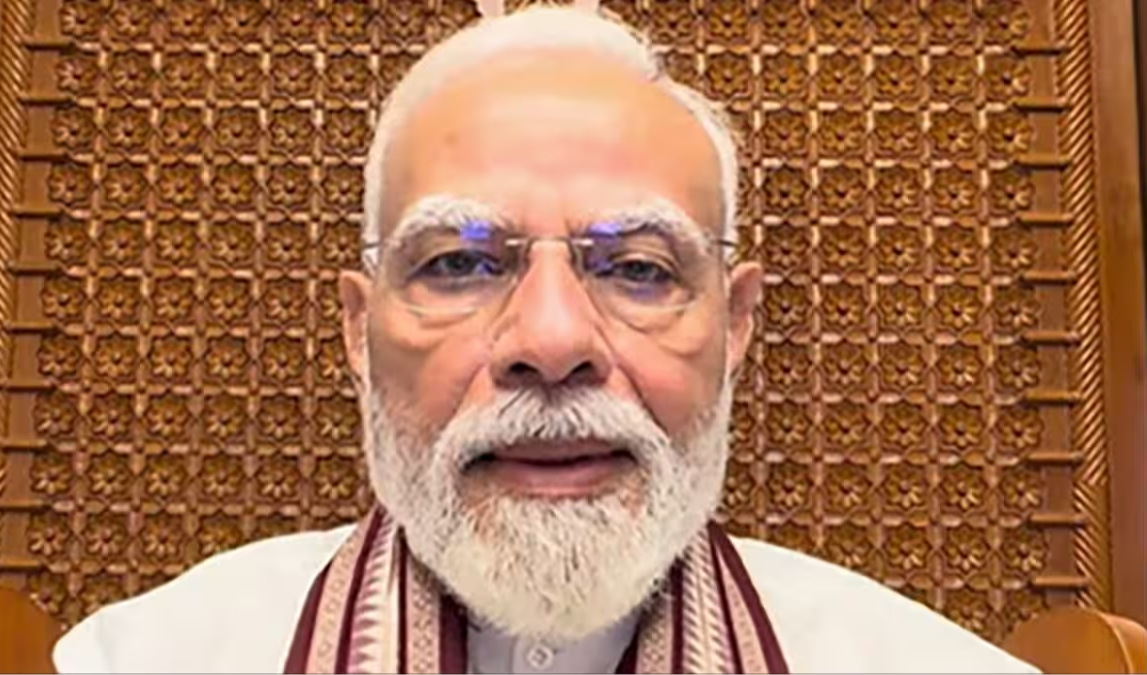
    Before the minister's resignation, Prime Minister Narendra Modi released a message directed toward the country's youth, thanking citizens for their suggestions and reiterating the government's commitment to addressing issues affecting students.

    The address focused on education reforms and the government's proposed measures to strengthen examination systems, including efforts to curb paper leaks through stricter legal provisions.

    However, the Prime Minister did not directly refer to the demand for the Education Minister's resignation during the address, a point that attracted considerable discussion on social media and among political observers.

    Social Media Emerges as the Movement's Strongest Platform

    One of the most striking aspects of the protests has been the extensive use of social media.

    Young participants relied heavily on short videos, memes, digital campaigns, and live updates to communicate their message. Platforms such as Instagram and other social networking services became major channels through which information, protest schedules, and campaign material spread rapidly.

    Political analysts note that the movement demonstrated how digital communication can significantly amplify public participation, particularly among younger generations. Creative online content allowed the campaign to maintain visibility even as traditional political debates continued elsewhere.

    The widespread online engagement also enabled the movement to attract supporters from different regions, making it one of the most digitally connected protest campaigns witnessed in recent years.

    Debate Over Media Coverage

    The protests also generated discussion regarding media coverage.

    Several observers argued that mainstream television channels initially provided limited attention to the demonstrations before expanding their coverage as participation increased. In contrast, social media platforms continued to circulate real-time updates, videos, and eyewitness accounts throughout the protests.

    Media analysts believe this reflects the changing nature of information consumption in India, where digital platforms increasingly complement traditional news outlets in shaping public opinion.

    At the same time, experts have stressed the importance of verifying information from reliable sources, particularly during rapidly evolving public events where unverified claims can spread quickly online.

    Opposition Parties Find New Momentum

    The protests also influenced the broader political environment.

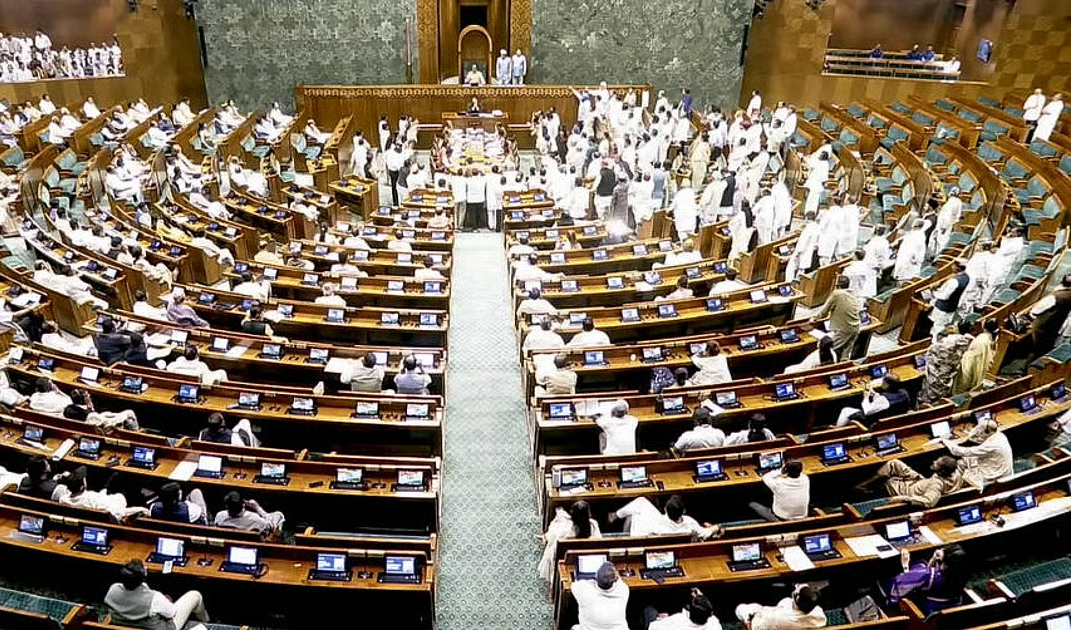
    Opposition parties extended support to the students' demands and organised demonstrations in several locations. Parliamentary debates, public meetings, and political statements increasingly focused on issues raised by the protesters.

    Political experts suggest that the movement has provided opposition parties with renewed opportunities to engage with younger voters, particularly on issues related to education, employment, and governance.

    Whether this renewed momentum translates into long-term electoral gains remains uncertain, but analysts agree that youth-related issues are likely to occupy a more prominent place in political discussions in the coming years.

    Youth Participation Takes Centre Stage

    Perhaps the most significant outcome of the movement has been the increased political engagement among India's younger population.

    Many students participating in the demonstrations stated that their concerns extend beyond examination reforms. Employment opportunities, economic security, educational quality, transparency, and institutional accountability have all become important themes within the broader campaign.

    Several organisers have also encouraged young people to participate more actively in democratic processes, including public policy discussions and electoral politics.

    Political scientists note that increased civic participation among younger citizens could reshape political priorities in future elections.

    Challenges Ahead for All Stakeholders

    Despite achieving one of its primary objectives, movement leaders have indicated that their campaign is far from over.

    According to public statements made by several representatives, the focus will now shift toward ensuring meaningful education reforms and stronger institutional safeguards against examination irregularities.

    The government, meanwhile, faces the challenge of addressing public concerns while maintaining confidence in educational institutions and administrative processes.

    Observers believe constructive dialogue between policymakers, educational institutions, students, and civil society organisations will be essential to finding long-term solutions.

    Looking Towards Future Elections

    The political implications of the protests may become clearer during upcoming state elections and, eventually, the next general election.

    Analysts believe issues such as employment, education, examination reforms, governance, and youth welfare are likely to remain major campaign topics.

    Whether the Cockroach Janta Party evolves into a long-term political force or remains primarily a social movement is still uncertain. However, its ability to mobilise large sections of young citizens has already attracted significant national attention.

    A Significant Political Moment

    The recent protests have demonstrated the growing influence of digitally connected citizens and the increasing role of young voters in shaping India's democratic discourse. While opinions differ regarding the movement's long-term political impact, there is broad agreement among observers that it has introduced new energy into debates surrounding education, governance, and public accountability.


    As policymakers, political parties, and civil society continue to respond to these developments, the coming months will reveal whether the movement leads to lasting institutional reforms or represents a defining moment in India's evolving democratic landscape.

    Click here to Read More
    Previous Article
    Meta Apologises After PM Modi's Facebook Video Briefly Blocked, Government Reviews Incident
    Next Article
    Parliament Adjourned Amid Opposition Protests as Anti-Paper Leak Bill Debate Gets Delayed

    Related National Updates:

    Are you sure? You want to delete this comment..! Remove Cancel

    Comments (0)

      Leave a comment