Yugcharan News / 01-09-2026
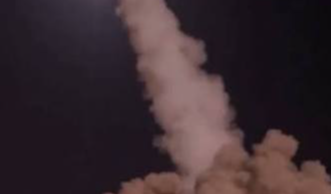
Tensions in the Middle East escalated sharply after the United States carried out its first reported strikes against Iran in a month, targeting sites on Larak Island, while Iran responded by launching missiles towards locations in Jordan where US forces are based. The latest exchange has raised fresh concerns about the possibility of a wider regional confrontation involving American forces and Iran's network of allies and partners.
The developments were reported on August 31, 2026, amid an already fragile security situation across the region. According to the report, the United States carried out the strikes on Larak Island, a strategically important location connected to Iran's activities in the Strait of Hormuz. Iran subsequently responded with missile attacks aimed at bases in Jordan that host US military personnel.
US authorities said the incoming Iranian missiles targeting the bases in Jordan were intercepted or shot down. The incident nevertheless marks a significant escalation because it extends the confrontation beyond Iranian territory and brings another country in the region into the immediate security picture.
The latest developments have also renewed concerns over the safety of US personnel, regional allies and civilian populations as tensions between Washington and Tehran continue to fluctuate.
US Carries Out First Strike in a Month
The reported American military action against Iran represents the first US attack on Iranian territory in approximately one month. The strikes targeted locations on Larak Island, which lies near the Strait of Hormuz, one of the world's most strategically important maritime passages.
The location of the reported strikes is particularly significant because the Strait of Hormuz is a major route for global energy shipments. Any prolonged military confrontation around the waterway could have consequences for international shipping, oil markets and regional trade.
The US decision to conduct another strike against Iran comes after a period in which direct military exchanges had reportedly eased. The resumption of attacks indicates that the underlying tensions between the two countries remain unresolved despite the absence of continuous large-scale strikes.
Details surrounding the exact targets and extent of damage from the US operation were limited in the information available. However, the action was sufficient to prompt an immediate Iranian military response.
The latest confrontation demonstrates how quickly military incidents involving the United States and Iran can expand geographically. What began with an American strike on Iranian territory was followed by an Iranian response directed towards facilities outside Iran.
Iran Responds With Missile Attack
Following the US strikes, Iran launched missiles towards Jordan, targeting areas where American forces are stationed. The move represented a notable development in the ongoing confrontation because Jordan has traditionally sought to maintain security and stability while managing its relationships with the United States and other regional powers.
According to the report, US officials said the missiles were intercepted and shot down before they could hit their intended targets. The interception helped prevent what could have been a more serious incident involving US military personnel and facilities in Jordan.
However, the attack itself has increased pressure on countries across the region. Governments hosting foreign military forces can become potential targets when tensions between major powers escalate.
Jordan's geographical position makes the country particularly important in the regional security landscape. It shares borders with several countries affected by ongoing conflicts and maintains close security cooperation with the United States.
The reported missile attack therefore adds another layer of complexity to an already volatile regional situation.
Growing Risk of Wider Regional Conflict
The latest exchange has raised concerns about whether the confrontation could spread further. Previous tensions between Iran and the United States have frequently involved a broader network of regional actors, military bases and strategic locations.
When attacks and counterattacks extend beyond the immediate territory of the countries directly involved, the possibility of miscalculation increases. A strike causing casualties among foreign troops or civilians could potentially trigger another round of military action.
The involvement of Jordan is particularly noteworthy because the country has generally attempted to avoid being drawn directly into regional wars. The presence of US forces on Jordanian territory, however, means that the country can be affected by disputes between Washington and its adversaries.
The reported interception of the missiles may have prevented immediate casualties, but the incident illustrates the risks faced by countries hosting foreign military installations during periods of heightened tension.
For the United States, protecting its personnel and military facilities remains a major concern. For Iran, meanwhile, military responses are closely linked to its broader strategy of deterring attacks against its territory and interests.
Strait of Hormuz Adds Strategic Importance
Larak Island's location gives the latest US strike additional strategic significance. The island is situated in the vicinity of the Strait of Hormuz, a narrow maritime passage through which a substantial share of global energy shipments travels.
The waterway connects the Persian Gulf with the Gulf of Oman and the Arabian Sea. Because of its importance to international energy transportation, instability in and around the strait can quickly become a global economic concern.
Any disruption to commercial shipping could lead to higher transportation costs, increased insurance premiums and uncertainty in energy markets. Shipping companies operating in the region closely monitor military developments because even limited attacks can alter vessel routes and operating conditions.
The latest military exchange therefore has implications that extend well beyond Iran, the United States and Jordan.
International businesses and governments are likely to remain attentive to developments around the Strait of Hormuz, particularly if military operations continue or expand.
US Military Presence in Jordan Comes Under Focus
The missile attack also places renewed attention on the American military presence in Jordan. The United States maintains security cooperation with Jordan, including military deployments and other forms of defence coordination.
American installations across the Middle East have previously faced security threats during periods of heightened regional conflict. The reported Iranian targeting of bases hosting US forces shows how regional military infrastructure can become vulnerable when tensions intensify.
The fact that the missiles were reportedly intercepted is likely to be viewed as an important defensive success by US officials. However, repeated attacks or attempted attacks could place additional pressure on American forces and their regional partners.
The situation could also create difficult decisions for Jordanian authorities, who must balance their strategic relationship with Washington with the need to protect Jordanian territory and population from the consequences of external conflicts.
Diplomatic Efforts Face New Challenges
The renewed military exchange comes at a time when diplomatic efforts remain essential to preventing a broader confrontation.
Direct communication between the United States and Iran has often been complicated by deep disagreements over security, military activities and regional influence. Military strikes can further reduce the political space available for negotiations, particularly when either side feels compelled to respond to attacks.
The latest escalation therefore presents a difficult challenge for regional and international diplomats. Preventing further attacks may require countries with influence over Washington, Tehran and regional actors to encourage restraint.
Neighbouring states also have a strong interest in preventing the conflict from spreading. A wider confrontation could threaten civilian populations, disrupt commercial activity and place additional pressure on countries already dealing with political and economic challenges.
Regional Security Remains Fragile
The developments involving Iran, the United States and Jordan underline the fragile nature of security conditions across the Middle East.
Military bases, strategic islands, shipping routes and neighbouring countries can all become connected to a confrontation that initially involves only two major powers. As a result, even a limited exchange of missiles or air strikes can create wider diplomatic and security consequences.
The situation is being closely watched by countries across the region, particularly those with economic, military or diplomatic links to either Washington or Tehran.
For Jordan, the immediate priority is likely to remain the protection of its territory and population. For the United States, preventing attacks on its personnel will remain central to its regional military posture. Iran, meanwhile, faces continued pressure to respond to attacks while avoiding a conflict that could expand beyond its control.
The latest incident demonstrates the difficulty of maintaining stability once direct military action resumes.
International Community Watches Closely
The international community is expected to monitor the situation closely as officials assess whether the latest exchange remains an isolated confrontation or develops into a sustained series of attacks.
The reported US strike on Larak Island and Iran's subsequent missile launch towards bases in Jordan represent a significant deterioration in the security environment. While the missiles were reportedly intercepted, the incident highlights the continuing risks faced by military personnel and countries located near the conflict's potential areas of expansion.
The coming days could prove important in determining whether both sides exercise restraint or continue responding militarily.
For now, the latest exchange has once again placed the Middle East under heightened international scrutiny. The combination of military strikes, missile threats and the strategic importance of the Strait of Hormuz means that further escalation could have consequences not only for the region but also for global security, energy supplies and international shipping.
As governments assess the situation, diplomatic efforts to prevent another cycle of retaliation are likely to become increasingly important. The immediate challenge will be to prevent the latest confrontation from developing into a broader conflict involving additional countries and military forces.