Yugcharan News / 08-09-2026
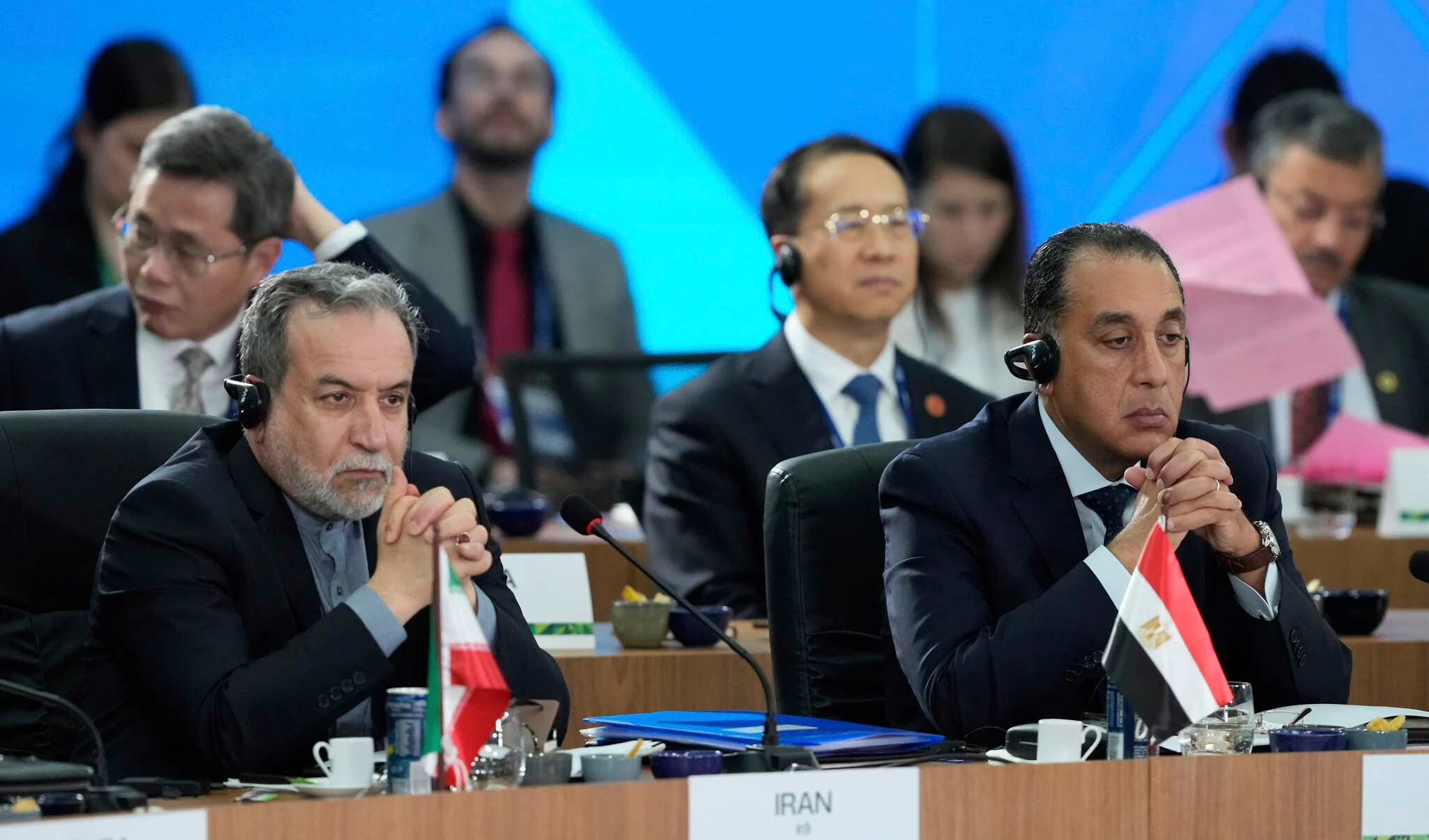
Iran has reiterated the importance it places on its relationship with India, describing bilateral ties as strong and longstanding while signalling its intention to continue discussions with New Delhi on areas of mutual interest during the upcoming BRICS Leaders’ Summit.
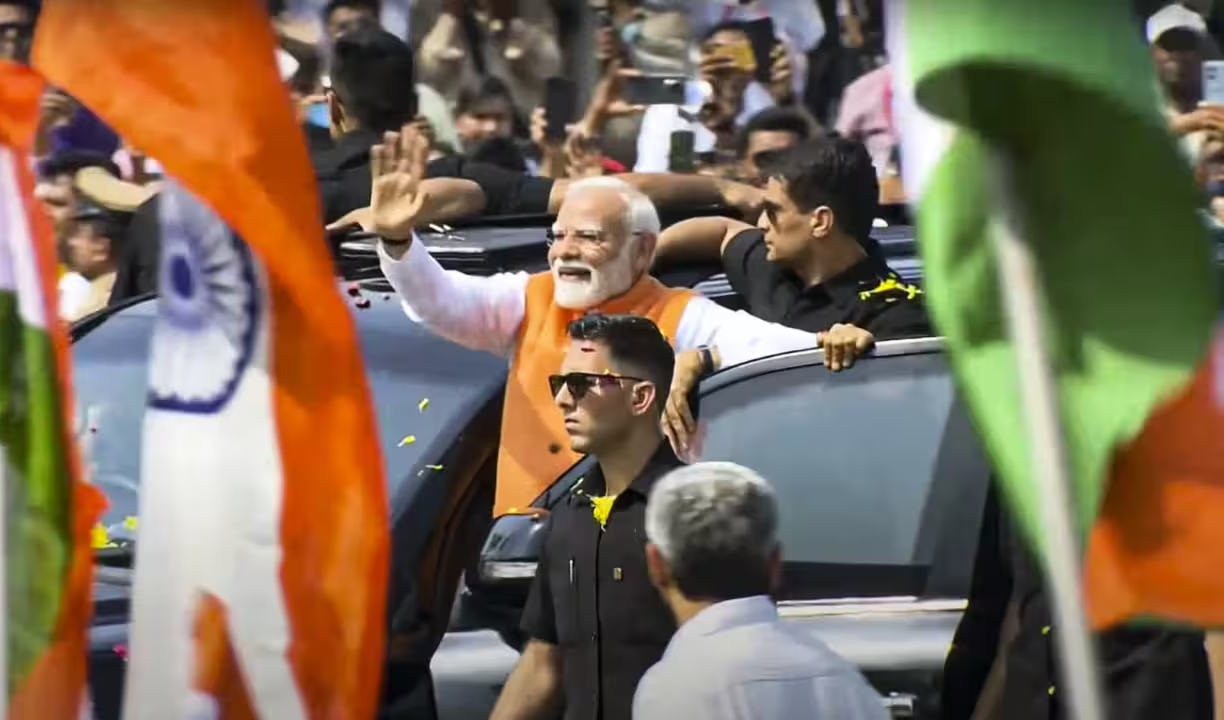
The remarks from Tehran come days after Prime Minister Narendra Modi met Iranian President Masoud Pezeshkian on the sidelines of the Shanghai Cooperation Organisation (SCO) Summit in Bishkek. The meeting has drawn attention because it took place against the backdrop of continuing tensions in West Asia and growing international scrutiny of countries maintaining economic and diplomatic engagement with Iran.
Iranian Foreign Ministry spokesperson Esmail Baghaei said on September 7 that relations between Iran and India remain important to Tehran. He described the relationship as having deep historical and civilisational roots and highlighted cooperation between the two countries in areas including trade and economic affairs.
The comments also come ahead of the 18th BRICS Leaders’ Summit, scheduled to take place in New Delhi from September 11 to 13, with India holding the chairship of the grouping. Tehran is expected to use the multilateral gathering as another opportunity for bilateral consultations with India.
Iran Highlights Longstanding Relationship With India
Speaking during a press briefing, Baghaei said Iran considers its relationship with India to be strong and significant. According to the remarks, Tehran views the two countries as having developed connections over many years across political, economic and cultural spheres.
Iran and India have maintained diplomatic relations for decades, with their engagement shaped by geographical considerations, commercial interests, energy requirements and historical links. While the two countries have different positions on several international issues, both sides have continued to maintain channels of communication.
Baghaei also pointed to India's membership of both the SCO and BRICS, two major multilateral platforms where Iran has an interest in strengthening its engagement. He noted that India remains among the countries with which Iran has constructive relations in several areas, particularly trade and economic cooperation.
The Iranian statement indicates that Tehran sees India as an important partner at a time when Iran's international economic environment remains complicated by sanctions and geopolitical tensions.
For New Delhi, maintaining a relationship with Tehran has also been strategically relevant. Iran provides India with access to a key geographical corridor connecting the Indian subcontinent with Afghanistan and Central Asia, particularly through the Chabahar Port project.
Chabahar Port Remains A Key Area Of Cooperation
One of the most important subjects expected to remain on the India-Iran agenda is Chabahar Port.
Located on Iran's southeastern coast along the Gulf of Oman, Chabahar has strategic importance for India because it provides an alternative maritime route for reaching Afghanistan and Central Asian markets without relying entirely on routes passing through Pakistan.
India has invested in the development and operation of facilities at the port as part of its wider connectivity strategy. The project has been viewed as an important element of India's efforts to strengthen commercial links with Central Asia and expand regional connectivity.
Baghaei specifically mentioned Chabahar during his remarks, saying that the port remains important to both countries. He indicated that discussions surrounding the project could continue during the BRICS Summit.
The port has gained additional significance because of the broader geopolitical competition surrounding transport corridors, trade routes and access to markets in Central Asia. India has consistently sought to develop alternative connectivity networks that can support trade and strategic access.
At the same time, cooperation involving Iran must take into account the sanctions environment surrounding the country. This has made some aspects of India-Iran economic engagement more complicated than in previous years.
Modi-Pezeshkian Meeting In Bishkek
Prime Minister Narendra Modi and President Masoud Pezeshkian met on August 31 in Bishkek on the sidelines of the SCO Summit.
The meeting was particularly significant as it marked their first direct interaction since the outbreak of the latest major conflict in West Asia earlier this year, according to the information provided in the report.
India has repeatedly called for dialogue and diplomacy to resolve conflicts and has sought to maintain communication with countries across the region. New Delhi has also emphasised the need to protect civilian lives and ensure the safety of commercial and energy routes during periods of heightened regional instability.
The Modi-Pezeshkian meeting therefore carried significance beyond the immediate bilateral relationship. It also reflected India's effort to maintain diplomatic engagement with multiple sides while protecting its economic and strategic interests.
Iran, meanwhile, has continued to look toward countries outside the Western bloc for diplomatic and economic partnerships. Its participation in international groupings such as BRICS and the SCO has provided Tehran with additional platforms for engagement with major emerging economies.
BRICS Summit Could Provide Fresh Opportunity
The upcoming BRICS Summit in New Delhi is expected to provide an important setting for India and Iran to continue discussions.
Baghaei said Tehran would make use of the summit to hold further consultations with India on subjects of mutual interest. While he did not provide a detailed list of possible agreements, his comments indicate that bilateral discussions are likely to form part of Iran's engagement during the gathering.
BRICS has become an increasingly important platform for emerging economies seeking greater cooperation in areas such as trade, investment, development, finance and international coordination.
Iran's participation in the grouping has increased the importance of the forum for Tehran, particularly as it seeks to deepen relations with major economies outside the Western alliance system.
For India, the summit provides an opportunity to discuss bilateral and multilateral economic priorities while continuing its broader diplomatic engagement.
The discussions could potentially cover connectivity, trade, investment, energy and regional developments, although the precise agenda will depend on discussions between the two governments.
US Raises Concerns Over Iran Engagement
Iran's positive comments about India come at a time when Washington is closely watching New Delhi's engagement with Tehran.
US Secretary of State Marco Rubio recently commented on Prime Minister Modi's meeting with President Pezeshkian. Rubio indicated that he did not believe the meeting was necessarily aimed at creating a new India-Iran trade arrangement, while also warning countries against helping Tehran circumvent US sanctions.
The United States has maintained extensive sanctions against Iran, including measures targeting sectors that generate revenue for the Iranian government. Washington has repeatedly warned countries and companies that certain forms of business with sanctioned Iranian entities could expose them to penalties.
Rubio said countries were free to pursue their own foreign policies but cautioned against creating mechanisms that could enable Iran to bypass sanctions. He also indicated that countries facilitating sanctions evasion could themselves face US sanctions.
These concerns create an additional layer of complexity for India as it seeks to preserve its relationship with Iran while maintaining its extensive strategic and economic partnership with the United States.
New Delhi has historically attempted to balance its relationships with major global powers according to its national interests. India's engagement with Iran is therefore likely to remain focused on areas where cooperation can continue within applicable international and domestic frameworks.
India Balances Strategic And Economic Interests
India's relationship with Iran is shaped by several overlapping interests. Connectivity through Chabahar, access to Central Asian markets, regional stability and economic cooperation all contribute to the importance of the partnership.
At the same time, India has deepening strategic and economic ties with the United States and other Western countries. This means that its dealings with Tehran are being conducted in an increasingly complex international environment.
The situation has become particularly sensitive because of the broader geopolitical tensions in West Asia. Any escalation in the region could affect energy supplies, shipping routes, trade flows and the movement of Indian citizens and businesses.
India therefore has a strong interest in maintaining diplomatic communication with countries in the region. Engagement with Iran forms one part of New Delhi's wider West Asia policy, which also involves close relationships with Gulf countries, Israel and other regional partners.
BRICS May Strengthen Bilateral Dialogue
Iran's latest statement suggests that the Modi-Pezeshkian meeting was not viewed by Tehran as an isolated diplomatic interaction.
Baghaei's comments indicate that Iran wants to continue discussions with India, with the BRICS Summit offering an immediate opportunity to do so. The emphasis on Chabahar and economic cooperation also suggests that Tehran is interested in keeping practical areas of bilateral engagement active.
For India, the summit could similarly provide a platform to assess the future direction of its engagement with Iran while considering the broader international environment.
The coming days are therefore expected to attract attention to any discussions between Indian and Iranian officials in New Delhi. Whether those consultations result in new agreements or simply help maintain existing channels of cooperation, the interaction is likely to underline the continuing importance of India-Iran relations.
As both countries navigate a rapidly changing geopolitical landscape, their ability to sustain economic and diplomatic cooperation while addressing external pressures will remain an important factor in their bilateral relationship.