Yugcharan News / 27-10-2026
Congress leader and Leader of the Opposition in the Lok Sabha Rahul Gandhi has rejected an appeal from Delhi’s business community to postpone the Opposition INDIA bloc’s November 1 protest at Ramlila Maidan, saying the demonstration could be stopped within 30 seconds if Prime Minister Narendra Modi removed Chief Election Commissioner Gyanesh Kumar from his post. Gandhi’s response comes amid concerns from traders that a large political gathering in the national capital during the festive shopping season could disrupt business activity in some of Delhi’s busiest commercial markets.
The proposed rally is part of the Opposition alliance’s continuing campaign over alleged irregularities in the electoral process, including its objections to the Special Intensive Revision (SIR) exercise and the functioning of the Election Commission of India. The Opposition has been demanding Kumar’s resignation, accusing the poll body of taking decisions without adequate consultation. These allegations have been raised by the Opposition and remain the subject of political dispute.
In a post on social media platform X on October 26, Gandhi directly addressed Delhi’s traders and said he understood their concerns but maintained that the protest was connected to a broader question of electoral accountability.
“Tell Modi to sack accused no. 4, Gyanesh Kumar, and the protests will stop in 30 seconds,” Gandhi said in his message.
He also argued that alleged electoral wrongdoing could affect citizens beyond voting, including their businesses, savings and the future of their children. Referring to restrictions imposed during previous political demonstrations, Gandhi claimed that the government had shut metro services, sealed roads and effectively locked down parts of the capital. His remarks formed part of his response to the traders’ request for a change in the rally schedule.
Traders Seek Postponement Amid Festive Shopping Season
The Chamber of Trade and Industry (CTI), which represents sections of Delhi’s business community, had written to Gandhi requesting that the INDIA bloc postpone its November 1 protest until after November 10. The organisation cited the timing of the rally, the expected disruption to traffic and the importance of the festival period for traders across the national capital.
In its communication, CTI chairman Brijesh Goyal warned that a large political gathering at Ramlila Maidan immediately before the major festivals could affect commercial activity worth approximately ₹10,000 crore across Delhi. The estimate was presented by the traders’ organisation as part of its argument for rescheduling the demonstration.
Ramlila Maidan is located close to several major wholesale and retail markets in Old Delhi. These commercial areas typically experience a rise in customer footfall in the days leading up to the festival season, when consumers purchase clothing, jewellery, electronics, household products and other goods.
The traders’ concern is that a mass gathering, together with possible traffic restrictions, diversions and security arrangements, could make it more difficult for customers and suppliers to reach market areas. Such disruptions could affect not only large businesses but also smaller shopkeepers, wholesalers, transport operators and workers whose earnings depend on festive sales.
Goyal’s appeal highlighted the potential economic consequences of holding the rally during this commercially important period. The CTI asked Gandhi to consider the practical difficulties traders could face and to move the protest to a date after November 10, when the immediate festival rush would have passed.
Gandhi, however, did not agree to the proposed postponement in his public response. Instead, he reiterated the Opposition’s demand concerning the Chief Election Commissioner and suggested that the protest would stop if the Prime Minister acted on that demand.
Dhanteras, Diwali and Bhai Dooj Add to Market Concerns
The timing of the planned demonstration is particularly significant because several major festivals fall within the same period. According to the dates cited in the report, Dhanteras will be observed on November 6, Diwali on November 8 and Bhai Dooj on November 10.
Dhanteras is an important shopping occasion, particularly for customers purchasing gold, silver, jewellery, utensils and other goods traditionally associated with the festival. Retailers in these sectors often depend on a concentrated period of consumer spending to generate a substantial share of their seasonal business.
Diwali also brings increased demand across a wide range of markets, including clothing, decorative items, sweets, gifts, electronics and household products. Bhai Dooj, which follows Diwali, adds another occasion for family purchases and gifting.
In his letter, Goyal said Delhi’s markets generate turnover of approximately ₹25,000 crore around Dhanteras alone. The figure was cited by the CTI chairman to underline the financial importance of maintaining access to commercial areas during the festive period.
Traders argue that even temporary restrictions on road access or changes to transport arrangements can affect customer movement, particularly in markets that depend on visitors travelling from different parts of Delhi and neighbouring areas. Wholesale businesses may also face logistical challenges if deliveries and movement of goods are disrupted.
The request to defer the rally therefore reflects the tension between the Opposition’s plans for political mobilisation and the business community’s demand to protect commercial activity during a peak sales period. While the CTI has emphasised the economic implications, Gandhi’s response indicates that the Congress leadership is prioritising the Opposition’s campaign over electoral issues.
The available report does not establish whether the rally will result in specific market closures or traffic restrictions. Such arrangements would depend on the relevant authorities and security planning closer to the event.
Opposition Campaign Focuses on Chief Election Commissioner
The November 1 rally is part of a broader campaign by the INDIA bloc against the Election Commission’s handling of electoral matters. The alliance has repeatedly raised concerns over the Special Intensive Revision exercise and what its leaders describe as a lack of transparency in the decision-making process.
The Opposition has also alleged that some decisions were taken unilaterally despite objections from the two other Election Commissioners. These claims form part of the political dispute surrounding the poll body, with the Opposition using the issue to demand accountability from its leadership.
The SIR exercise has become a major point of contention between Opposition parties and the Election Commission. The revision process concerns electoral rolls, and its implementation has prompted political debate over voter inclusion, verification procedures and the functioning of electoral institutions.
The Opposition has characterised its campaign as a fight against alleged “vote chori”, a phrase used by its leaders to describe what they claim are irregularities affecting the electoral process. The BJP and the Election Commission’s position on the wider dispute is not detailed in the supplied report, and the allegations should not be treated as established findings.
The planned rally is intended to sustain pressure on the government and the Election Commission. Gandhi’s latest message suggests that the Congress does not intend to abandon the demonstration merely because traders have raised concerns about its timing.
By directing traders to ask the Prime Minister to remove Kumar, Gandhi has connected the business community’s request with the Opposition’s central political demand. His argument is that the protest would no longer be necessary if the government took the action sought by the Opposition.
October 12 March and INDIA Bloc’s Continued Campaign
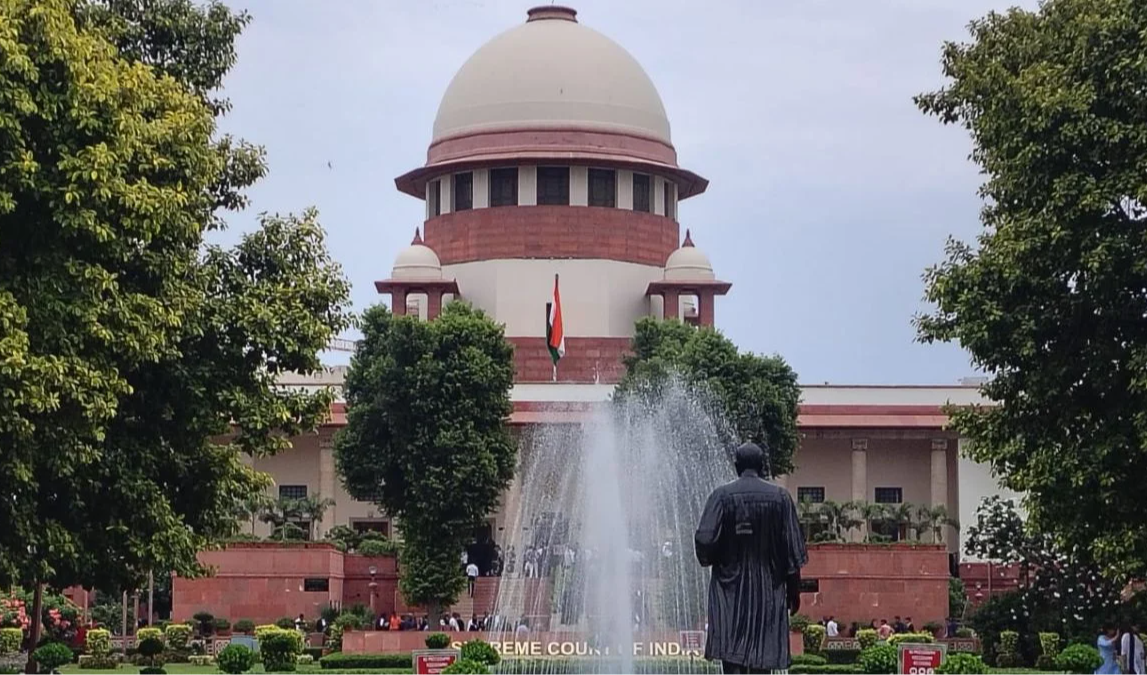
The Opposition’s campaign has included demonstrations and efforts to challenge the SIR exercise through legal channels. On October 12, Opposition leaders and activists marched along heavily barricaded arterial roads in Delhi to submit a petition in the Supreme Court challenging the revision exercise.
The march drew attention to the dispute over electoral procedures and the Opposition’s demand for intervention. The following day, Gandhi hosted leaders of the INDIA bloc at his residence in Delhi for a meeting over tea. After that meeting, the alliance announced that it would continue its campaign against alleged vote theft.
The November 1 gathering at Ramlila Maidan is another planned step in that campaign. The Opposition’s decision to proceed with the rally despite the CTI’s request highlights the competing priorities involved: the alliance wants to maintain political pressure on electoral issues, while traders are seeking to avoid disruptions during a period of heightened commercial activity.
The dispute also places the authorities in the position of balancing the right to political assembly with public safety, traffic management and access to business districts. Any arrangements for the rally will need to account for the location’s proximity to busy commercial areas and the expected movement of shoppers during the festive season.
Political Protest and Commercial Activity in Focus
Gandhi’s remarks have brought the proposed rally’s timing into sharper focus. The Congress leader has framed the issue as one of electoral accountability and has urged traders to direct their concerns to the Prime Minister rather than seek a postponement from the Opposition.
The CTI, meanwhile, has argued that the rally could create difficulties for businesses at a time when many retailers depend on festive demand. Its estimate of ₹10,000 crore in potentially affected commercial activity and its reference to the much larger turnover associated with Dhanteras reflect the scale of the concern expressed by the organisation.
The two positions illustrate the challenge of organising large political demonstrations in densely populated commercial districts during important shopping periods. For the Opposition, the rally is part of a continuing campaign against what it alleges are irregularities in the electoral system. For traders, the immediate concern is maintaining customer access and protecting sales during the run-up to Dhanteras, Diwali and Bhai Dooj.
As of the information reported on October 26, Gandhi had publicly rejected the request to postpone the November 1 rally. His statement made the removal of Chief Election Commissioner Gyanesh Kumar the condition he believes would end the protest. The INDIA bloc’s planned demonstration therefore remains a focal point in the continuing political dispute, while Delhi’s business community continues to warn of the possible consequences for festive-season trade.